How to Get Bigger Legs: A Plan for Stubborn Quads and Hamstrings
How to get bigger legs when squats stopped working: why legs lag, what squats miss, how deep to go, and a two-day leg plan with sets, reps and progression.
- Published
- Reading time
- 6 min
- By
- LiftDecode
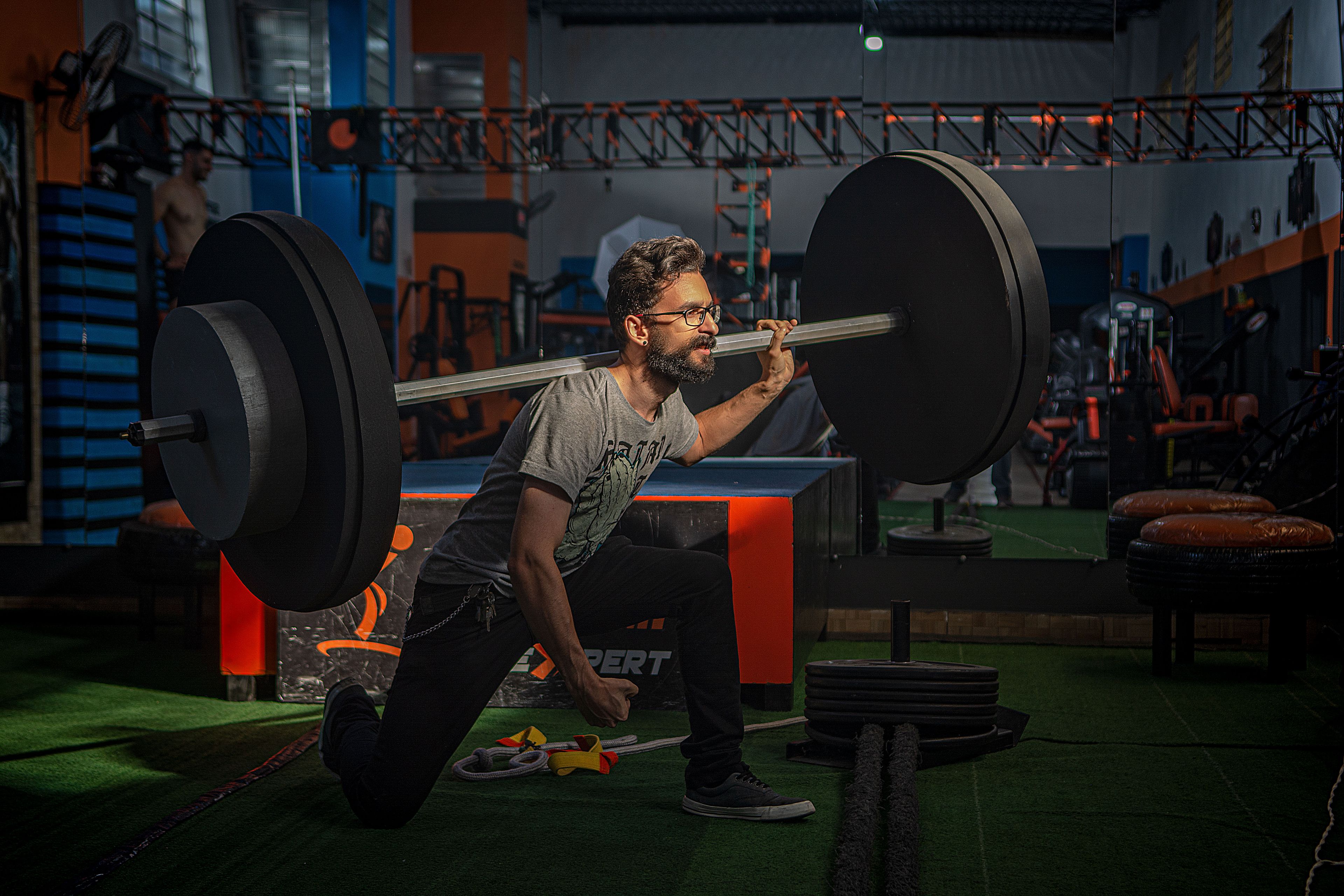
To get bigger legs, squat deep and hard, but don't stop at squats. In one MRI study, ten weeks of squats grew most of the quads, the glutes and the adductors, while the hamstrings and the rectus femoris didn't grow. Add seated leg curls and leg extensions, train legs twice a week, and push sets close to failure.
Why aren't my legs growing?
For a lifter who already squats, the usual causes are a squat-only leg day, too few hard sets, shallow squats, and sets stopped well before failure. Genetics and height come later; first fix the earliest “yes” in the table and hold that change for 8–12 weeks.
| Rank | Cause | Self-check | Fix |
|---|---|---|---|
| 1 | Squat-only leg day | No leg curl or leg extension in your week? | Add seated leg curl + leg extension |
| 2 | Too small a dose | Legs once a week, under ~10 hard quad sets? | Two leg days, 10–12 quad and ~9 hamstring sets |
| 3 | Shallow squats | Hips stop well above knee level? | Squat to at least parallel, or leg press/hack squat to depth |
| 4 | Sets end early | Last set of squats or leg press could go 4+ more reps? | End sets 0–2 reps from failure |
| 5 | Whole body not growing | Bodyweight flat for months, or heavy cardio load? | Small surplus; manage cardio |
Start with the exercise gap because it is common and easy to correct, then address dose and frequency. Depth and effort matter too, but a growing body supports all of them; for broader ideas, see how to gain muscle when it's stopped coming easy.
Are squats enough to grow your legs?
No. In a 10-week MRI study of young men, full and half squats grew the knee extensors about 5%, but the rectus femoris—the quad muscle that also crosses the hip—and the hamstrings did not change. Squats build the quads, glutes and adductors, but leave two major thigh muscles largely untrained (Kubo, Ikebukuro & Yata, 2019).
- The rectus femoris likely stays relatively short at the bottom of a squat because it crosses both hip and knee. The hamstrings likely change length very little during a squat.
- That gap helps explain why your legs can look flat from the side even when you squat heavy.
- Keep a squat or another deep squat pattern as your base, then add targeted work for the muscles it misses.
How do you grow the hamstrings and the front of the thigh?
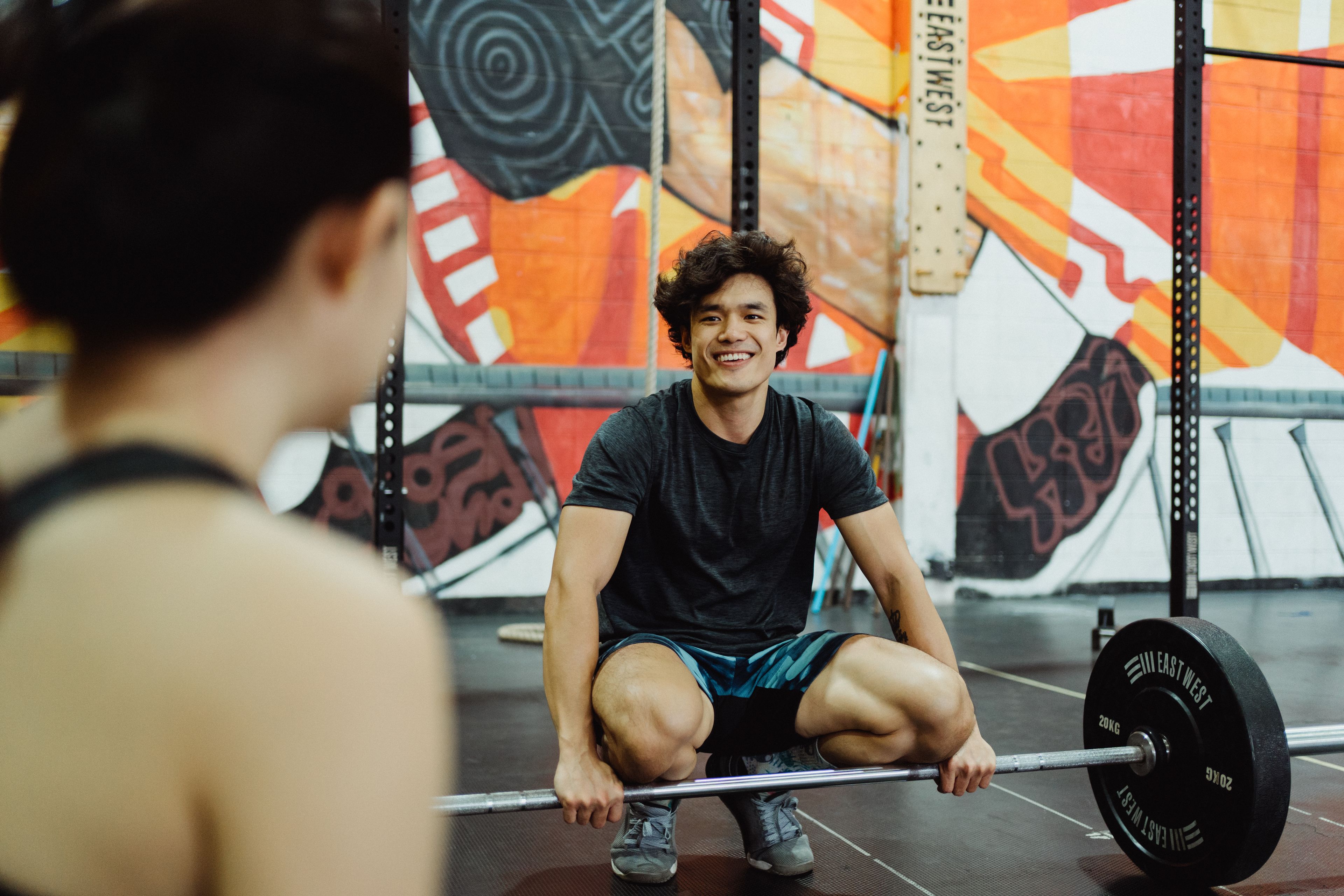
Train hamstrings with a seated leg curl and a hip hinge such as the Romanian deadlift. Add leg extensions for the front of the thigh, including controlled work with the knee bent.
- In 20 healthy adults, seated curls grew the hamstrings 14% versus 9% for lying curls over 12 weeks; growth was greater in three of the four hamstring muscles (Maeo et al., 2021). Sitting stretches the hamstrings at the hip.
- Leg extensions train the rectus femoris that squats miss. In untrained women, the bent-knee part of the range produced greater growth in some quadriceps regions than the final part (Pedrosa et al., 2022).
- Romanian deadlifts load the hamstrings through the hip; use how to do Romanian deadlifts right to check your setup.
How deep should you squat for bigger legs?
Squat as deep as you can with good form, at least to parallel. Full and half squats grew the quads similarly, but full squats grew the glutes and adductors about two to three times more and built more full-squat strength (Kubo et al., 2019).
- In that study, adductors grew 6.2% with full squats versus 2.7% with half squats; glutes grew 6.7% versus 2.2%.
- Full-squat strength increased 31.8% versus 11.3% with half squats. These results describe the study participants, not a guaranteed result for every trained lifter.
- Don't force depth that causes your lower back to round or your knees to hurt. A leg press or hack squat can let you reach depth comfortably; see squat form: the mistakes that stall your squat.
What does a weekly leg plan look like?
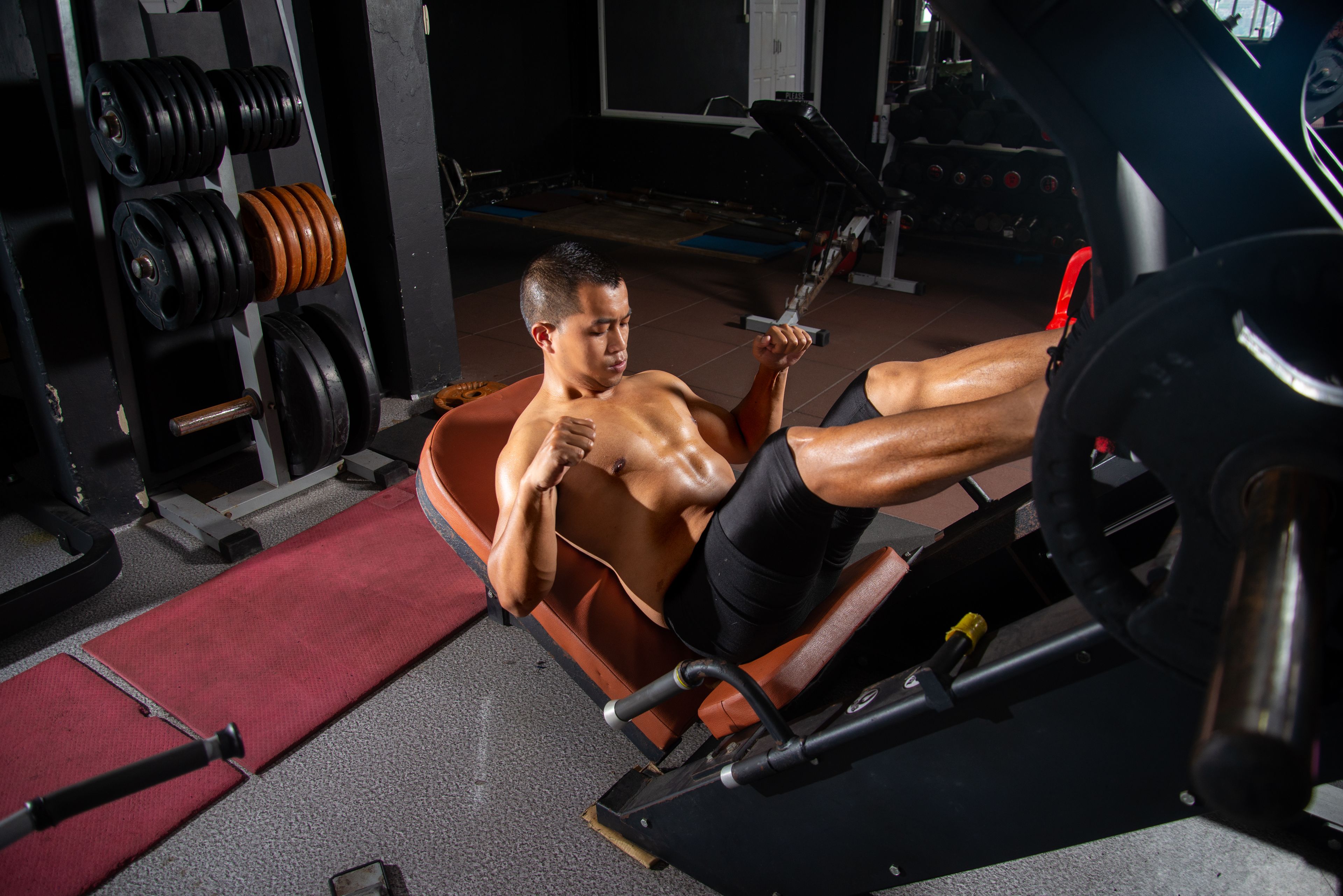
Train legs twice a week with a deep squat or press, hamstring work and an isolation exercise. This plan gives roughly 10–12 hard quad sets and 9 hamstring sets; finish sets 0–2 reps from failure, and add reps before load.
Day A
- Back squat, at least parallel: 3–4 × 5–8
- Romanian deadlift: 3 × 8–10
- Seated leg curl: 3 × 10–12
Day B
- Deep leg press or hack squat: 3 × 8–12
- Leg extension, pause at the bottom: 3 × 10–15
- Seated leg curl: 3 × 10–12
- Optional Bulgarian split squat: 2 × 8–12 per leg
When all sets reach the top of the rep range at the target effort, add 5–10 lb (2.5–5 kg) to squats and presses, or the smallest machine increment. Weekly set volume is linked with more growth—about 0.37% per additional set in a meta-analysis (Schoenfeld, Ogborn & Krieger, 2017)—and hypertrophy increases as sets approach failure (Robinson et al., 2024). If you train calves, add how to grow calves.
What if your legs still won't grow?
If you've trained this way for three months without a change, look at the whole body: bodyweight flat for months, short sleep, or lots of running and sport can limit recovery. For novice and intermediate lifters, a slow gain of about 0.25–0.5% of bodyweight per week is a useful target (Iraki et al., 2019).
- Compare your 7-day average bodyweight with eight weeks ago; aim for that slow weekly rise.
- Check whether you're sleeping at least 7 hours and how much cardio or sport you're doing. See whether cardio really kills gains.
- If knee or back pain limits depth or load, talk with a physiotherapist or doctor instead of training through it.
When legs won't grow despite good training, the bottleneck is often food, sleep, cardio, or a program that never gets heavier. The LiftDecode diagnosis asks quick, one-tap questions about your training, eating and recovery, ranks what's holding you back, and identifies which suspects you can ignore. If several factors may be involved, find the bottleneck behind your legs before you change anything else.
FAQ
How can I increase my leg size?
Train legs twice a week with a deep squat or leg press, a seated leg curl, a hip hinge and a leg extension. Aim for about 10–12 hard quad sets and 9 hamstring sets weekly, close to failure; add reps, then load, and let bodyweight rise slowly.
Can skinny legs get bigger?
Yes. Leg muscles respond to training like any other; even ten weeks of squats alone grew the knee extensors about 5% in young men (Kubo et al., 2019). Thin legs often reflect a plan missing hamstring or rectus femoris work, too few hard sets, or bodyweight that isn't increasing.
Will 100 squats a day make my legs bigger?
Probably not once you're past the beginner stage. Light loads build muscle about as well as heavy ones only when sets are taken close to failure, according to a review of 21 studies (Schoenfeld et al., 2017). A hundred easy bodyweight squats rarely get there; fewer, harder, progressively loaded sets are a better plan.
Why is it so hard to get bigger legs?
Leg training is often incomplete and too easy. Squats don't grow the hamstrings or rectus femoris in the cited MRI study (Kubo et al., 2019), and many lifters train legs once a week or stop hard sets early. Fix those issues before blaming genetics.
Written and maintained by LiftDecode. Training and nutrition education for healthy adults, not medical advice — if you have a health condition or an injury, talk to a professional who can examine you.