How to Grow Calves When Nothing Has Worked
How to grow calves when nothing has worked: why calves lag, why the bottom of the calf raise matters most, and a weekly plan with sets, reps and progression.
- Published
- Reading time
- 6 min
- By
- LiftDecode

To grow calves, train them like a muscle you care about: use straight-knee calf raises through a full stretch, pause at the bottom, and take sets close to failure two or three times a week. Most calves stall on bounced, half-range reps at the end of leg day. They also grow slower, so judge your progress over months.
Why are my calves not growing?
If you already train calves, the usual causes are bouncing out of the bottom, doing a few rushed sets at the end of leg day, relying mostly on seated raises, and using easy sets. Genetics come last; start by fixing the first “yes” in this table for 8–12 weeks.
| Rank | Cause | Self-check | Fix |
|---|---|---|---|
| 1 | Bouncing, short-range reps | Do you pause at the bottom? Do your heels drop below the step? | Use a full stretch and pause 1–2 seconds at the bottom. |
| 2 | Token dose, always last | Fewer than about 6 hard sets a week, rushed at the end? | Do 8–12 sets over 2–3 days; sometimes train calves first. |
| 3 | Mostly seated raises | Are your knees bent for most calf work? | Make straight-knee raises the core of your plan. |
| 4 | Easy sets, no progression | Same weight and reps for two months or more? | Take sets near failure; add reps, then load. |
| 5 | Unrealistic timeline | Judging progress after 4–6 weeks? | Measure with a tape and judge after 12 weeks. |
| 6 | Whole body not growing | Has your bodyweight been flat for months? | Address food intake first; see how to gain muscle when it’s stopped coming easy. |
Range and position are the cheapest fixes, so check those before adding more work or blaming genetics. If calf raises cause Achilles or foot pain, reduce the load and range; if pain persists, see a physiotherapist or doctor.
Are calves really harder to grow?
Yes, somewhat: in one lab’s 12-week studies, calf muscles grew about 2–6%, while hamstrings and triceps grew 9–20% on similar programs. Calves respond, but more slowly, so give a plan months before judging it. These numbers describe study participants and programs; they aren’t a promise of the same growth for every lifter.
- Researchers describe the triceps surae—the gastrocnemius and soleus together—as relatively unresponsive to resistance training (Kinoshita et al., 2023). The gastrocnemius is the visible “diamond” of the calf; the flatter soleus lies underneath.
- Fibre type and the idea that walking all day explains poor growth are plausible, but not well tested. Don’t let either idea stop you from training calves properly.
Why does the bottom of the calf raise matter most?
Calves grow best when loaded while stretched. In an 8-week study of untrained people, calf raises performed only in the stretched half grew the inner gastrocnemius about 15%—more than twice as much as full-range reps and over four times as much as top-half reps (Kassiano et al., 2023). That study used a leg-press calf raise three times a week, so treat its results as a useful comparison, not a guarantee.
- Bouncing uses the Achilles tendon’s stretch to spring you out of the bottom. Pause for 1–2 seconds in the stretch instead.
- Use a full range on every rep. When you can’t complete another full rep, finish with a few bottom-half reps.
- That stretched position is where you want to create mechanical tension, rather than rushing through the easy top.
Standing or seated? Toes in or out?
Do mostly standing calf work with straight knees. Bending the knee slackens the gastrocnemius, the visible “diamond,” so seated raises barely grew it in a 12-week study; the flatter soleus underneath grew about equally either way (Kinoshita et al., 2023). The study tested untrained adults; its specific percentages may not match what a trained lifter sees.
- In untrained adults, standing raises grew the outer gastrocnemius 12.4% and inner head 9.2%; seated raises grew them 1.7% and 0.6%. Soleus growth was similar, about 2–3%.
- Keep a seated raise if you want extra soleus work, but build around standing, leg-press, Smith-machine, or single-leg raises on a step.
- Toes out favored the inner head; toes in favored the outer head in young men studied for nine weeks (Nunes et al., 2020). Use foot angle to address a visible imbalance if you want; a neutral stance is fine.
What does a weekly calf plan look like?
Train calves two or three times a week for about 8–12 hard sets total, mostly straight-knee raises for 10–20 reps with a 1–2 second pause in the stretch. Sometimes train them first instead of always leaving them to the end; add reps before load. A hard set should bring you close enough to failure that another full rep with the same range and pause would be difficult.
- Day A: Standing or leg-press calf raise, 4 × 10–15; pause two seconds at the bottom. Finish the last set with 5–10 bottom-half reps.
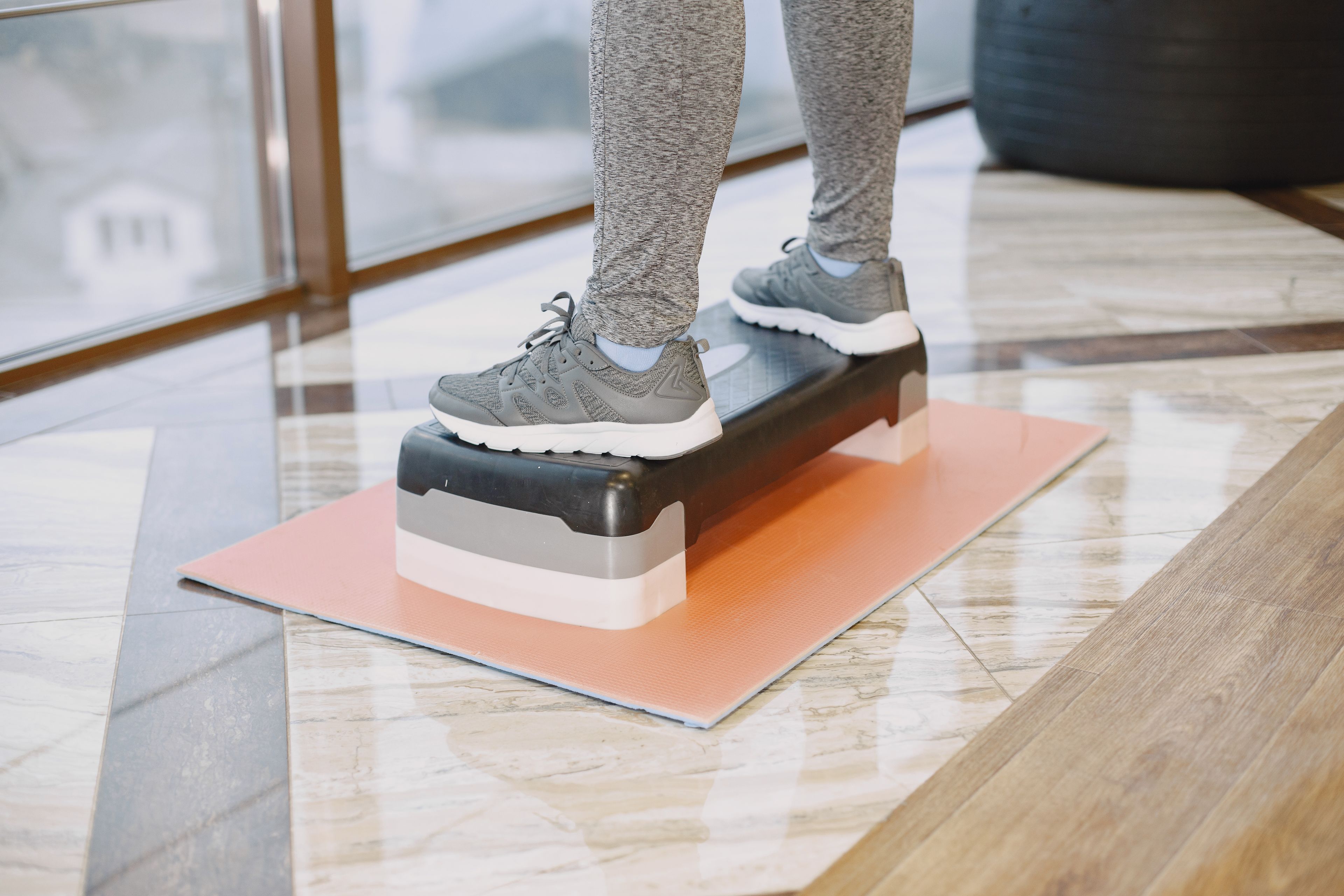
- Day B: Single-leg calf raise on a step with a dumbbell, 3 × 12–20, pausing at the bottom. Optionally add seated raises, 2 × 15–20, for the soleus.
- Day C (optional): Repeat Day A, or put calves first in a session.
- When every set reaches the top of its rep range with full pauses, add the smallest load. Never shorten the range to lift more. See how many sets per muscle group per week: each extra weekly set was associated with about 0.37% more growth (Schoenfeld, Ogborn & Krieger, 2017), and sets closer to failure tend to produce more growth (Robinson et al., 2024). Measure relaxed calf girth monthly at the same spot and assess the plan after 12 weeks.
What if your calves still won’t grow?
If you’ve trained this way for three months without change, check the whole body: flat bodyweight, stalled main lifts, or short sleep can limit every muscle, and slow-growing calves may show it first.
- Compare your seven-day average bodyweight with eight weeks ago, check your average sleep, and ask whether your squats and leg presses are progressing.
- If those are stalled, look at how to get bigger legs and why you’re not gaining muscle anywhere.
Stubborn calves can be the most visible sign of a whole-body bottleneck. The LiftDecode diagnosis asks quick, one-tap questions about your training, eating, and recovery, ranks what’s limiting you, and identifies which suspects aren’t your problem. If more than one cause seems possible, see what’s holding your whole physique back.
FAQ
Why are calves hard to grow?
Partly biology: in 12-week studies, calves grew about 2–6%, versus 9–20% for hamstrings and triceps (Kinoshita et al., 2023). Often, training is the issue: bounced, short reps skip the stretched bottom position, while seated raises barely train the gastrocnemius.
How long does it take to grow your calves?
Give a proper calf plan at least 12 weeks before judging it. Calves respond more slowly than most muscles, so expect small changes measured in millimeters of girth per month, not visible jumps in a few weeks. Measure relaxed calf girth at the same spot each month.
How do I fix skinny calves?
Train calves two or three times a week with straight-knee raises, a full stretch, and a 1–2 second pause at the bottom. Do 8–12 hard sets a week, adding reps before load, and make sure your bodyweight is slowly rising; calves won’t outgrow a body that isn’t growing.
Are calves the hardest muscle to grow?
They’re among the slowest responders studied. One lab measured roughly 2–6% calf growth in 12 weeks against 9–20% for other muscles on similar programs (Kinoshita et al., 2023). Slow isn’t impossible: the stretched half of the calf raise grew the gastrocnemius about 15% in eight weeks.
Written and maintained by LiftDecode. Training and nutrition education for healthy adults, not medical advice — if you have a health condition or an injury, talk to a professional who can examine you.