Dirty Bulk: Why It Feels Like Progress (and Mostly Isn't)
A dirty bulk means eating anything and everything to gain weight fast. Studies show bigger surpluses mostly add fat, not muscle. What to do instead.
- Published
- Reading time
- 7 min
- By
- LiftDecode
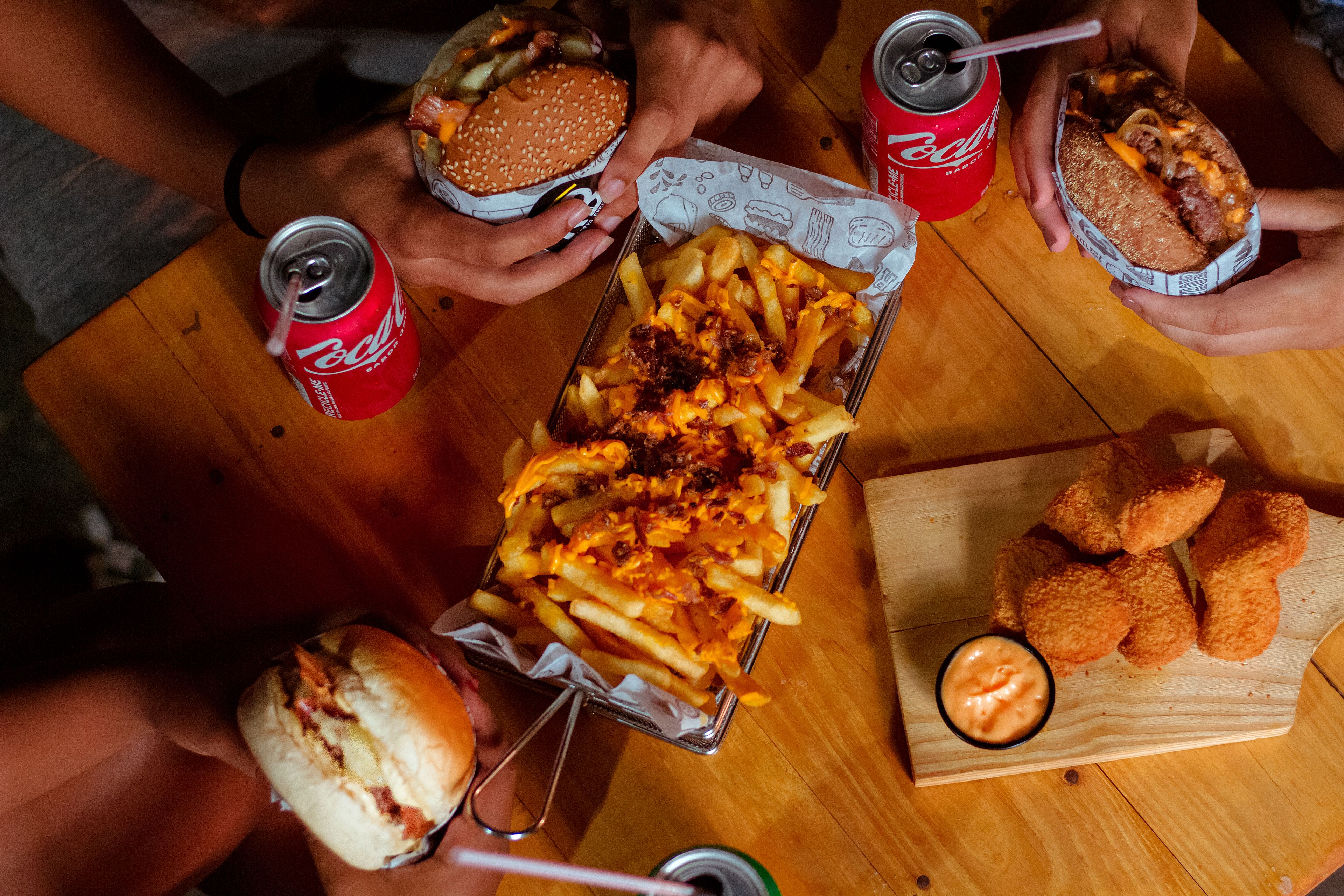
A dirty bulk means eating as much as you can, of whatever you like, to gain weight fast, with no tracking or limits on junk food. It reliably raises the scale, but studies comparing bigger and smaller calorie surpluses find the extra weight is mostly fat, not extra muscle. Muscle growth is capped by training, not appetite.
What does "dirty bulk" mean?
It's a bulking style with one rule: eat more than you burn by as much as possible. Food quality, calorie targets, and rate of weight gain are ignored. A lean bulk uses a measured surplus aimed at a slow, steady gain.
Typical dirty-bulk signs include gaining faster than 0.5% of your body weight a week, relying on fast food or liquid calories, and skipping weekly weigh-in averages. For novice and intermediate bodybuilders, an off-season review recommends a surplus of about 10–20% and weekly gain of roughly 0.25–0.5% of body weight (Iraki et al., 2019). Those numbers give you a way to tell a planned bulk from one driven by appetite alone.
- Advanced lifters should take a more conservative approach to gaining, since they have less room for rapid muscle growth.
- A real struggle to eat enough is the grain of truth behind “eat big.” If meals leave you too full before you meet your needs, adding calorie density can help.
- Calorie-dense foods can help you reach a target without turning that target into a free-for-all. The goal is to make a reasonable surplus easier to hit, not to see how much you can eat.
Why does a dirty bulk feel like progress?
Because the scale moves fast and some lifts climb with it. Ultra-processed food can make overeating effortless, and extra body mass can help leverage-heavy lifts like the bench press. But weight gained isn't muscle gained, and protein intake may not rise at all.
In an inpatient study, 20 weight-stable adults ate 508 more calories per day on an ultra-processed diet and gained 0.9 kg over two weeks. Their meals were matched for presented calories and macronutrients; the extra intake came from carbohydrates and fat, while protein intake was essentially unchanged (Hall et al., 2019). On average, the additional intake amounted to 280 calories from carbohydrates and 230 from fat per day, while protein contributed 2 fewer calories. That helps explain why simply eating more of easy-to-overeat foods can push weight up without adding more of the nutrient that supports muscle repair.
- The scale also reflects water, glycogen, and food in your gut, so early jumps overstate tissue gain. A sudden increase after changing how much or what you eat is not a reliable measure of new muscle.
- Extra body mass can help a bench press even if muscle thickness has not increased. In a trained-lifter study, the group eating a 15% surplus improved bench strength more, while measured muscle thickness did not differ between groups.
- A heavier body is evidence of weight gain, not proof that your bulk is building muscle efficiently. Track the trend in your lifts and body measurements alongside your weekly weight average.
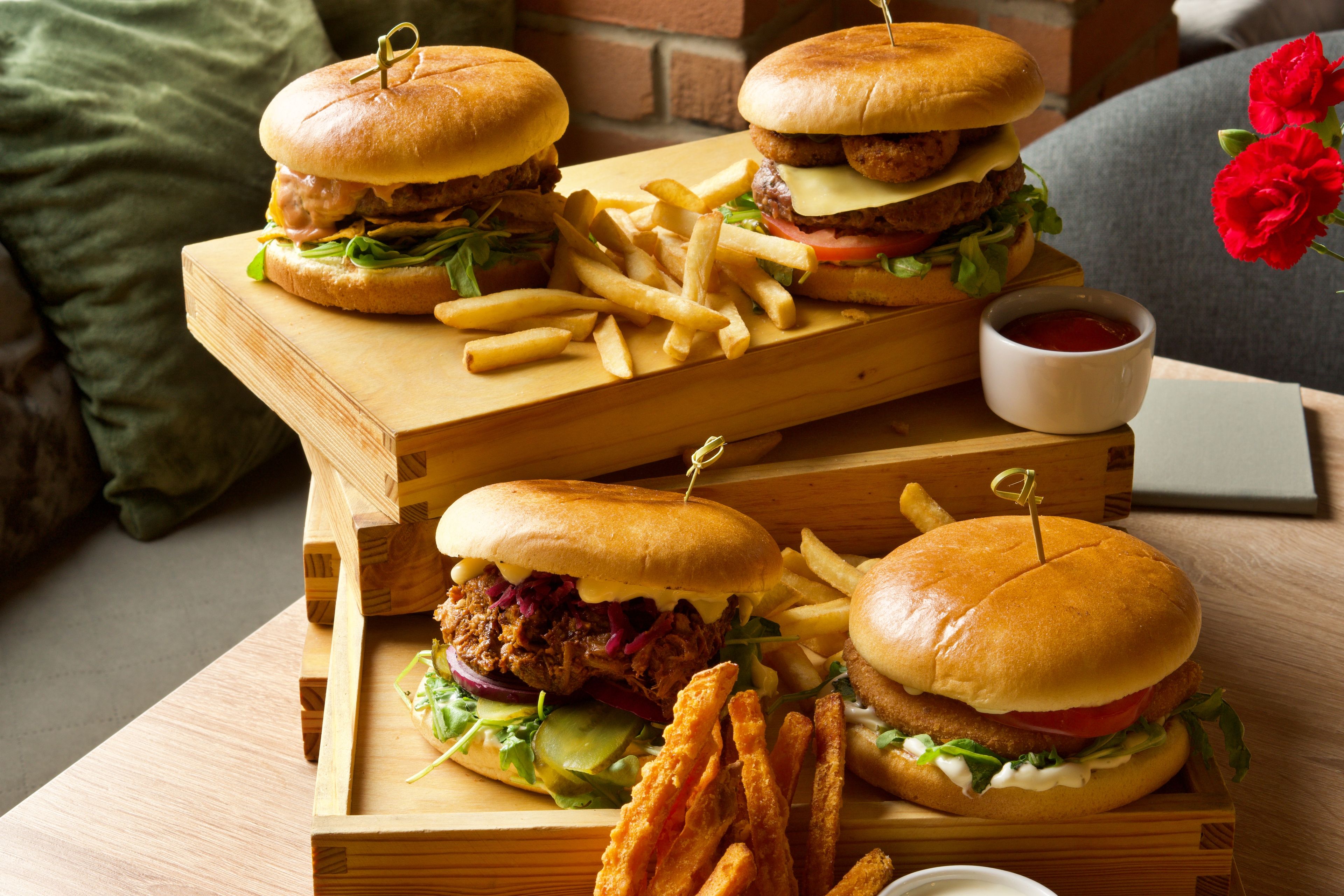
Can you gain more muscle with a dirty bulk?
Not meaningfully. In elite athletes, a bigger surplus raised weight gain from 1.5% to 3.9% and relative fat-mass gain from 3% to 15%, without a difference in lean-mass gain (Garthe et al., 2013). The 15% and 3% figures describe relative changes in fat mass, not percentage-point changes in body fat.
Elite athletes: In an 8–12 week study, 39 athletes added strength training and followed either a counselled surplus or an ad libitum diet. The counselled group reported an average intake of 3,585 calories per day, compared with 2,964 in the other group. They gained more weight, but lean-mass gains were not different. Both groups improved their one-rep max lifts by 6–12%.
Trained lifters: In an eight-week comparison of maintenance, 5%, and 15% surpluses, faster gain primarily increased fat, without evidence of group differences in muscle thickness or squat strength. The 15% group improved bench strength more and increased skinfolds more than the maintenance group; a small biceps benefit remains possible (Helms et al., 2023). This was a comparison of smaller and larger surpluses, not a direct test of an untracked dirty bulk.
Muscle growth depends on the training stimulus and recovery; the surplus only needs to be large enough to support them. For practical targets, see how big a calorie surplus should be.
| Dirty bulk | Lean bulk | |
|---|---|---|
| Calorie surplus | As large as possible, untracked | About 10–20% above maintenance |
| Rate of gain | Often well over 0.5% of body weight a week | About 0.25–0.5% a week for novice/intermediate lifters |
| Protein | Often unchanged; extra calories may come from carbs and fat | 1.6–2.2 g/kg/day, spread over 3–6 meals |
| Muscle gained | No more than with a moderate surplus | Similar muscle |
| Fat gained | Much more; one study found relative fat-mass gains of 15% vs. 3% | Less |
| What comes next | Long cut, possible strength dip | Short or no cut |
Should you dirty bulk if you're skinny?
No, but you probably do need to eat more, and calorie density is your friend. Use energy-dense whole foods and liquid calories to hit a set target, gain around 0.25–0.5% of body weight a week, and build protein into every meal. The hardgainer guide and how to lean bulk can help you set up that approach.
- Start with a surplus of roughly 10–20% above maintenance, using a bulking calorie calculator if helpful. Treat the estimate as a starting point and adjust based on your weekly average weight.
- Weigh yourself daily or several times a week and judge the weekly average. At 150 lb (68 kg), aim to gain about 0.4–0.75 lb (0.17–0.34 kg) weekly. Daily readings fluctuate, so compare averages across weeks instead of reacting to one weigh-in.
- Get 1.6–2.2 g/kg (0.7–1.0 g/lb) of protein daily, spread across 3–6 meals. That works out to roughly 0.40–0.55 g/kg per meal across those meals.
- Make eating easier with whole milk, nut butters, olive oil, rice, oats, or dried fruit. Treats can fit as a minority of your calories. You can use a shake or add oil to a meal when appetite is the obstacle, while keeping protein in the plan.
How can a dirty bulk stall your progress?
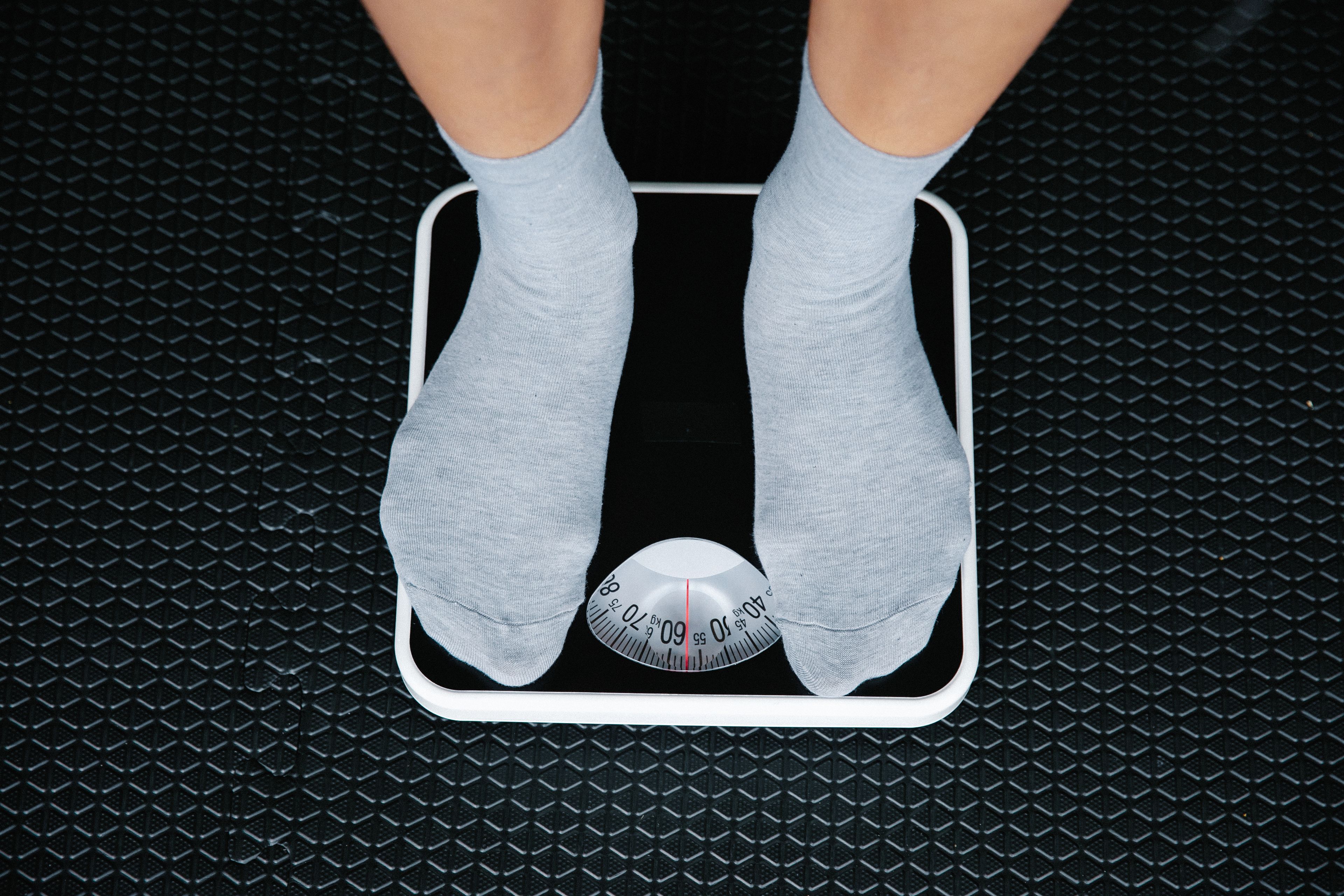
The fat has to come off. A fast, messy bulk can lead to a long cut, and strength tends to dip while you diet, leaving you months later close to where you started. The loop is familiar: gain uncomfortable amounts of fat, diet for a long time, see strength stall, then start bulking again. Gaining too fast can itself be a sign your plan is off track.
- Check whether you have gained more than about 0.5% of body weight a week for several weeks.
- Compare your waist with your arms: is your waist growing faster?
- Check whether your lifts are keeping pace with the scale, and whether weekends cancel out your weekday diet or protein is missing from meals.
If the scale is climbing but your lifts and measurements aren't, something specific is off—rate of gain, protein, training, or recovery. Check whether your bulk is the bottleneck to see which to address first, and use the lifting glossary for training and nutrition terms.
FAQ
What does the term "dirty bulk" mean?
It means trying to gain weight as fast as possible by eating large amounts of any food, often fast food, sweets, and liquid calories, without tracking calories or rate of gain. It's the opposite of a lean bulk, which uses a measured surplus and a slow target rate.
Can you gain muscle with a dirty bulk?
Yes, if you train well, but not more than with a moderate surplus. In a study of elite athletes, a larger surplus raised weight gain from 1.5% to 3.9% and relative fat-mass gain from 3% to 15%, with no difference in lean-mass gain (Garthe et al., 2013).
Should I dirty bulk if I'm skinny?
No, but you likely need to eat more than feels natural. Aim for a surplus of about 10–20%, gain roughly 0.25–0.5% of body weight a week, and use calorie-dense whole foods and shakes to get there. Build protein into every meal.
Is it okay to do a dirty bulk?
It won't wreck you in a few weeks, but it's an inefficient way to build muscle: most of the extra weight is fat, which means a longer diet later and a possible strength dip while you cut. A controlled surplus can deliver similar muscle with far less to lose afterward.
Written and maintained by LiftDecode. Training and nutrition education for healthy adults, not medical advice — if you have a health condition or an injury, talk to a professional who can examine you.