Hardgainer? Why Skinny Guys Struggle to Gain and What Works
Hardgainers are real, but the hard part is eating, not muscle. Why skinny guys don't gain, how much to eat, how to eat more without force-feeding, and a plan.
- Published
- Reading time
- 7 min
- By
- LiftDecode
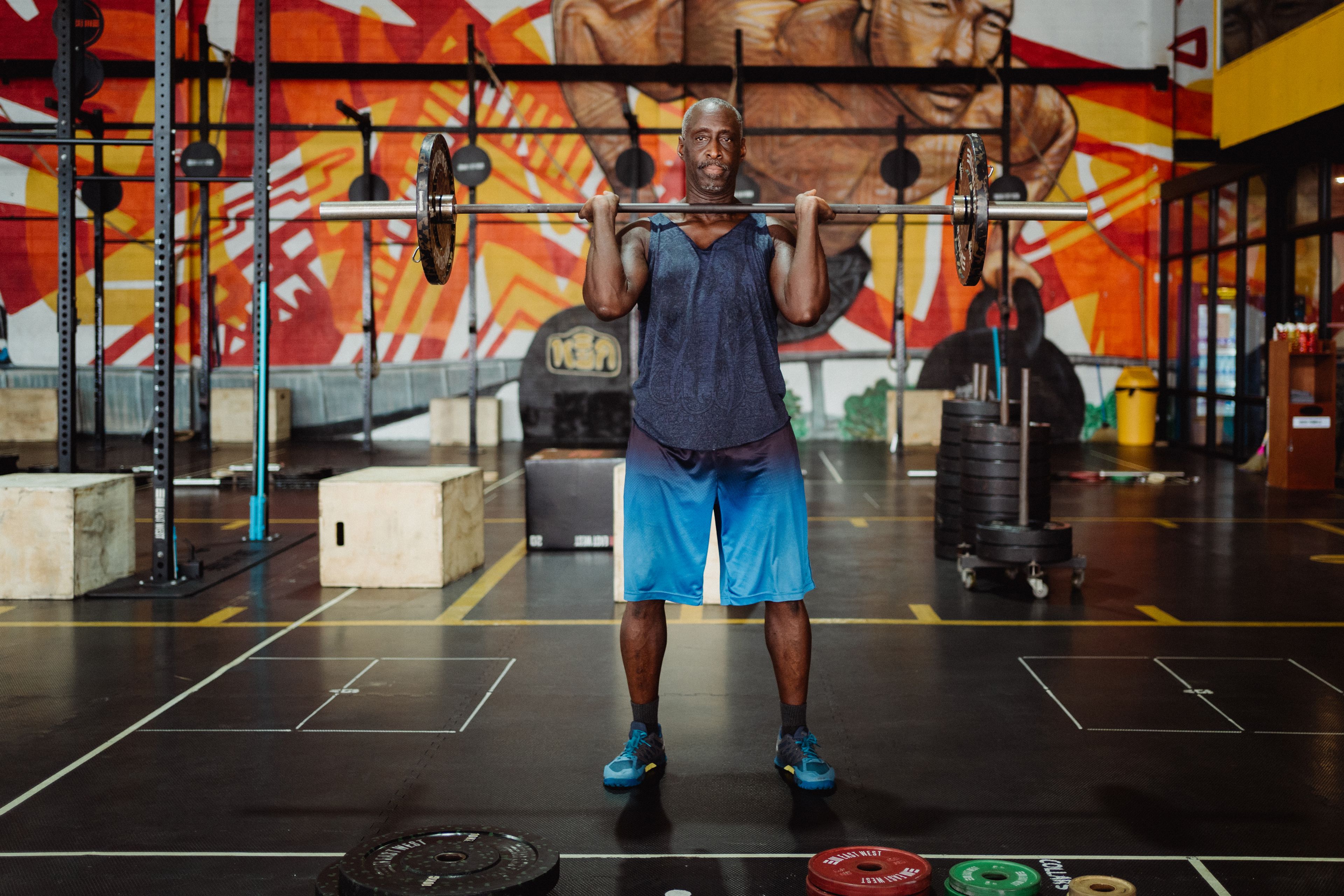
A hardgainer trains, feels like they eat a lot, and still doesn’t gain weight. Bodies differ in how they handle extra food, but the main hurdle is usually eating enough. Build a consistent surplus, and a normal program can work.
Are hardgainers real?
Yes, in one specific sense: some people burn off more of a food surplus than others. Differences in fidgeting, movement, and appetite affect energy balance, not whether muscles can grow. With a sustained surplus and hard training, a hardgainer gains.
In a twin study, 12 pairs ate an extra 1,000 calories a day for 84 days. Average gain was 17.9 lb (8.1 kg), ranging from 9.5 to 29.3 lb (4.3–13.3 kg); twins tended to gain similarly (Bouchard et al., 1990). Non-exercise activity thermogenesis (NEAT), including fidgeting and posture changes, accounted for two-thirds of the increase in energy burned during overfeeding and helped explain tenfold differences in fat gained (Levine et al., 1999).
Muscle response varies too: in a 12-week study of 585 people, arm size changes ranged from −2% to +59% (Hubal et al., 2005). But you can’t know you’re a low responder until you’ve eaten a real surplus and trained hard for months. McRobert argued conventional bodybuilding methods “create hardgainers” (HARDGAINER). Program hopping can hurt; doing very little isn’t the answer. Still unsure? Read how to gain muscle when it’s stopped coming easy.
Why do skinny guys struggle to gain weight?
Usually, the surplus they think they’re eating isn’t there. Big meals some days, skipped meals on others, more daily movement, and filling foods can add up to maintenance. Check these causes in order:
- You eat less than you think. Self-reported intake is unreliable: people who said they couldn’t lose weight under-reported intake by 47%, the mirror image of “I eat a ton and can’t gain” (Lichtman et al., 1992). Self-check: have you weighed yourself consistently for two weeks?
- Your appetite shuts you down. Protein tends to be more filling than carbs or fat (Paddon-Jones et al., 2008). Self-check: do you feel stuffed while the scale stays flat?
- Your daily movement rises when you eat more. Do you have an active job, walk everywhere, or feel restless?
- Cardio or sports spend the surplus. Do you run or play football several times a week?
- Your training doesn’t force growth. Are your main lifts heavier than eight weeks ago?
You may have several causes at once. Start with the lifter’s checklist for not gaining weight, or see which one is actually stopping you.
How much should a hardgainer eat?
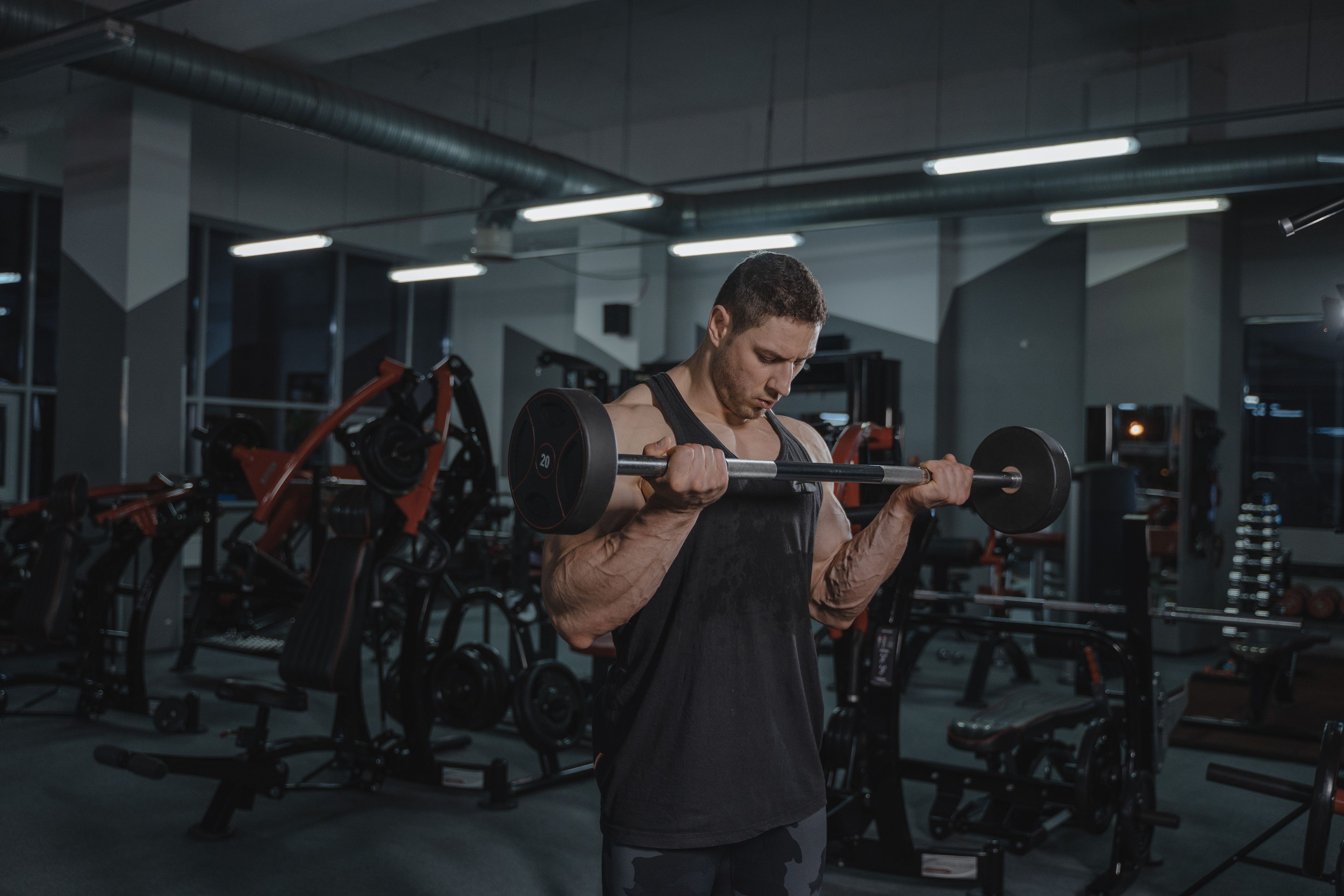
Aim to gain about 0.25–0.5% of your body weight per week, usually with a surplus of roughly 10–20% above maintenance (Iraki et al., 2019). For a 150 lb (68 kg) lifter, that’s roughly 0.4–0.75 lb (0.2–0.35 kg) weekly. Your weekly average weight—not a calculator—shows whether it’s working.
Use a bulking calorie calculator for a starting guess. Weigh each morning after using the bathroom and before eating, then compare weekly averages. If yours hasn’t risen in two weeks, add food, such as a shake or snack each day. For help choosing a target, read how big a calorie surplus for muscle gain should be.
Don’t overshoot. In a study of 39 elite athletes, the group assigned more calories gained more weight, mostly as fat; lean mass gains didn’t differ (Garthe et al., 2013). About 1.6 g of protein per kg (0.7 g per lb) is enough for most lifters; a meta-analysis found fat-free mass gains plateaued around that intake (Morton et al., 2018). Much more protein can make it harder to eat enough of everything else.
How do you eat more when you’re never hungry?
Drink some calories, eat more often, and choose foods that pack calories into a small volume. Liquid calories can slip past fullness, so you may not compensate by eating less later as you might after solid food.
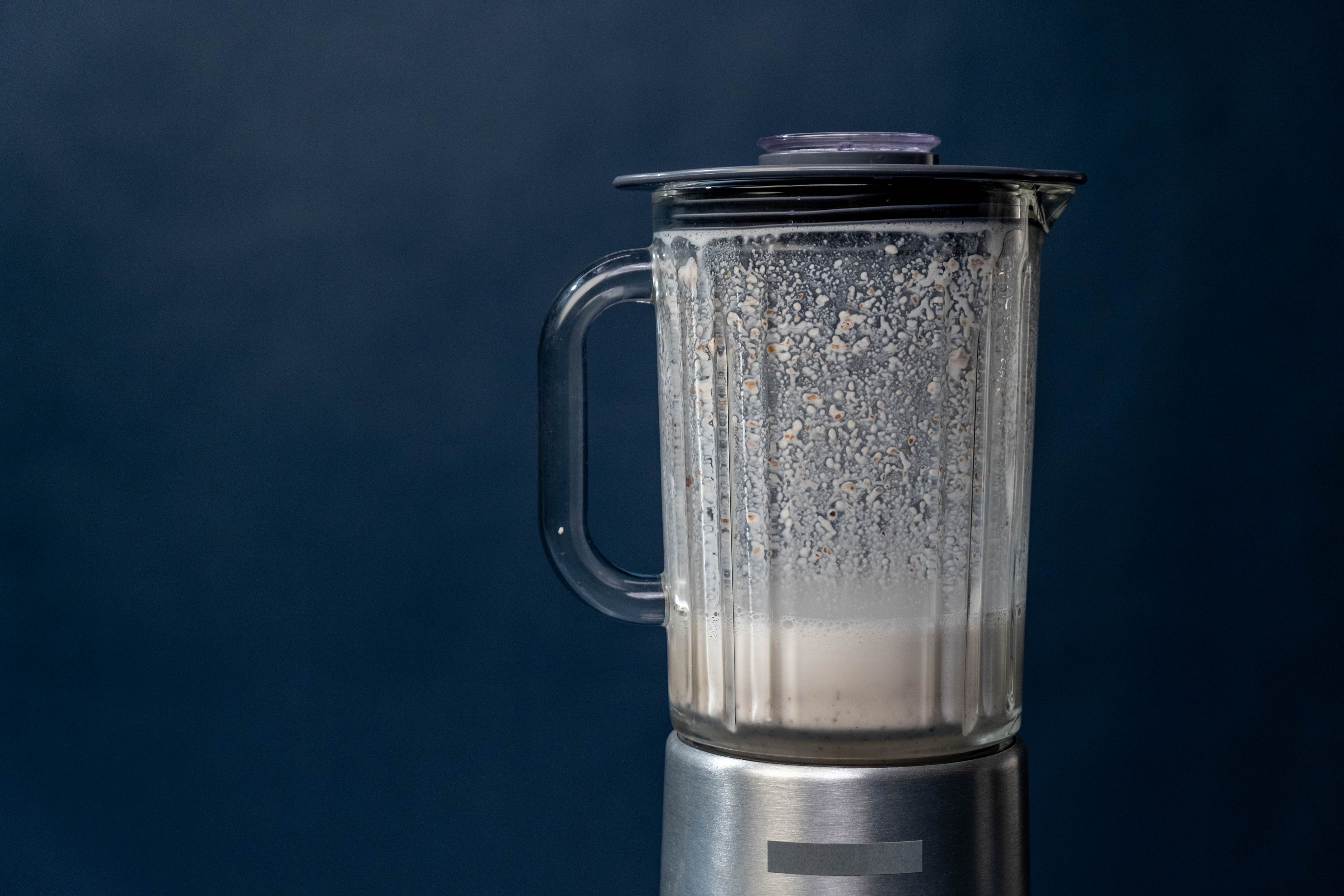
- Make one or two blender shakes with milk, oats, peanut butter, and banana.
- Add a fourth meal at a fixed time, such as before bed.
- Choose calorie-dense foods: nuts, nut butters, olive oil, whole milk, rice, granola, and dried fruit.
- Keep protein near 1.6 g per kg (0.7 g per lb); let carbs and fats carry the surplus.
- Eat carbs first and vegetables last.
- If tracking makes you quit, weigh yourself instead.
In a study of adults, about 450 calories a day from soda were poorly compensated for: participants ate little less later and gained weight. The same calories from jelly beans were fully compensated for, and weight didn’t rise (DiMeglio & Mattes, 2000). The study wasn’t about lifters, and soda isn’t the recommendation; it shows why liquid calories can help when appetite is the bottleneck.
What workout works best for a hardgainer?
Run a progressive three-day full-body program built on compound lifts, with about 10 hard sets per muscle weekly. Add weight when you hit the top of your rep range. You need one plan run for months while the surplus does its job.
| Day | Exercise | Sets × reps | Effort (reps in reserve) |
|---|---|---|---|
| 1 | Back squat | 3 × 5–8 | 1–3 |
| 1 | Bench press | 3 × 6–8 | 1–3 |
| 1 | Barbell or chest-supported row | 3 × 8–10 | 1–2 |
| 1 | Dumbbell curl | 2 × 10–12 | 0–2 |
| 2 | Deadlift (conventional or trap bar) | 3 × 5 | 2–3 |
| 2 | Overhead press | 3 × 6–8 | 1–3 |
| 2 | Pull-up or lat pulldown | 3 × 6–10 | 1–2 |
| 2 | Dips or close-grip bench | 2 × 8–10 | 1–2 |
| 3 | Leg press or front squat | 3 × 8–10 | 1–2 |
| 3 | Incline dumbbell press | 3 × 8–10 | 1–2 |
| 3 | Seated cable row | 3 × 10–12 | 1–2 |
| 3 | Lateral raise | 2 × 12–15 | 0–2 |
| 3 | Standing calf raise | 3 × 10–15 | 0–2 |
This is LiftDecode’s template, not a study protocol. Major muscles get roughly 9–12 hard sets a week, in line with evidence linking more weekly sets to more growth (Schoenfeld et al., 2017). Rest 2–3 minutes on compound lifts and 60–90 seconds on isolation work.
- Stay on the same program for at least 12 weeks.
- End most sets with 1–3 reps left.
- When all sets hit the top of the range, add 5 lb (2.5 kg) to lower-body lifts and 2.5–5 lb (1–2 kg) to upper-body lifts.
- Keep cardio to walking and one or two short sessions if you enjoy it; extra sport needs extra food.
If you’ve been told you’re an ectomorph, read why the ectomorph label doesn’t change your plan.
How do you know it’s working?
Your weekly average weight should rise about 0.25–0.5% of body weight, your main lifts should climb every week or two, and your waist should grow slowly. If weight rises but lifts don’t, train harder; if lifts rise but weight doesn’t, eat more.
Every two weeks, check weight trend, top sets on squat, bench, and row, and waist. At 0.5 lb (0.2 kg) a week, you’d gain about 13 lb (6 kg) in six months—not all muscle, and that’s fine.
- Weight up, lifts up: Keep going.
- Weight up, lifts flat: Review effort and your program.
- Weight flat, lifts up: Eat more.
- Both flat: Fix eating first, then check sleep and recovery.
LiftDecode’s rule of thumb: if your waist grows more than an inch in a month, trim your surplus by 10%.
Most self-labelled hardgainers have two or three things to fix: an unreal surplus, training that doesn’t force progress, or short recovery. LiftDecode’s diagnosis helps rank what to address first. See which one is actually stopping you.
FAQ
Do hardgainers exist?
Yes, but not as a separate species. When identical twins ate the same extra 1,000 calories a day, gains ranged from 9.5 to 29.3 lb (4.3–13.3 kg), and twins tended to resemble each other (Bouchard et al., 1990). Some people burn off more of a surplus, making weight gain harder but not impossible.
How do hard gainers gain weight?
Make the surplus measurable: weigh each morning, compare weekly averages, and add food if the average stalls for two weeks. Aim for 0.25–0.5% of body weight weekly with shakes, a fixed fourth meal, and calorie-dense foods. Run one progressive program long enough to turn extra food into muscle.
What does it mean to be a hardgainer?
It describes someone who struggles to gain weight and muscle despite training and eating what feels like a lot. Common practical issues include high daily movement, low appetite, and an inconsistent surplus. Stuart McRobert’s HARDGAINER popularized the term and argued conventional bodybuilding routines were part of the problem.
What is the hardest muscle for men to build?
There’s no universal answer; it’s often the muscle you train last, lightest, or least often. Calves, forearms, and side delts can lag when they get only a couple of easy sets at the end of a workout; see how to grow calves when nothing has worked. Give a lagging muscle hard sets early, train it two or three times a week, and progress it like a main lift.
Written and maintained by LiftDecode. Training and nutrition education for healthy adults, not medical advice — if you have a health condition or an injury, talk to a professional who can examine you.