Smolov Squat Program (and Smolov Jr): Worth the Risk?
Smolov and Smolov Jr laid out week by week: sets, percentages, weight jumps, who should run them, and why a squat stalled by technique or recovery won't be fixed.
- Published
- Reading time
- 7 min
- By
- LiftDecode
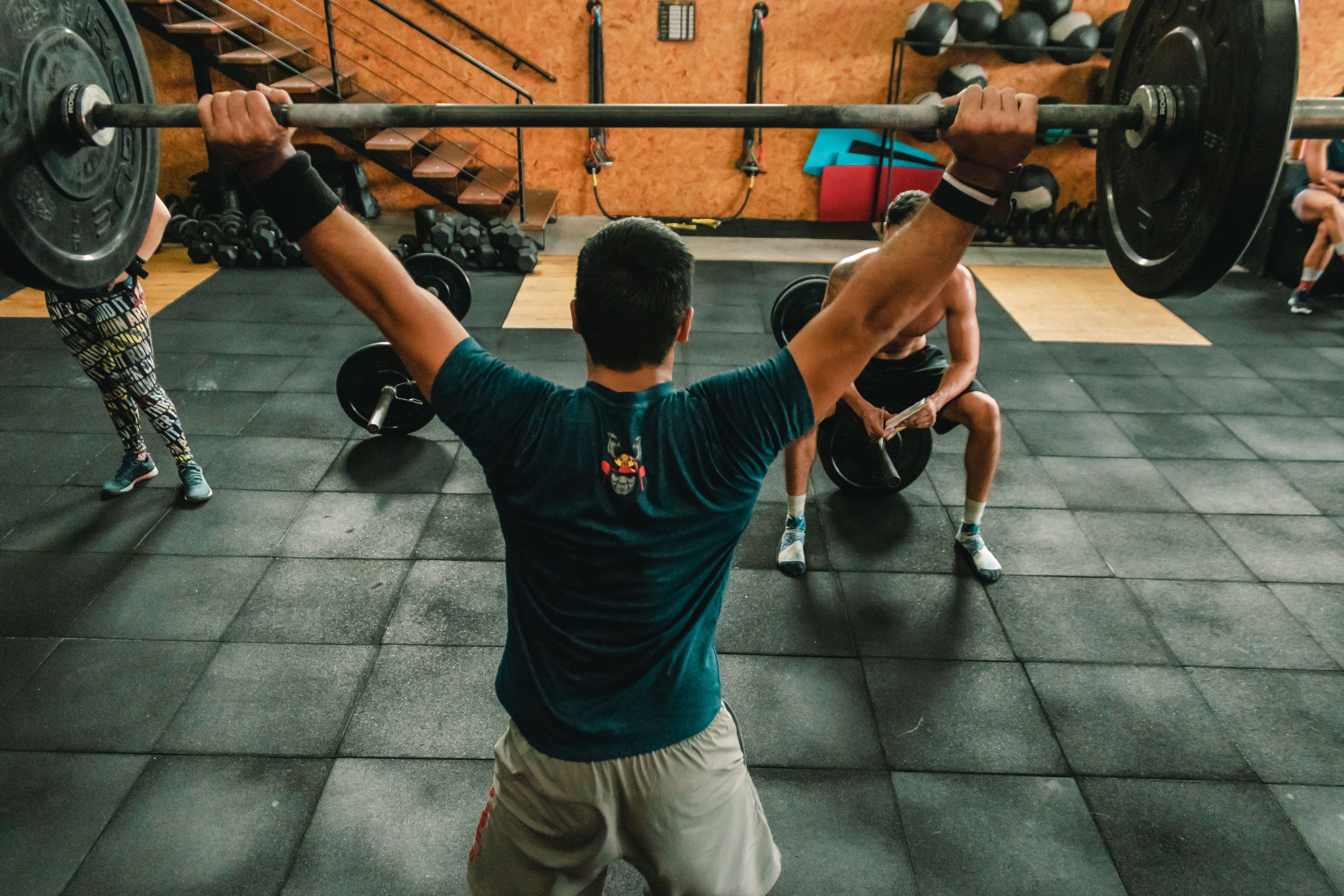
Smolov is a 13-week Russian squat cycle; Smolov Jr is a three-week, four-day-a-week cut-down. Both use heavy, frequent, high-volume squatting. They can help when your squat needs more practice under load, but won’t fix a stall caused by technique, recovery, or pain. Compare it with other programs and where each one stalls.
What is the Smolov squat program?
The full Smolov program runs 13 weeks in five phases: a two-week introduction, a four-week high-volume base, a two-week switching phase, a four-week intense phase, and a taper to a new max. Smolov Jr compresses the base-cycle idea into three weeks (Smolov program overview).
The full cycle is a short overreach and peaking block: temporarily increase training stress, then test strength. Its base mesocycle—a focused training phase—has four squat days per week:
| Phase | Weeks | Sessions/week | What happens |
|---|---|---|---|
| Intro | 1–2 | 3 | Builds toward heavier work, from 3×8 at 65% to singles at 80–85%. |
| Base mesocycle | 3–6 | 4 | 4×9 at 70%, 5×7 at 75%, 7×5 at 80%, 10×3 at 85%; add 20 lb in week 4 and 30 lb in week 5 over week 3. Rest, then test a new 1RM. |
| Switching phase | 7–8 | — | Dynamic-effort work at 50–60% of the new 1RM. |
| Intense mesocycle | 9–12 | 3 | Heavy work from 60–95% of the new 1RM. |
| Taper | 13 | — | Reduces volume before a 1RM test. |
A 1RM is the heaviest weight you can lift once. The full cycle takes time and recovery; its base phase alone is a large jump in squat work.
How does Smolov Jr work?
Smolov Jr is four squat sessions a week for three weeks: 6×6 at 70%, 7×5 at 75%, 8×4 at 80%, and 10×3 at 85% of your current max. Keep sets, reps, and percentages constant; add 5–10 lb in week two and 10–20 lb in week three (Smolov Jr program).
| Day | Sets × reps | Week 1 | Week 2 | Week 3 |
|---|---|---|---|---|
| Monday | 6×6 | 70% | 70% + 5–10 lb | 70% + 10–20 lb |
| Wednesday | 7×5 | 75% | 75% + 5–10 lb | 75% + 10–20 lb |
| Friday | 8×4 | 80% | 80% + 5–10 lb | 80% + 10–20 lb |
| Saturday | 10×3 | 85% | 85% + 5–10 lb | 85% + 10–20 lb |
That is 133 squat reps in 31 sets per week. Starting Strength, for comparison, programs 3×5 squats three times weekly, or 45 reps (Starting Strength guide). Smolov Jr is also used for bench press. Skip accessory work; if you fail sets or soreness is crushing, keep the same weights next week.
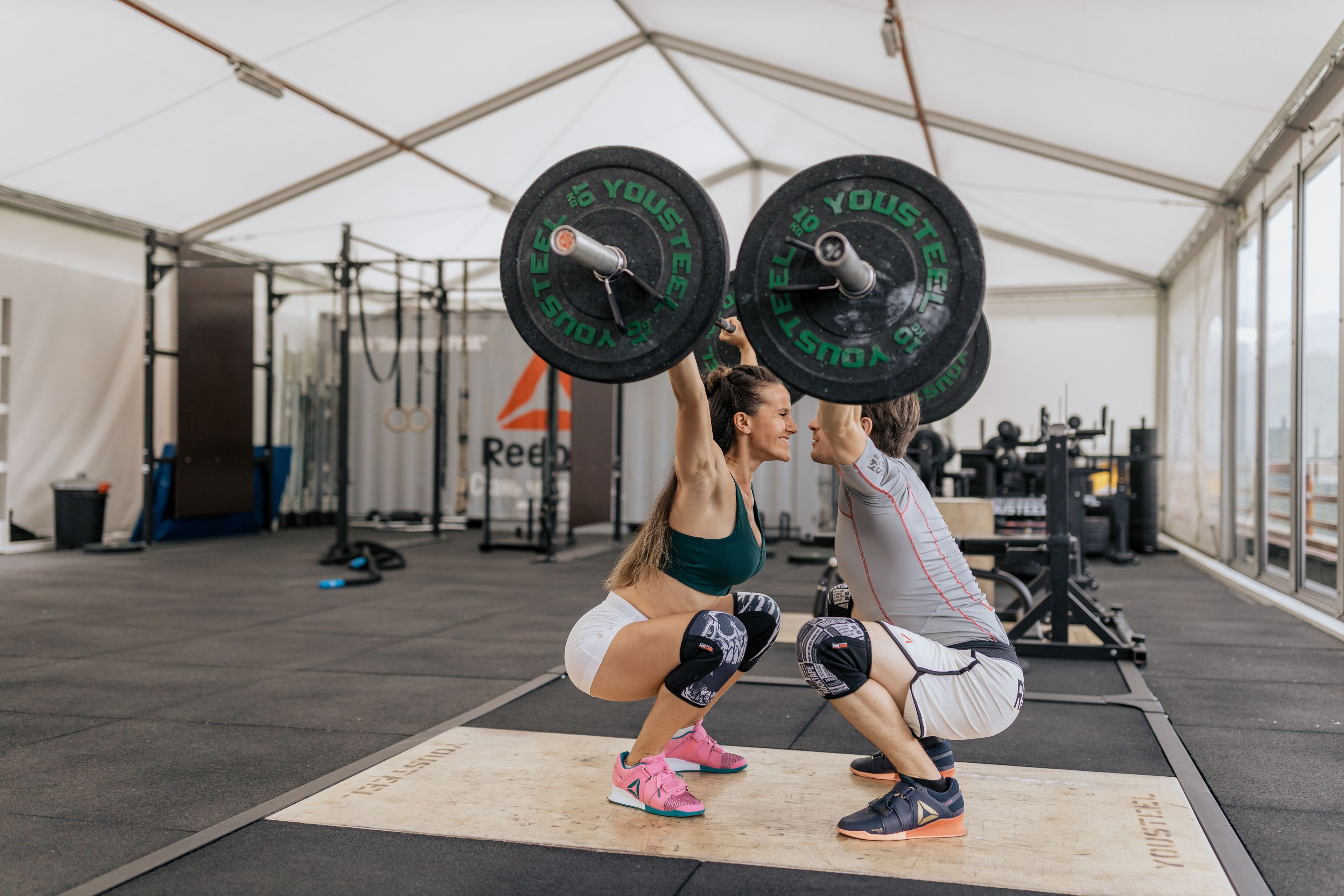
Why does Smolov work when it works?
Smolov sharply increases practice and volume on one lift for a short time. A review of resistance-training studies associated higher weekly set volumes with greater strength gains (Ralston et al., 2017).
More frequent training can create practice opportunities for a skill lift like the squat. One review found strength effect sizes rose from 0.74 with one weekly session to 1.08 with four or more, but frequency had no significant effect when volume was matched (Grgic et al., 2018). With Smolov, extra days matter largely because they add work.
That is why the block must be short: the base cycle includes rest before a max test, and the program notes appetite may rise (Smolov program overview). For leg size rather than a squat PR, see how to get bigger legs.
Who should run Smolov, and who shouldn’t?
Run it if you’re past the beginner stage, your technique holds up under fatigue, your joints are pain-free, and you can prioritize food and sleep. Skip it if you can still add weight weekly, your squat breaks down under load, or pain limits you.
A better fit:
- Your technique is stable and you want a brief, demanding push.
- Your knees, hips, and back are healthy.
- You have enough food and sleep to recover.
A poor fit:
- You’re a novice who can progress on a simpler plan.
- Your depth or position breaks down under heavy weight.
- You’re short on sleep, doing heavy cardio, or eating in a deficit.
- Pain changes how you move; see a clinician if it persists.
A study of trained lifters found strength gains peaked around 80% of 1RM, two days a week, and four sets per muscle group (Rhea et al., 2003). Smolov deliberately exceeds that workload for a short period. Before starting, ask whether your technique is stable, you’re pain-free, you can recover, and more squat practice is what you need. Read squat form mistakes that stall the lift.
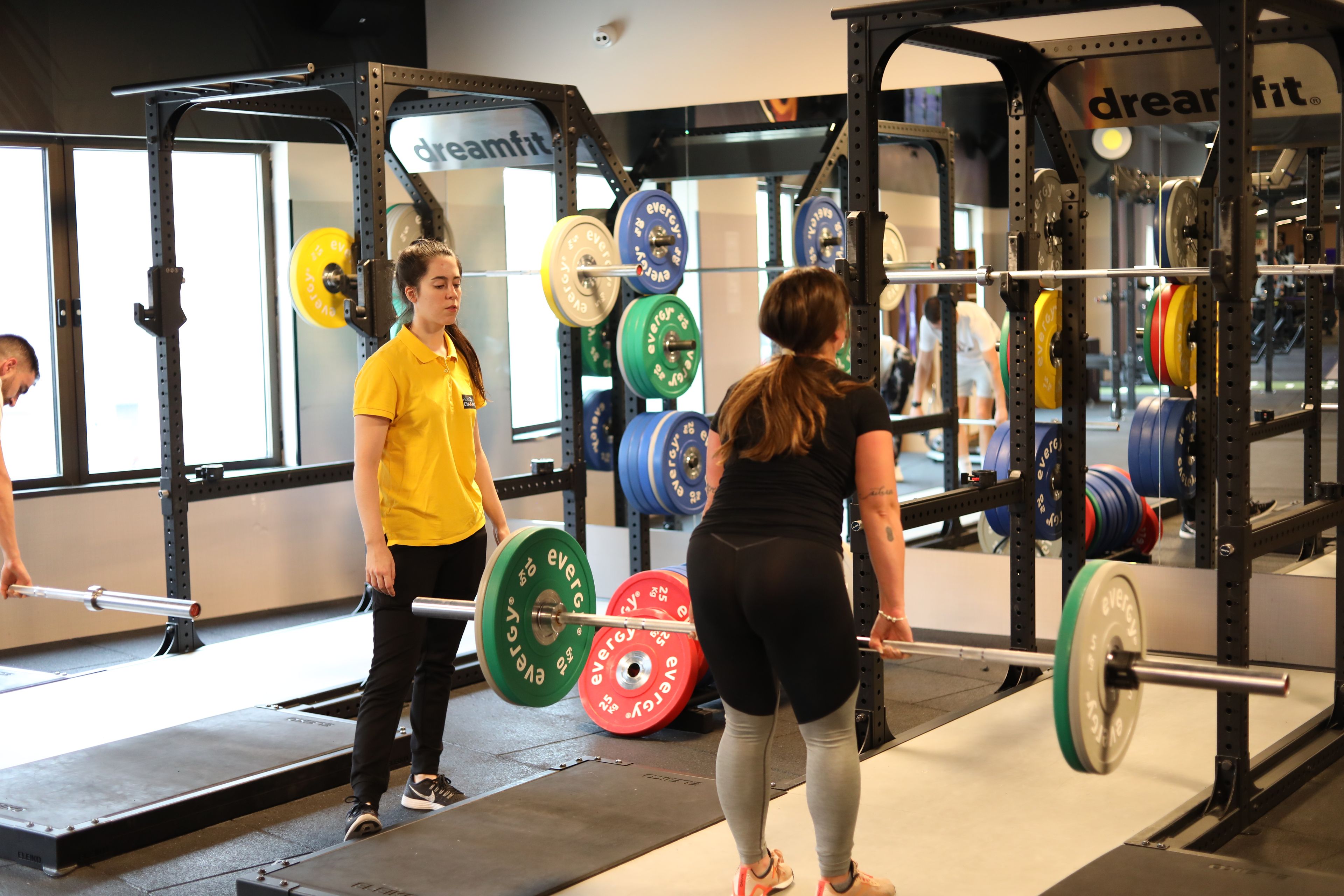
Where does Smolov go wrong?
It often goes wrong when the starting max is too high, you add training or dieting stress, or the stall isn’t a volume problem. The program says to stop increasing loads after failed sets (Smolov Jr program).
- Sign: 85% days become grinders. Fix: Use a recent, true max; check it with a 1RM calculator.
- Sign: You add accessories, conditioning, or a diet. Fix: Drop accessories and prioritize recovery.
- Sign: Your sticking point, technique, or depth changes under load. Fix: Address the cause before adding reps. Review squat form mistakes that stall the lift. Smolov only fixes a squat that lacked practice. Find out whether volume is really your bottleneck.
- Sign: Pain changes your squat. Fix: Stop pushing through; see a clinician if pain persists or changes how you move.
The program warns the cycle is difficult and says not to raise loads when sets are failing (Smolov program overview). Treat that as a rule.
Smolov vs the Russian squat routine: what’s the difference?
The Russian squat routine lasts six weeks, uses three sessions a week, starts at 80%, and ends with heavy sets up to a new max. Smolov Jr runs four sessions weekly for three weeks; full Smolov lasts 13 weeks and is the most demanding.
| Russian squat routine | Smolov Jr | Full Smolov | |
|---|---|---|---|
| Length | 6 weeks | 3 weeks | 13 weeks |
| Sessions/week | 3 | 4 | 3–4 by phase |
| Loading | 80% in weeks 1–3, then 85% to 105–110% | 70–85% plus weekly jumps | 65–95% across phases |
| Best for | A peak with less soreness | A short, hard push | Experienced lifters with time and recovery |
The Russian routine builds from sets of two to six at 80%, then progresses through heavier work in weeks four to six (Lift Vault: Russian Squat Program). Choose it for a peak with less soreness, Jr for a short push, and full Smolov only if you have the experience and recovery.
What should you do after a Smolov cycle?
Return to a normal program built around your new max, rather than going straight into another cycle. Recalculate working weights conservatively, give your knees and hips easier weeks, and rebuild weekly progression.
Some lifters group two Smolov Jr cycles with a week’s rest between; consider that only if the first produced a clean PR and you recovered well (Smolov Jr program). You could return to 5/3/1, which uses a training max below your true max, or use the Texas Method for weekly progression (Jim Wendler, T Nation). A deload week can ease the return.
- If you hit a clean PR, use the new max conservatively.
- If your squat did not move, examine technique, weak positions, and recovery.
- If pain persists or changes how you move, stop and see a clinician.
If you’re unsure whether your stall is a practice problem, take the quick, one-tap diagnosis and use the result to decide what to change next.
FAQ
Is the Smolov program effective?
For the right lifter, it can be: the short block adds substantial squat practice and volume, which is linked to greater strength gains (Ralston et al., 2017). It won’t fix technique, a weak position, poor recovery, or pain; extra work can add fatigue without addressing the cause.
How much should I squat on Smolov?
Base every weight on your current 1RM. Smolov Jr starts at 70%, 75%, 80%, and 85% for 6×6, 7×5, 8×4, and 10×3, then adds 5–10 lb in week two and 10–20 lb in week three (Smolov Jr program). Use a recent, true max.
What are the risks of doing Smolov?
The main risk is fatigue from heavy, frequent squatting at very high volume. The program advises dropping accessories and keeping weights steady after failed sets (Smolov Jr program). Don’t run it with existing knee, hip, or back pain; see a clinician if pain persists or changes how you move.
What’s the difference between the Russian squat routine and Smolov?
The Russian routine lasts six weeks at three sessions a week, starts at 80%, and progresses to a new max (Lift Vault: Russian Squat Program). Smolov Jr lasts three weeks with four sessions; full Smolov runs 13 weeks through five phases. The Russian routine is gentlest, and full Smolov most demanding.
Written and maintained by LiftDecode. Training and nutrition education for healthy adults, not medical advice — if you have a health condition or an injury, talk to a professional who can examine you.