Starting Strength Program: How It Works and Where It Stalls
The Starting Strength program phase by phase: lifts, 3x5 sets, jump sizes, the microload and light-day tricks, and what to run when linear progress ends.
- Published
- Reading time
- 7 min
- By
- LiftDecode
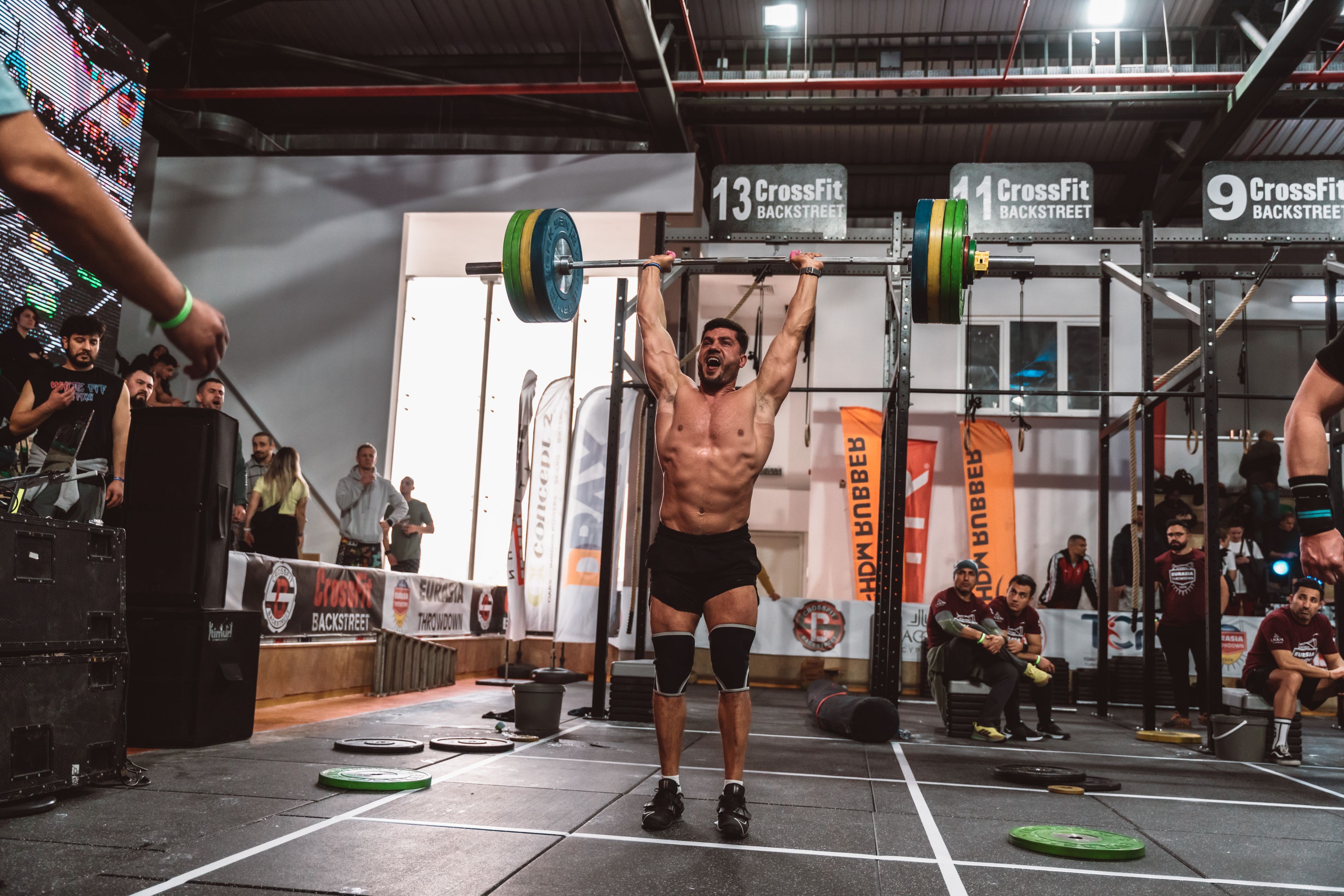
Starting Strength is Mark Rippetoe’s novice barbell routine: three full-body sessions a week, squats every session for 3 sets of 5, alternating presses and bench presses, and a heavy pull. Add weight each session until progress stalls, then use smaller jumps, lighter squat days, and intermediate programming.
What is the Starting Strength program?
Starting Strength is a three-day-a-week novice program built on five barbell lifts—squat, press, bench press, deadlift, and power clean—plus chin-ups. Each session trains the whole body, with squats for 3 sets of 5 (the official Starting Strength guide).
The name refers to Starting Strength: Basic Barbell Training, first published in 2005 with Lon Kilgore, and the novice routine it describes (Mark Rippetoe’s biography). Train on nonconsecutive days, such as Monday, Wednesday, and Friday. Work sets follow warm-ups; beginners can recover between sessions and add weight at the next one (see what newbie gains are and when they end). Assistance work is limited. For template comparisons, how StrongLifts 5x5 compares comes down partly to 5×5 versus 3×5. See every major program and split, and where each stalls.
The Starting Strength novice program (work sets only; warm-ups not shown)
| Phase (typical length) | Day A | Day B | Key change |
|---|---|---|---|
| Phase 1 (usually 1–3 weeks) | Squat 3×5; press or bench 3×5; deadlift 1×5 | Squat 3×5; bench or press 3×5; deadlift 1×5 | Alternate press and bench |
| Phase 2 (several weeks to several months) | Squat 3×5; press/bench 3×5; deadlift 1×5 | Squat 3×5; press/bench 3×5; power clean 5×3 | Cleans replace Day B deadlift |
| Phase 3 (until linear progress ends) | Squat 3×5; press/bench 3×5; deadlift 1×5 or power clean 5×3, alternating | Squat 3×5; press/bench 3×5; chin-ups | Microload presses and cleans; squat heavy twice, light once weekly |
How do the three phases of Starting Strength work?
The routine changes as strength grows: Phase 1 deadlifts every session; Phase 2 replaces Day B deadlifts with power cleans; Phase 3 alternates deadlifts and cleans on Day A and adds chin-ups on Day B (the official Starting Strength guide).
Alternate press and bench across sessions: in week one, press Monday and Friday and bench Wednesday; reverse the pattern the next week. Each lift gets three sessions every two weeks.
Cleans replace one weekly deadlift in Phase 2 to ease recovery. In Phase 3, once you can do 3×10 bodyweight chin-ups, make every other chin-up session 3×5 weighted.

How fast does weight go up on Starting Strength?
Weight rises quickly at first, then in smaller jumps. For healthy men around 18–35 or 40, the guide suggests adding 10 lb (about 5 kg) to squats for the first two or three sessions and 15–20 lb (about 7–9 kg) to deadlifts at first (the official guide).
| Lift | Early jumps | Standard | Late |
|---|---|---|---|
| Squat | 10 lb (about 5 kg) for 2–3 sessions | 5 lb (2.5 kg) | 2.5 lb (about 1.25 kg) or less |
| Deadlift | 15–20 lb (about 7–9 kg) at first | 10 lb (about 5 kg), then 5 lb (2.5 kg) | 2.5 lb (about 1.25 kg) or less |
| Press, bench, clean | 5 lb (2.5 kg), perhaps one 10 lb jump | 5 lb (2.5 kg) | 2.5 lb (about 1.25 kg) or less |
For that demographic, Phase 1 gains are 40–50 lb (about 18–23 kg) on the squat, 50–70 lb (about 23–32 kg) on the deadlift, and 15–20 lb (about 7–9 kg) on the press and bench. Women and lifters over 35–40 usually need smaller jumps sooner. A meta-analysis found untrained lifters’ strength gains peaked around 60% of one-rep max training three days weekly, while trained lifters peaked around 80% twice weekly (Rhea et al., 2003).
Who should run Starting Strength (and who shouldn’t)?
It suits beginners and detrained lifters focused on barbell strength who can train three days weekly with long rests. It is less suited to lifters prioritizing muscle size: press and bench get only 4.5 work sets weekly, with no direct arm, shoulder, or calf work.
Good fit
- You want to learn the main barbell lifts and add weight often.
- You can train three nonconsecutive days and recover between sessions.
Poor fit
- Your main goal is muscle size and more weekly work per muscle.
- You want direct arm, shoulder, or calf training.
| Lift or muscle group | Work sets per week |
|---|---|
| Squat | 9 |
| Press | 4.5 |
| Bench press | 4.5 |
| Deadlift | 3 in Phase 1; about 0.75 in Phase 3 |
| Power clean | 7.5 in Phase 2; about 3.75 in Phase 3 |
Press and bench totals reflect alternating lifts, averaging 1.5 sessions each weekly. A meta-analysis reported about 0.37% greater muscle gain per additional weekly set (Schoenfeld et al., 2017). Older lifters follow a similar pattern with smaller increases; the authors point them to The Barbell Prescription (the official guide). See strength training over 40.

Where does Starting Strength stall, and why?
Stalls usually come in this order: press, bench, squat, deadlift. Upper-body lifts have less room for 5 lb jumps, while three heavy squat sessions eventually outstrip recovery.
- Press: only 1.5 sessions weekly, so each 5 lb jump is a large percentage increase.
- Bench: the same frequency and modest loading increments.
- Squat: recovery falters; Phase 3 makes Wednesday light.
- Deadlift: often progresses after the other lifts stop.
If bodyweight is flat, sleep is short, or sessions are missed, address those factors first. A stall means missing reps at the same load for two workouts in a row (Rori Alter, “The Reset”). Phase 3 microloading uses jumps of 2.5 lb or less; an overhead press form fix may help if technique is limiting the lift.
What does Starting Strength say to do when you stall?
Adjust in order: rest longer, reduce weight jumps, make one squat day light, then reset the load. If the lift stalls again, move it to intermediate programming.
- Rest at least 5 minutes between work sets.
- Microload with 2.5 lb (about 1.25 kg) or smaller jumps.
- Squat heavy Monday and Friday, with a light Wednesday.
- Reset by dropping loads 5–10% without changing the program.
- If the lift misses again at the same load, move it to intermediate programming.
Intermediate programming adds weight weekly rather than each session. Progress is lift-specific: the press can move on while the deadlift continues. The official guide advises confirming you have finished novice progression. If you’ve microloaded, rested longer, and still missed, check which bottleneck is really first: novice limits and under-recovery can look the same on the bar.
What should you run after Starting Strength?
For strength, move to weekly progression, usually intermediate programming such as the Texas Method. For size, choose a split with more weekly sets for chest, back, shoulders, and arms.
The Texas Method uses volume, light, and intensity days to build toward a weekly record. Practical Programming for Strength Training describes intermediate programs for lifters who have built strength with linear progression; the official guide points to the Texas Method and “Five Ways to 5×5” (the official Starting Strength guide).
| If your goal is… | Run… |
|---|---|
| Strength, with weekly records | Intermediate programming such as the Texas Method, the usual next step |
| Muscle size | An upper/lower split four days a week, with more weekly sets |
| Continued barbell practice | An intermediate plan matched to recovery and schedule |
ACSM guidance lists three to four training days weekly for intermediate lifters and four to five for advanced lifters, with periodized loading (ACSM position stand, 2009). Unsure whether a stalled lift is ready to move on? Take the quick, one-tap diagnosis to identify whether the first bottleneck is programming, recovery, or something else.
FAQ
Does the Starting Strength program work?
For novices, it offers a simple way to add weight to the main barbell lifts almost every session for weeks to months. When jumps stop, even after microloading and a light squat day, move the stalled lift to intermediate programming.
What is a good Starting Strength program for beginners?
Train three nonconsecutive days weekly, squatting 3×5 each session, alternating press and bench for 3×5, and deadlifting 1×5 before adding power cleans (5×3) and chin-ups in later phases. Start with manageable loads and add weight while you keep making reps; the guide describes early squat jumps of 5–10 lb (Starting Strength guide).
What is a good Starting Strength program for seniors?
Use the same basic structure, with smaller jumps that shrink sooner. The official guide points older lifters to The Barbell Prescription: Strength Training for Life After 40 for modifications (Starting Strength guide); if you have a heart, joint, or bone condition, discuss heavy lifting with your doctor first.
How do I know I’ve finished the novice phase?
A lift has finished novice progression when you miss reps at the same load twice in a row after resting longer, cutting jumps to 2.5 lb or less, and moving to two heavy squat days weekly if the squat is stalled. Move that lift to weekly progression; other lifts can continue.
Written and maintained by LiftDecode. Training and nutrition education for healthy adults, not medical advice — if you have a health condition or an injury, talk to a professional who can examine you.