Drop Sets: How to Do Them, and When They're Junk
Drop sets build the same muscle as regular sets in less time, but feel far harder. How to do them step by step, where they help, and when they're junk.
- Published
- Reading time
- 6 min
- By
- LiftDecode
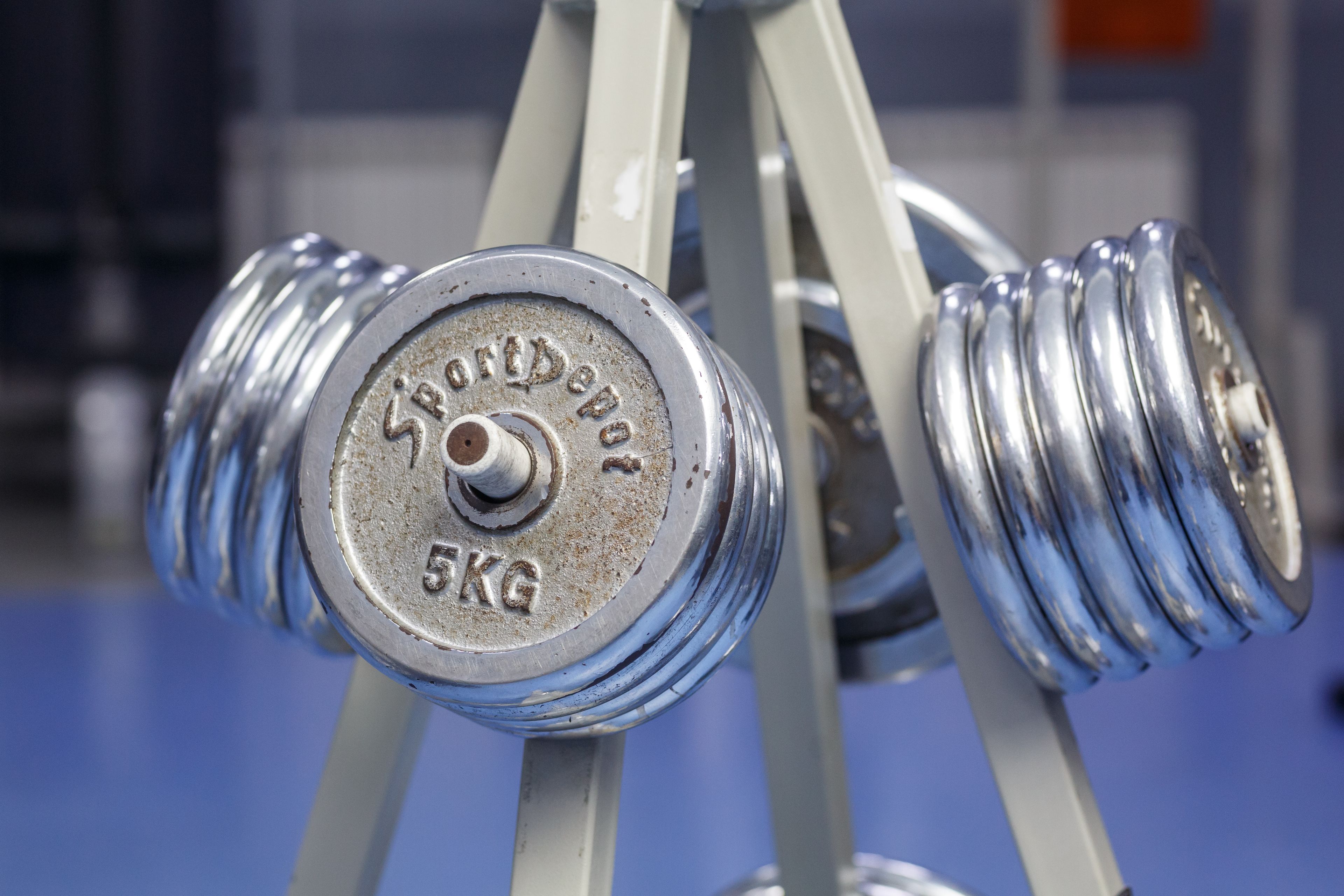
A drop set is one set taken to or near failure, followed immediately by more reps at a lighter weight—usually about 20% lighter—with no rest. Research shows drop sets build roughly the same muscle and strength as regular sets in half to a third of the time. The catch is that they feel much harder, so use them sparingly alongside sound hypertrophy training: sets, reps and progression.
What is a drop set?
A drop set is a set you take close to failure, then continue straight away with a lighter weight—often one to three times—without resting. It packs several hard efforts into one continuous set.
The method is also called a strip set, descending set, or “running the rack” with dumbbells. A “10-10-10” usually means about 10 reps at each of three weights, with no rest—a triple-drop. Other names include “down the rack” for dumbbells and “up the stack” for machines (Wikipedia’s drop set definition). The reason it can work is that reps near failure create high mechanical tension.
Do drop sets actually work?
Yes—about as well as regular sets, not better. A 2026 meta-analysis of 12 studies and 274 participants found no meaningful difference in muscle growth or strength, while drop sets felt much harder. Their real advantage is time (Havers et al., 2026).
The meta-analysis found a standardized effect size (SMD)—a way to express the size of a difference—of 0.04 for muscle growth and −0.04 for strength; values around zero indicate no difference. Perceived exertion was much higher with drop sets (SMD 1.62), and lactate was higher too.
A 2023 review of six studies and 142 participants also found similar growth, with some drop-set protocols taking half to a third as long (Sødal et al., 2023). In trained men over 12 weeks, muscle cross-sectional area rose similarly with traditional sets, crescent pyramids, and drop sets: 7.6%, 7.5%, and 7.8%, respectively (Angleri et al., 2017).
A small six-week study found more triceps growth from one drop set than three regular sets, but it had only eight participants per group, and strength gains favored regular sets (Fink et al., 2018). That result is interesting, but the broader evidence does not show that drop sets produce extra growth.
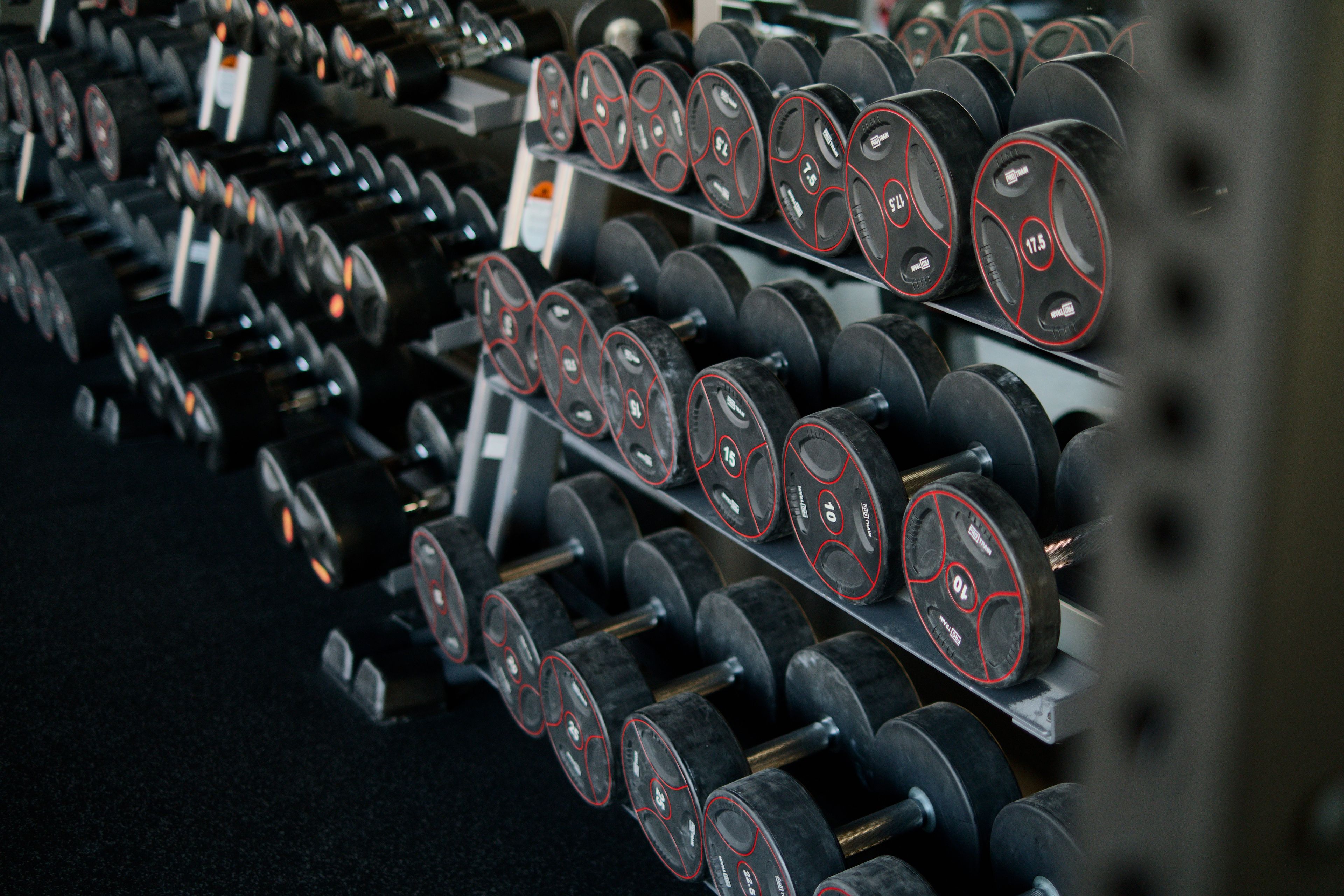
How do you do a drop set? (step by step)
Choose a machine, cable, or dumbbell exercise, do your normal last set to about one rep short of failure, then cut the weight by about 20% and go again without resting. Repeat for one or two more drops, then stop.
- Choose a machine, cable, dumbbell, or isolation exercise; avoid heavy barbell lifts.
- Do your normal sets first; extend or replace only the last one.
- Use your usual working weight and rep range, stopping at 0–1 reps in reserve.
- Drop about 20% within roughly 10 seconds.
- Go near failure again; one or two drops total are usually plenty.
- Stop if reps fall to about 4–5 per drop; more is likely extra fatigue.
- Progress the first segment: when it reaches the top of your rep range, add weight next session.
Studies commonly used one to three drops of about 20% each, and the review notes that machines offer stability when training close to failure (Sødal et al., 2023).
What does a drop set look like with real weights?
On a machine chest press, if your last set is 150 lb (68 kg) for 10 reps, a double drop could be 150 lb × 10, 120 lb (54 kg) × about 7, then 95 lb (43 kg) × about 6. The rep counts are practical examples, not study results.
- Dumbbell lateral raise: 25 lb (11 kg) × 12 → 20 lb (9 kg) × about 8 → 15 lb (7 kg) × about 7.
- Cable triceps pushdown: 70 lb (32 kg) × 12 → 55 lb (25 kg) × about 8.
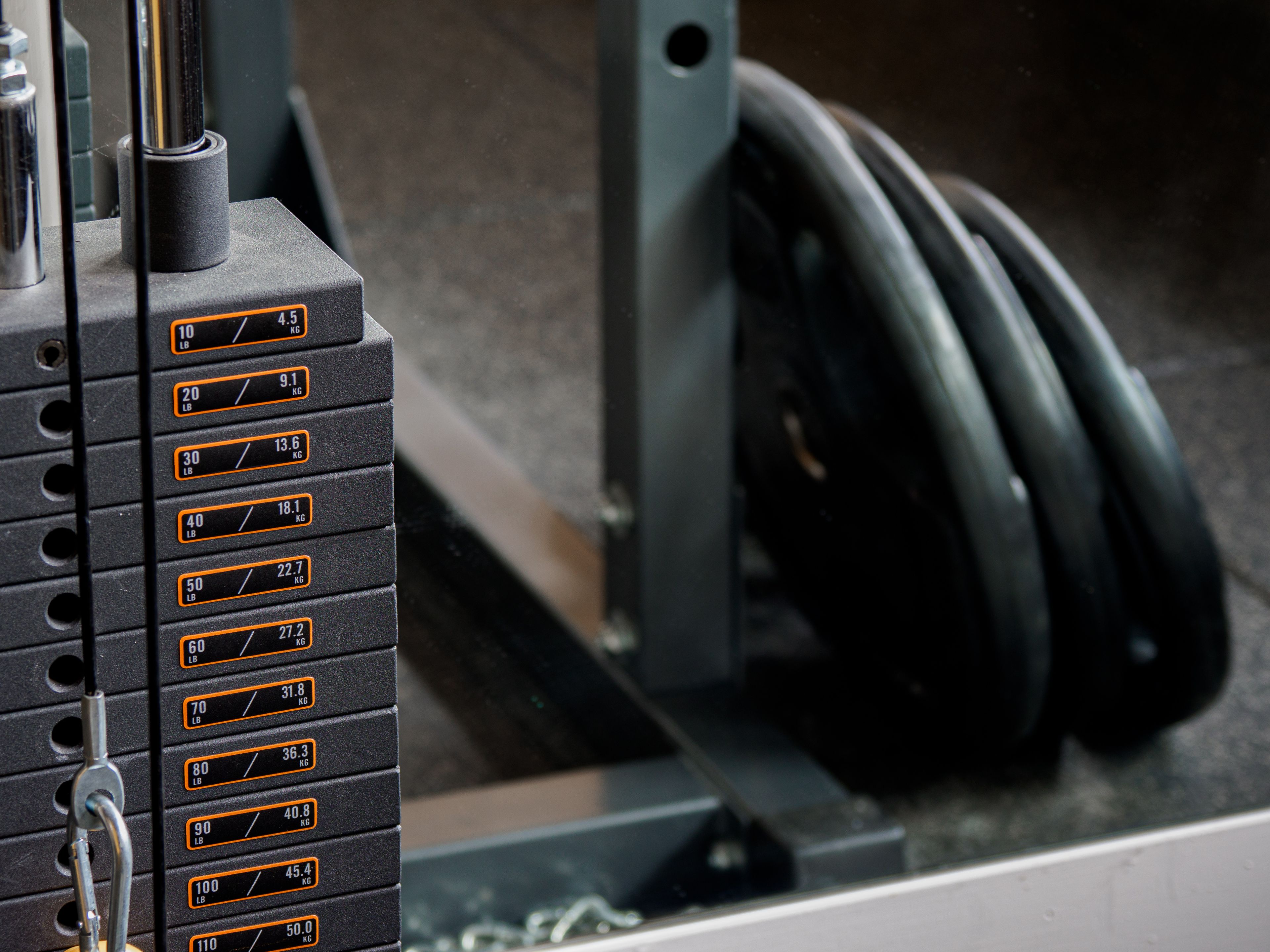
When should you use drop sets?
Use drop sets when you’re short on time, want extra work for a lagging muscle, or are finishing an isolation exercise. They are most useful when fitting the work into fewer minutes matters more than keeping each set comfortable.
- Use them for side delts, arms, or calves when you want focused extra work.
- Put them on the last exercise of the day, rather than spending them on every movement.
- Consider a short-term drop set for one muscle when you want a little more volume without a longer session.
- If time is the constraint, compare them with myo-reps, another time-efficient technique, and review how long a workout should be.
In studies summarized by Sødal and colleagues, one drop-set protocol took 145 seconds versus 316 seconds for traditional sets; another took 2.1 minutes versus 6.8 minutes (Sødal et al., 2023).
When are drop sets junk volume?
Drop sets become junk when they add fatigue without filling a gap: on heavy barbell lifts, on every set, on top of already-high volume, or instead of adding weight over time. If your regular sets haven’t improved in months, drop sets won’t solve the stall.
- On heavy squats, deadlifts, or bench presses, technique can break down near failure and fatigue can spill into later sessions.
- Used everywhere, drop sets mean much higher effort without extra growth; you pay more for the same result.
- If you already do many sets per muscle per week and aren’t recovering, more drop sets can deepen the hole. Check whether you’re overtrained or just under-recovered.
- A stall often calls for a progression rule, enough hard sets, or better recovery—not another intensity technique.
| Question | Drop sets | Regular straight sets |
|---|---|---|
| Muscle growth | Similar (SMD 0.04 difference) | Similar |
| Strength | Similar (SMD −0.04) | Similar; better for practicing heavy lifts |
| Time per exercise | About half to a third in some protocols | Longer, with rest between sets |
| How hard it feels | Much harder (RPE SMD +1.62) | Easier per set |
| Best exercises | Machines, cables, dumbbells, isolation | Everything, including heavy barbell lifts |
| Main risk | Junk fatigue if overused | Long sessions |
These comparisons come from a 2026 meta-analysis of 12 studies and 274 participants and a 2023 review of six studies and 142 participants (Havers et al., 2026; Sødal et al., 2023).
If you’re reaching for drop sets because nothing is growing, intensity may not be the missing piece. Find out what’s really stalling your growth: check dose, recovery, food, and progression to see which deserves attention first.
FAQ
Do drop sets actually work?
Yes, about as well as regular sets. A 2026 meta-analysis of 12 studies found no meaningful difference in muscle growth or strength, though drop sets felt much harder (Sports Medicine – Open, 2026). Their advantage is time, not extra growth.
What is a drop set 10 10 10?
It usually means a triple-drop: about 10 reps at one weight, then about 10 at a lighter weight, then about 10 at a lighter one again, without resting. Use weights that bring each segment close to failure; if all three feel easy, start heavier.
How much weight should you drop in a drop set?
About 20% per drop is common in the research, with one to three drops used (Sødal et al., 2023). Bigger drops let you do more reps, while smaller drops keep the load heavier. One or two drops are enough for most sets.
Should I do drop sets every workout?
Not on every exercise. They raise perceived effort sharply without adding growth over regular sets, so overuse mainly adds fatigue. Use them on the last set of one or two isolation or machine exercises, or when you’re short on time.
Written and maintained by LiftDecode. Training and nutrition education for healthy adults, not medical advice — if you have a health condition or an injury, talk to a professional who can examine you.