Signs of Overtraining: Overtrained or Just Under-Recovered?
Signs of overtraining in lifters, and how to tell rare overtraining syndrome from common under-recovery: a symptom table, a 1-week test, when to see a doctor.
- Published
- Reading time
- 7 min
- By
- LiftDecode
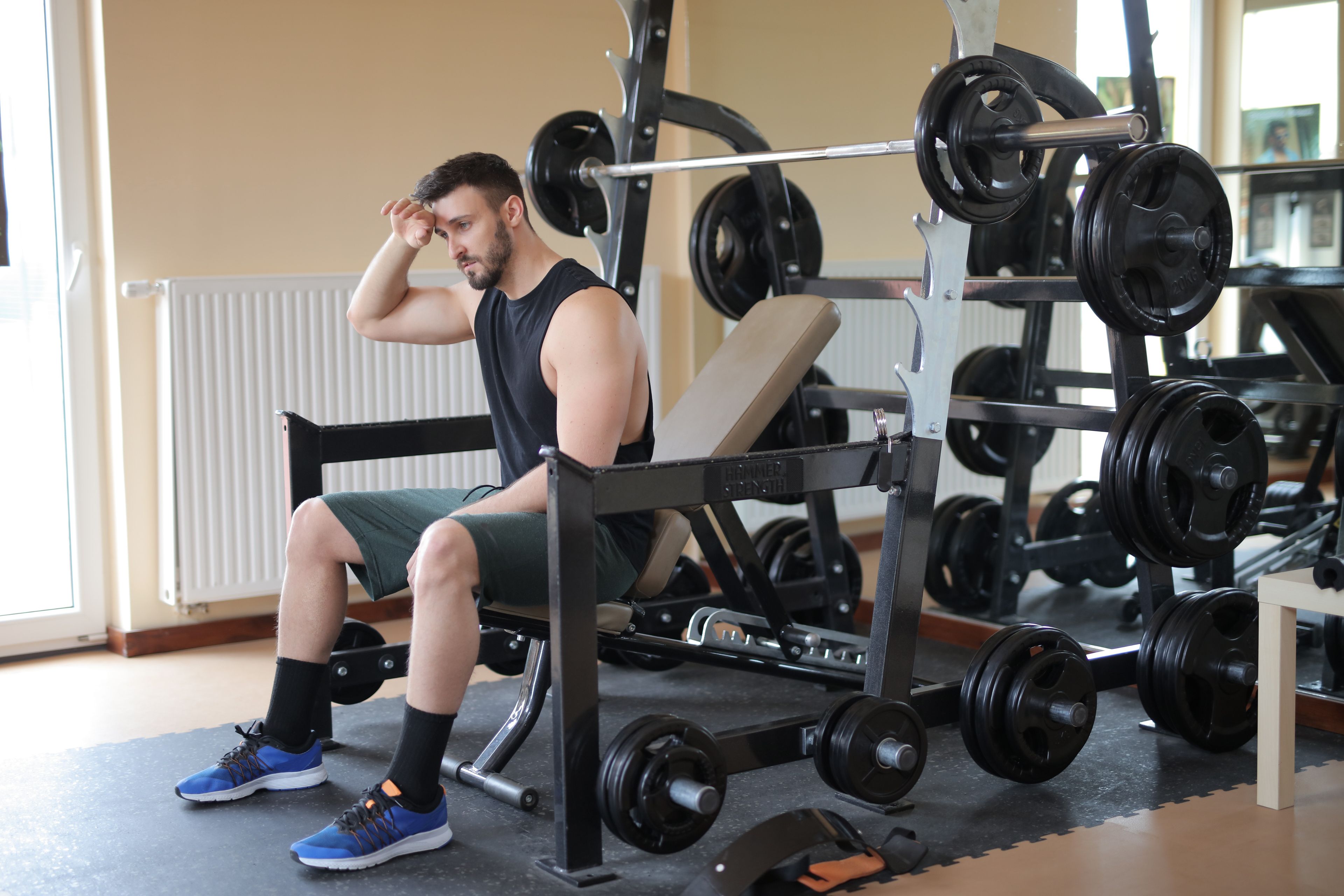
The main signs of overtraining are performance that keeps falling despite rest, persistent fatigue, poor sleep, low mood, and lost motivation. True overtraining syndrome is rare in lifters. If your lifts bounce back after an easy week, you were under-recovered or overreached, not overtrained; the fix is more sleep and food, or fewer hard sets.
What are the signs of overtraining?
The defining sign is a performance drop that lasts despite rest. Clinicians also list fatigue, heavy muscles, disturbed sleep, low mood or anxiety, lost motivation, poor concentration, appetite and weight loss, and unusual heart rate. One bad week isn’t a sign; look for a trend.
Symptoms fall into overlapping groups (Kreher & Schwartz, 2012):
- Fatigue, low mood or depression, and low motivation
- Insomnia, restlessness, anxiety, and an unusually fast or slow heart rate
- Appetite loss, weight loss, heavy muscles, and impaired concentration
None of these symptoms alone proves overtraining. Under-recovery, illness, and other medical problems can feel the same.
Overtrained, overreached or under-recovered: what's the difference?
These conditions sit on a scale measured by how long performance stays down. Functional overreaching is a brief performance dip that clears in days to weeks; non-functional overreaching lasts weeks to months, and overtraining syndrome means a drop lasting more than about two months, with recovery measured in months (Kreher & Schwartz, 2012).
Overtraining is a decline in performance caused by excessive training without enough recovery (definition of overtraining). Many lifters fit a more everyday category: under-recovery. That’s LiftDecode’s practical label, not a clinical diagnosis, for training that outpaces recovery because sleep, food, or stress aren’t under control. Lifters may also reach for CNS fatigue to describe feeling flat, but that label doesn’t establish overtraining.
| Functional overreaching | Under-recovery (everyday) | Non-functional overreaching | Overtraining syndrome | |
|---|---|---|---|---|
| Performance | Dips briefly | Flat or slowly slipping | Down for weeks | Down for more than ~2 months |
| Recovers with | Days to weeks of easier training | Fixing sleep, food, stress, or dose | Weeks to months of rest | Months; medical guidance |
| Other symptoms | Soreness, tiredness | Tiredness, low drive on bad weeks | Plus mood changes | Broader: sleep, mood, appetite, heart rate |
| How common in lifters | Common, often planned | Very common | Uncommon | Rarely documented |
| What to do | Keep going; planned deload | Fix the top leak + one easy week | Extended reduced training | See a doctor |
Separating non-functional overreaching from overtraining syndrome can be difficult, and experts say diagnosis requires ruling out disease and other causes; no single marker is universally accepted (Meeusen et al., 2013).
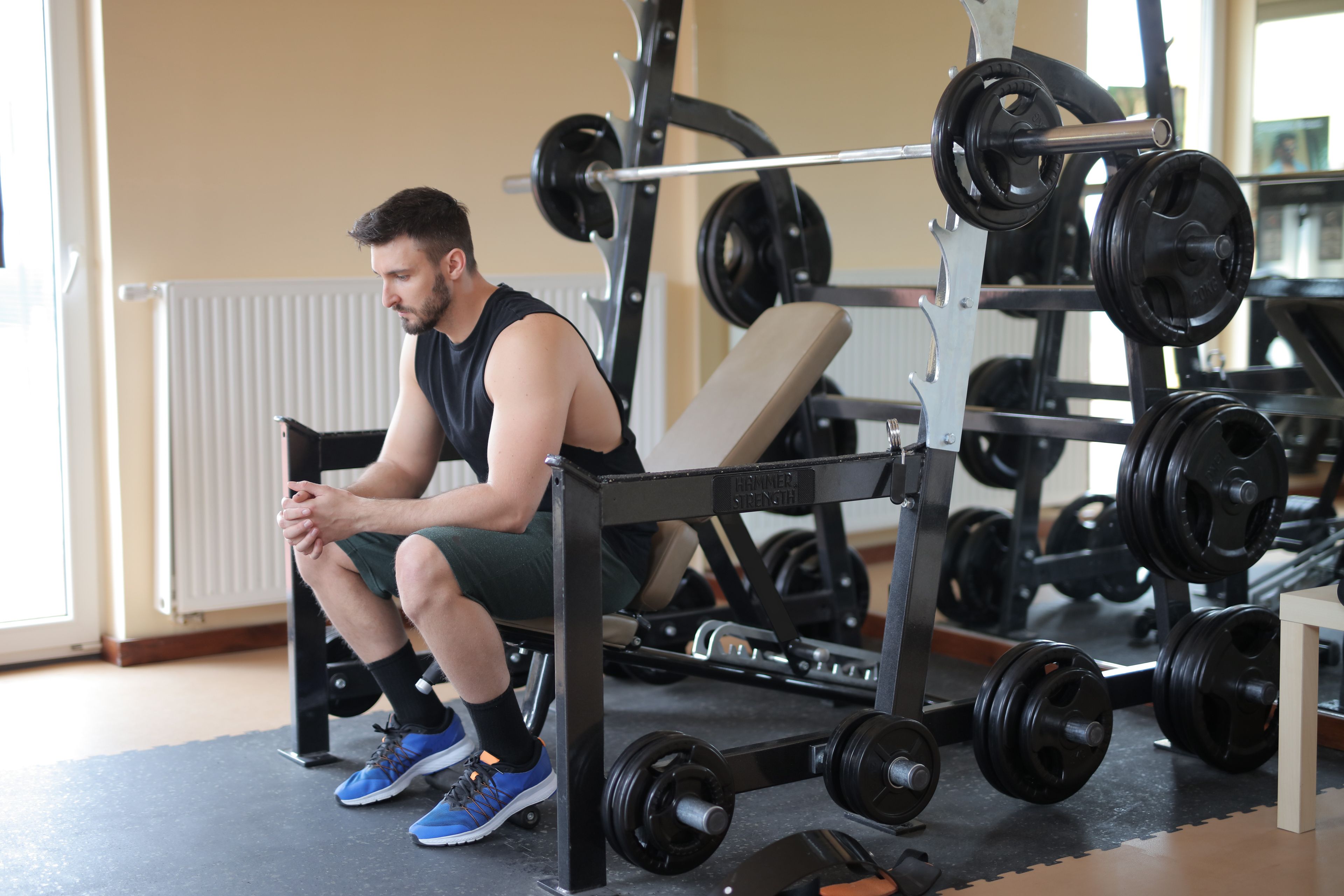
How common is overtraining in lifters?
True overtraining syndrome appears rare in lifters, as far as the research can tell. Most overtraining studies involve endurance athletes, where overreaching is common; reviews of strength-training research find little evidence of true overtraining syndrome in lifters (Bell et al., 2020).
Non-functional overreaching has been reported over a lifetime by about 60% of elite runners, and about 35% of adolescent swimmers said they had been “overtrained” at least once (Kreher & Schwartz, 2012). Those endurance figures don’t show that lifters commonly develop the syndrome.
- A review of 22 resistance-training studies found 10 with no performance decline; sustained decline is the most reliable marker (Grandou et al., 2020).
- If you feel overtrained, check under-recovery first: look at sleep, food, life stress, and training dose.
What usually causes "overtraining" feelings in lifters?
The usual causes, in order, are short sleep, eating too little, life stress, and too many hard sets without lighter weeks. The first three are recovery problems, which is why extra rest days alone may not fix them. If your progress has stalled, start with why progress stops and what to fix first.
- Short sleep. Adults ages 18–60 need at least 7 hours (CDC). One night without sleep reduced post-meal muscle protein synthesis by 18% in a study (Lamon et al., 2021). Self-check: Is your 7-night average under 7 hours?
- Eating too little. A calorie deficit can make recovery harder; experts say negative energy balance must be ruled out before diagnosing overtraining syndrome (Meeusen et al., 2013). Self-check: Is your bodyweight falling when you don’t intend it to?
- Life stress. Among 31 lifting students, higher stress was linked to slower recovery of strength, energy, fatigue, and soreness over 96 hours (Stults-Kolehmainen et al., 2014). Self-check: Has work, study, or family stress been unusually high this month?
- Too much hard volume without easier weeks. Sets to failure can pile up, especially when volume keeps creeping higher. Check how many rest days a week lifters need. Self-check: Have you gone 8 or more weeks without a planned lighter week?

How do you test whether you're overtrained? (the one-week test)
Run one planned easy week: keep the same exercises, do about half the sets with slightly lighter weights, and leave several reps in reserve. Sleep at least 7 hours and eat at maintenance. If performance and mood rebound within a week or two, under-recovery or overreaching is more likely than overtraining syndrome.
- Record a normal working set on two main lifts (weight × reps) and rate your energy from 1 to 10.
- Deload for 5–7 days: do fewer sets, use lighter loads, and avoid failure.
- Fix the biggest recovery leak you found above during that week.
- Retest the same sets in week 2. If you’re back to baseline or better, resume with a smaller dose and planned lighter weeks.
- If you’re still clearly worse after 2–3 weeks of reduced training, stop and see a doctor.
A survey of 246 strength and physique athletes found they deloaded for about a week every 5–6 weeks on average (Rogerson et al., 2024). A couple of days off may not be enough to judge: after 10 sets of 5 back squats at 80% of max, fatigue took up to 72 hours to resolve (Thomas et al., 2018). See how to run a deload week for a practical template.
When should you see a doctor?
See a doctor if performance and energy stay down for more than two to three weeks despite reduced training, or if fatigue comes with unexplained weight loss, an unusual resting heart rate, frequent illness, or low mood that doesn’t lift. This is especially important because symptoms attributed to overtraining can have other causes.
- A clinician may check blood count, inflammation markers, iron studies, thyroid function, and other measures to rule out medical conditions (Kreher & Schwartz, 2012).
- True overtraining syndrome calls for medically guided rest or relative rest, with recovery measured in months.
- Persistent low mood deserves professional help whether or not training is involved.
If the one-week test shows you bounce back, something was draining your recovery: sleep, food, stress, or a training dose that was too large for the recovery you had. Often, more than one factor is involved. Find out which recovery leak is yours with quick, one-tap questions about training, eating, sleep, and stress that rank what to address first.
FAQ
What are 5 symptoms of overtraining?
A lasting performance drop despite rest, persistent fatigue, disturbed sleep, low mood or irritability, and lost motivation are five signs clinicians list (Kreher & Schwartz, 2012). Appetite and weight loss, heavy muscles, and poor concentration may also occur. Short sleep, dieting, stress, or illness can cause similar feelings.
How long does overtraining syndrome last?
By definition, performance is down for more than about two months, and recovery can take months (Kreher & Schwartz, 2012). Functional overreaching clears in days to weeks; non-functional overreaching lasts weeks to months. If one easy week fixes your performance, you weren’t overtrained.
How do I recover from overtraining?
For the common case, take an easy week with fewer, lighter sets, sleep at least 7 hours, eat at maintenance or above, and reduce the hard volume that outpaced your recovery. If performance stays down after two to three weeks of reduced training, see a doctor before returning to hard training.
Can you overtrain lifting weights?
You can overreach: short blocks of high volume or intensity can produce a performance dip. But a review of 47 studies found minimal evidence that true overtraining syndrome has occurred in strength sports or resistance training (Bell et al., 2020). For most lifters, “overtraining” is under-recovery.
Written and maintained by LiftDecode. Training and nutrition education for healthy adults, not medical advice — if you have a health condition or an injury, talk to a professional who can examine you.