Why Am I Not Gaining Weight? The Lifter's Checklist
Why am I not gaining weight when I eat a lot and lift? Seven causes ranked, a self-check for each, and how fast the scale should move for a skinny lifter.
- Published
- Reading time
- 7 min
- By
- LiftDecode

If you lift, feel like you eat a lot, and the scale has not moved in weeks, you are eating at maintenance on average, even if some days feel huge. The usual reasons are big days canceled by small ones, food that fills you before it adds up, and a body that burns part of the extra. Each is fixable.
Why am I not gaining weight if I eat so much?
Bodyweight rises only when intake beats expenditure over weeks, not on one big day. If your seven-day average weight is flat, your average intake matches what you burn, however full you feel. That’s a measurement you can change, not a verdict on your genetics.
It’s easy to remember the huge meals and forget the skipped lunch or busy Tuesday. The checklist below ranks the common intake leaks first, less visible energy output and measurement issues next, and medical causes last.
| # | Cause | Self-check | Fix |
|---|---|---|---|
| 1 | Big days canceled by small ones | Log three days: training, busy, weekend. Is one 1,000+ kcal lower? | Fixed meal times, 4–5 eating occasions, a backup meal |
| 2 | Appetite compensates for solid add-ons | Big snack, then smaller dinner? | Put part of the surplus in a drink between meals |
| 3 | Food too filling per calorie | Mostly lean protein, vegetables, plain starch; stuffed but under target? | Denser foods: whole milk, nut butter, oils, granola, dried fruit |
| 4 | Body burns part of the surplus (NEAT) | Added 300 kcal/day for three weeks, but the seven-day average is flat? | Add 200–300 kcal more; recheck in 2–3 weeks |
| 5 | Activity went up | More sport, cardio, or steps than when you last gained? | Eat for it or trim it |
| 6 | Scale read wrong | Single weigh-ins at random times? | Weigh every morning; compare seven-day averages |
| 7 | Medical cause (rare) | Losing weight unintentionally; 10 lb (4.5 kg) or 5% in 6–12 months? | See a doctor |
For more stalled-progress fixes, start with why progress stops and what to fix first.
1. Are your big days canceled by small ones?
The most common reason is inconsistency: a huge Sunday and a skipped-lunch Wednesday can average out to maintenance. The weekly total is what counts, so a moderately bigger intake every day beats heroic meals twice a week.
Self-check: Log everything for three days: a training day, a busy workday, and a weekend day. If one day is 1,000 or more kcal below the others, you’ve found a leak.
Fix it with fixed meal times, four or five eating occasions, and a default backup meal for busy days. Lifters can spread protein over 3–6 meals (Iraki et al., 2019).

2–3. Is your appetite canceling the extra food?
Often, yes. A big solid snack can lead you to eat less later without noticing, while bulky, lean meals fill your stomach before they build a surplus. Drinks and denser foods can get around both problems.
- Appetite compensation: In a small crossover study, 15 adults added about 450 kcal from jelly beans or soda daily for four weeks. They compensated for 118% of the solid calories by eating less, but not at all for the liquid calories (−17%, meaning they ate slightly more); bodyweight rose only during the liquid period (DiMeglio & Mattes, 2000). Self-check: Do big snack days lead to smaller dinners?
- Low energy density: People tend to eat a consistent weight of food, so low-calorie meals can fill you before they add up (Rolls, 2009). Protein is generally more filling than carbs or fat (Paddon-Jones et al., 2008). Self-check: Are you mostly eating lean protein, vegetables, and plain starch, feeling stuffed but staying under target?
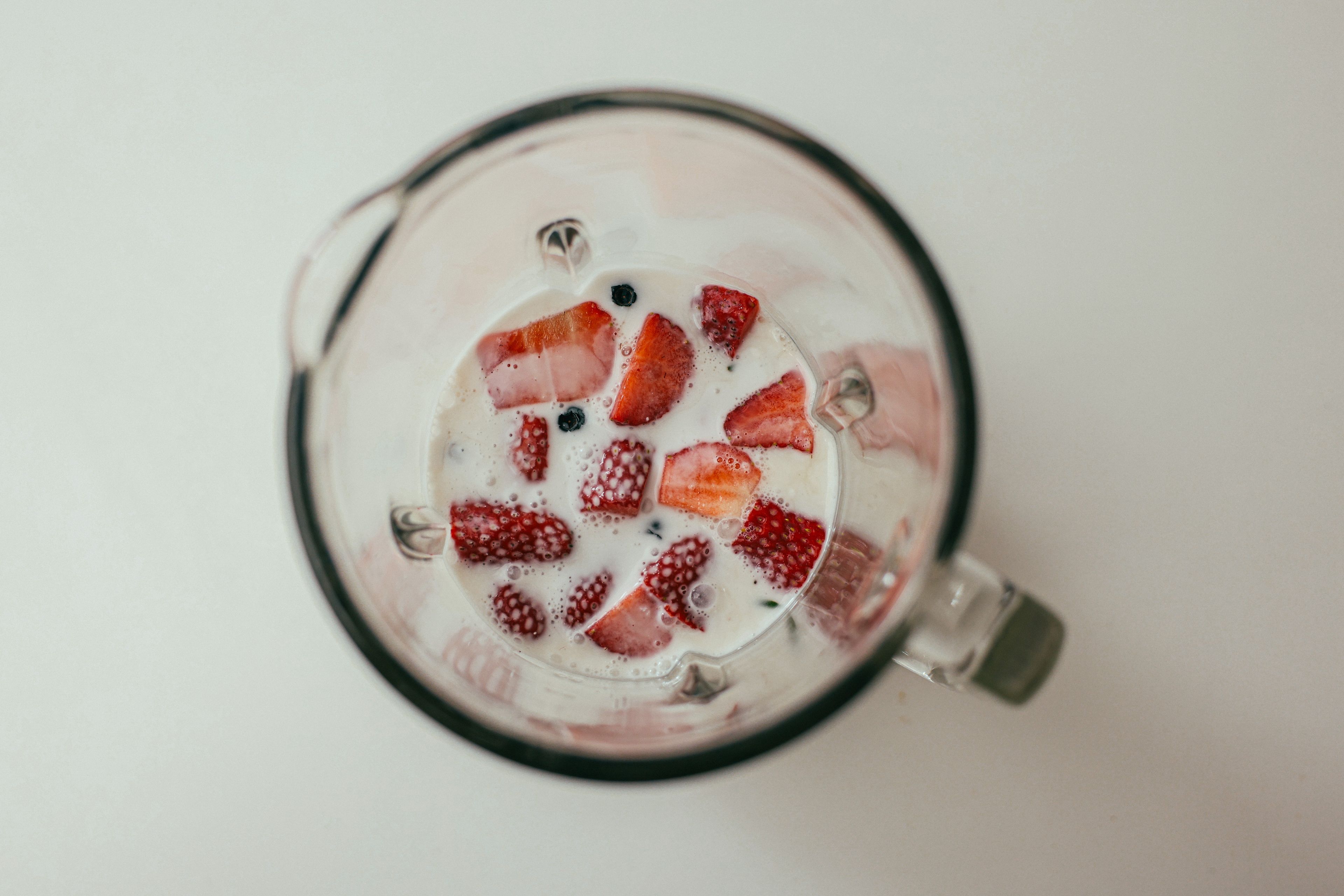
- Fix: Put some of your surplus in a drink between meals, such as milk or a homemade shake with oats and nut butter. Choose denser foods like whole milk, nut butters, olive oil on rice and vegetables, granola, dried fruit, or cheese. Keep protein around 0.7–1 g/lb (1.6–2.2 g/kg) rather than pushing it higher; extra protein stopped adding lean mass at about 1.6 g/kg/day (Morton et al., 2018). Liquid calories can complicate dieting, but they’re a useful tool when you’re trying to gain.
4. Is your body burning off part of the surplus?
Yes, by very different amounts in different people. Many people move more without noticing when they overeat, burning off part of the surplus. That’s the grain of truth in “fast metabolism”: your surplus may need to be bigger than a calculator predicts, but it still works.
- NEAT means energy burned through everyday movement outside of exercise, such as walking or standing (definition). In a study of 16 adults overfed 1,000 kcal daily for eight weeks, two-thirds of the increase in daily energy expenditure came from NEAT, which explained tenfold differences in fat storage (Levine et al., 1999).
- Identical twins given the same overfeeding gained from 9.5 to 29 lb (4.3–13.3 kg), with gains more similar within twin pairs. Everyone gained, but the amount varied (Bouchard et al., 1990). See why skinny guys struggle to gain for more on individual differences.
- Self-check: If you added about 300 kcal a day for three weeks and your seven-day average didn’t move, add another 200–300 kcal and hold it for 2–3 weeks.
5–7. Activity, weighing and when to see a doctor
Three smaller causes finish the checklist: extra activity you haven’t eaten for, a weighing routine that hides real change, and, rarely, a medical reason. The first two are quick to rule out; the third deserves a doctor.
- Activity went up: A new sport, conditioning, or walking job can raise what you burn. Compare this month’s activity with the month you last gained; eat for the added activity or trim it. For more context, read whether cardio really kills gains.
- The scale read wrong: Weigh daily at the same time, after waking and using the bathroom. Compare seven-day averages rather than reacting to single readings.
- Medical cause: MedlinePlus lists an overactive thyroid, undiagnosed diabetes, and celiac disease among causes of unintentional weight loss (MedlinePlus). See a doctor if you’re losing weight without trying, or have lost 10 lb (4.5 kg) or 5% of your bodyweight in 6–12 months without knowing why.
How fast should the scale move when you're trying to gain?
Aim for about 0.25–0.5% of your bodyweight per week: roughly 0.4–0.75 lb (0.2–0.35 kg) at 150 lb (68 kg). Start about 350–500 kcal above maintenance and adjust every 2–3 weeks. Faster gain mostly adds fat.
- Find maintenance: log intake while your weight stays stable for two weeks, or use the bulking calorie calculator.
- Add about 350–500 kcal each day, a starting surplus in line with recommendations (Slater et al., 2019).
- Compare seven-day weight averages every 2–3 weeks.
- Below target? Add 150–250 kcal daily. Above target? Remove 150–250 kcal.
The 0.25–0.5% weekly target and a 10–20% surplus are recommended for novice and intermediate lifters (Iraki et al., 2019). A larger surplus can overshoot: among 39 elite athletes, the group counseled to eat more gained more bodyweight and 15% fat mass versus 3%, with no difference in lean-mass gain (Garthe et al., 2013). See how to lean bulk without getting fat.
If your weight is rising but muscle isn’t, look at progression, effort, and weekly training sets.
Once the scale is moving at the right pace, the question changes from “why am I not gaining weight?” to “is it muscle?” That depends on training and recovery. See what's holding your gains back with a check of both your eating and training, so you can identify the first bottleneck.
FAQ
How does a skinny person gain weight?
Eat about 350–500 kcal above maintenance each day, not just on big days, and compare seven-day average weight every two to three weeks. Aim for 0.25–0.5% of bodyweight per week (Iraki et al., 2019). Use denser foods and a drink between meals, and lift with a progression plan.
What disease makes you not gain weight?
Conditions such as an overactive thyroid, undiagnosed diabetes, and celiac disease can cause weight loss (MedlinePlus). Most lifters who can’t gain are eating at maintenance. If you’re losing weight without trying, or lost 10 lb (4.5 kg) or 5% in 6–12 months without explanation, see a doctor.
What is the worst kind of food for gaining weight?
For someone trying to gain, the challenge is bulky, low-calorie food eaten in large amounts: big salads, broth soups, plain vegetables, and very lean protein. People tend to eat a consistent weight of food (Rolls, 2009), so these foods can fill you before they add up.
Is "fast metabolism" real, or am I just not eating enough?
Both. Identical twins overfed the same 1,000 kcal a day gained anywhere from 9.5 to 29 lb (4.3–13.3 kg) (Bouchard et al., 1990), showing that people differ. But everyone in that study gained. A “fast” metabolism means your surplus may need to be bigger, not that gaining is impossible.
Written and maintained by LiftDecode. Training and nutrition education for healthy adults, not medical advice — if you have a health condition or an injury, talk to a professional who can examine you.