Strength Training for Women Over 50: How to Keep Progressing
Strength training for women over 50: why heavy lifting is safe when built up, why progress stalls after menopause, and a 3-day plan that keeps weights rising.
- Published
- Reading time
- 7 min
- By
- LiftDecode
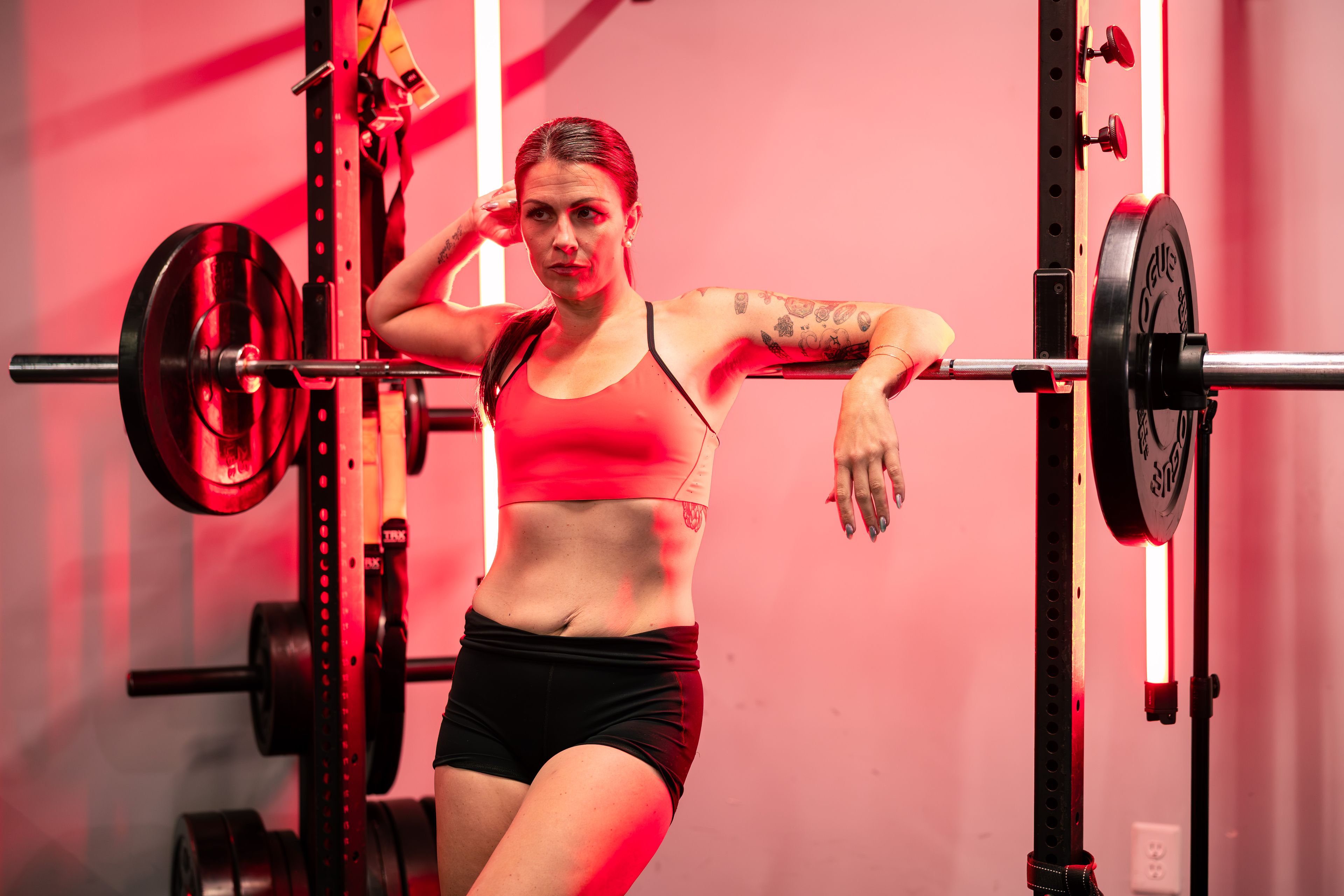
Strength training for women over 50 works best when it keeps getting heavier. After menopause, bone and muscle are easier to lose and slower to rebuild, yet supervised heavy lifting has improved spine bone density in postmenopausal women. Train two or three times a week, add weight on a schedule, and eat protein at every meal.
What changes for strength training after menopause?
The fastest bone and muscle losses happen in the few years around the final period; after that, they slow but don’t stop. By 50-plus, about one woman in five has osteoporosis, so the job is to rebuild and keep strength, not just maintain it.
- In U.S. data, osteoporosis affected 19.6% of women 50 and older, compared with 4.4% of men; rates were 13.1% for women 50–64 and 27.1% for women 65 and older (CDC NCHS Data Brief 405).
- Bone loss slows about two years after the final menstrual period, but does not stop (Greendale et al., 2012).
- Fat gain and lean mass loss also slow after that transition. You’re past the steepest drop, and training can help push your strength in the other direction (Greendale et al., 2019).
You can still make progress. Start with how to gain muscle when it’s stopped coming easy, then make your training ask for more over time.
Is heavy lifting safe for women over 50?
When you build up gradually and use good technique, heavy lifting can be safe. In the LIFTMOR trial, postmenopausal women with low bone mass lifted heavy sets of five twice a week for eight months, improved spine bone density and function, and reported one minor adverse event (Watson et al., 2018).
- The trial included 101 women, average age 65, in supervised 30-minute sessions twice a week.
- Training used five sets of five at more than 85% of one-rep max, plus impact training.
- Lumbar spine bone density rose 2.9% versus a 1.2% decline in the control group; femoral neck density rose 0.3% versus a 1.9% decline.
The study was carefully supervised and built up gradually. If you’ve been diagnosed with osteoporosis or had a fracture from a minor fall, get medical guidance and coached supervision before heavy loading.
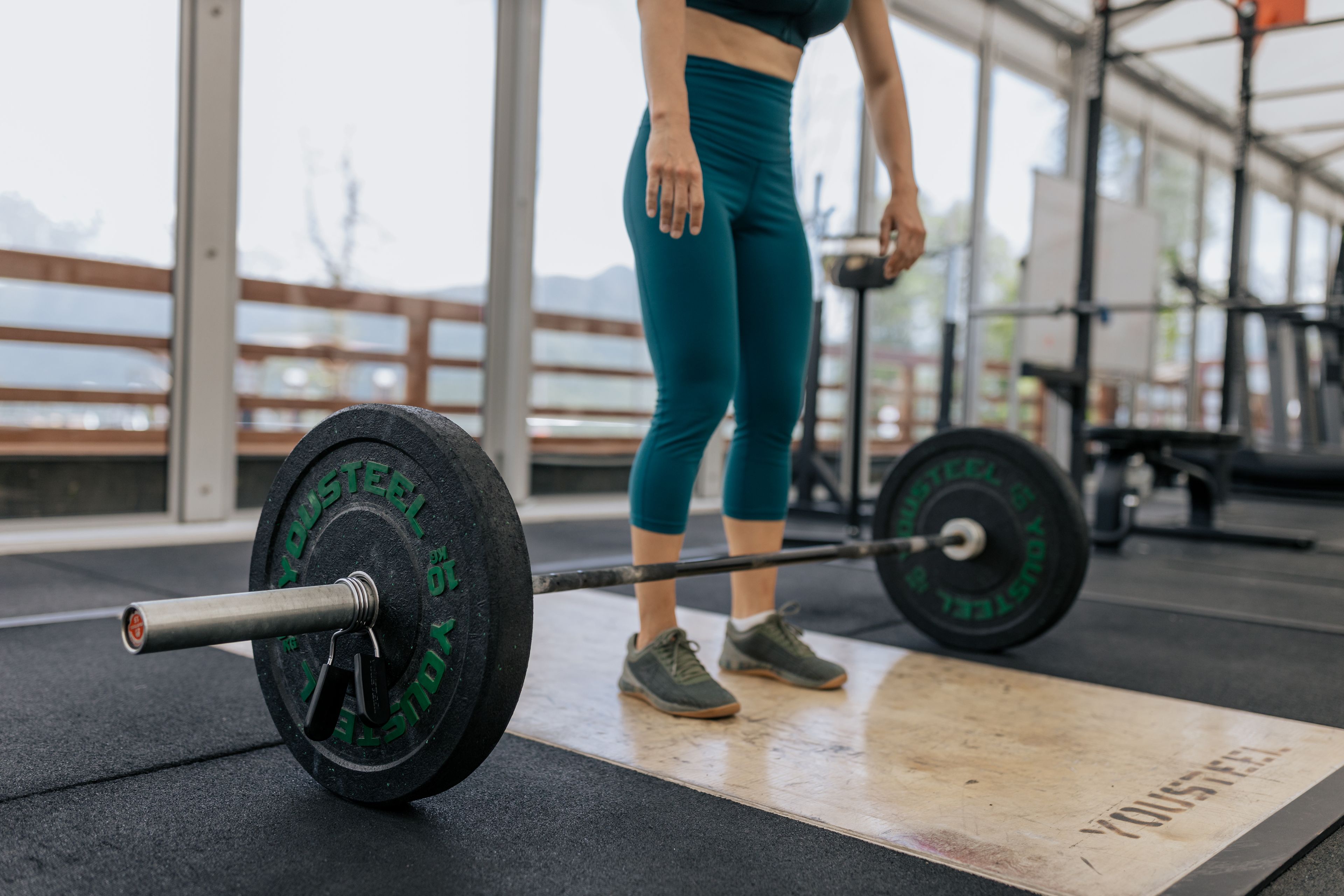
Why do women over 50 stop making progress?
Usually, the program stopped asking for more: the same weights for months, too few hard sets per muscle, and not enough protein. Postmenopausal women can still gain strength readily, but visible muscle may take more work and patience than it did at 40.
In a 12-week supervised trial, postmenopausal women improved strength and balance as much as pre- and perimenopausal women (Med Sci Sports Exerc, 2025). In a small 20-week trial, all participants improved squat and bench strength, but measurable muscle growth appeared only in premenopausal women (BMC Women’s Health, 2023). That’s a reason to allow more time and weekly training, not a reason to conclude lifting doesn’t work.
Common stalls, in order:
- Your weights never increase.
- Your sets stop far from failure.
- You do too few weekly sets per muscle.
- You get too little protein at breakfast and lunch.
Often, you may have more than one of these. A closer look can help you decide what to adjust first. For more on strength versus size, see building muscle after 50.
How do you keep progressing after 50?
Use a written rule for adding weight, a heavy day for your main lifts, and about 8–12 hard sets per muscle each week. When every set beats your target by one or two reps, raise the load about 2–10%, following the ACSM progression guidance.
LiftDecode’s three-day progression plan for women over 50
| Day | Exercise | Sets × reps | Reps in reserve | Progress when… |
|---|---|---|---|---|
| 1 – Heavy lower | Goblet squat → back squat | 4 × 5–6 | 2 | All sets hit 6 → add 5 lb (2.5 kg) |
| 1 | Dumbbell bench press | 3 × 6–8 | 1–2 | All sets hit 8 → next dumbbell |
| 1 | Chest-supported row | 3 × 8–10 | 1–2 | All sets hit 10 |
| 1 | Hip thrust | 2 × 8–12 | 1 | All sets hit 12 |
| 1 | Farmer’s carry | 3 × 30 m | — | Heavier bells |
| 2 – Volume | Leg press | 3 × 10–12 | 1–2 | All sets hit 12 |
| 2 | Lat pulldown | 3 × 10–12 | 1–2 | All sets hit 12 |
| 2 | Seated dumbbell shoulder press | 3 × 8–12 | 1–2 | All sets hit 12 |
| 2 | Split squat | 2 × 10 each leg | 1–2 | Add dumbbells |
| 2 | Lateral raise + triceps pushdown | 2 × 12–15 each | 0–1 | All sets hit 15 |
| 3 – Heavy hinge | Trap-bar deadlift (or heavy dumbbell Romanian deadlift at home) | 4 × 5 | 2 | All sets hit 5 easily → add 5–10 lb (2.5–5 kg) |
| 3 | Incline dumbbell press | 3 × 8–10 | 1–2 | All sets hit 10 |
| 3 | One-arm dumbbell row | 3 × 10–12 | 1–2 | All sets hit 12 |
| 3 | Step-up | 2 × 8 each leg | 2 | Add dumbbells |
| 3 | Dumbbell curl | 2 × 10–12 | 0–1 | All sets hit 12 |
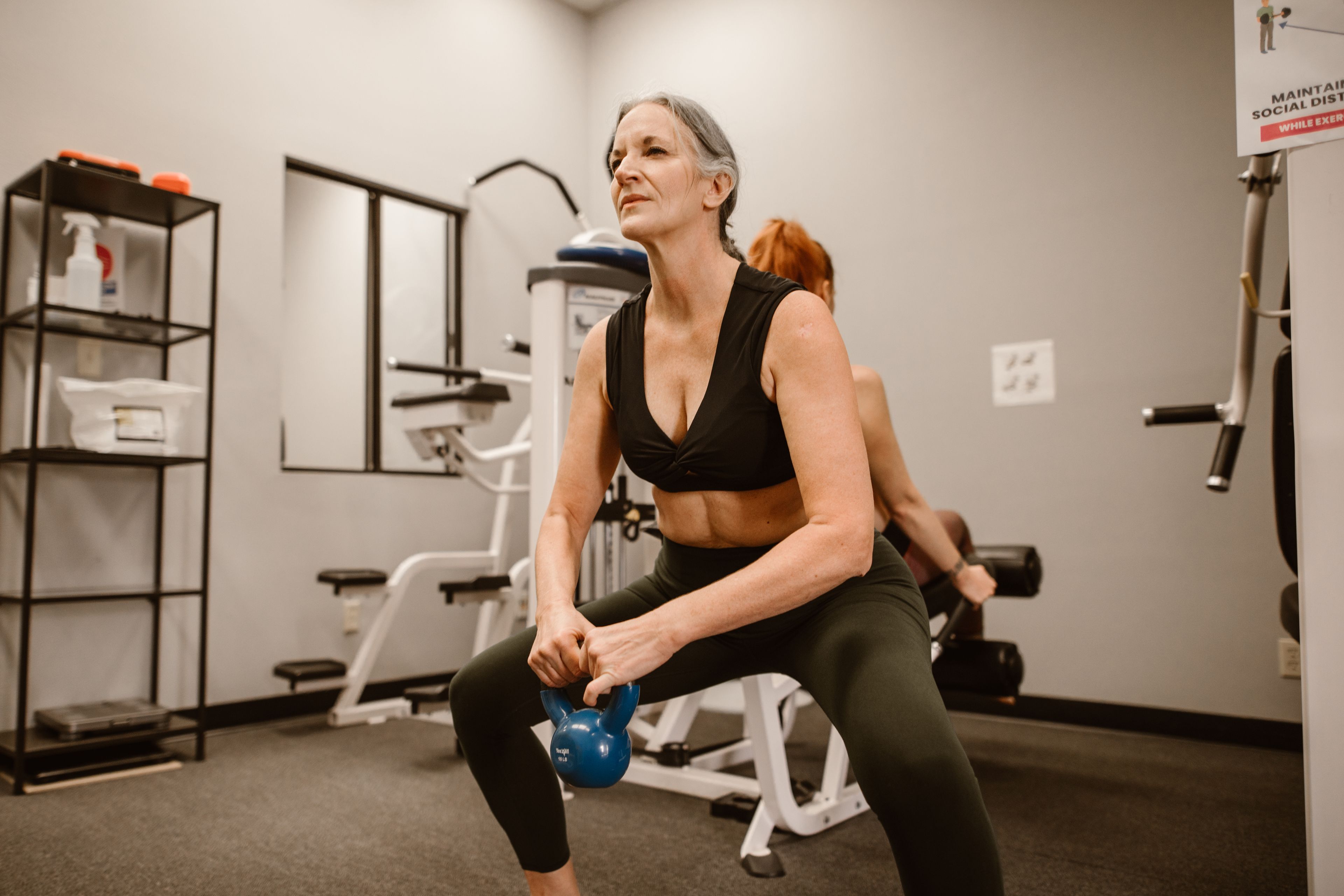
This is LiftDecode’s template, not the LIFTMOR protocol. Spend the first 3–4 weeks on lighter variations, then build toward heavy sets of five over the following months. Aim for about 8–12 weekly sets for each major muscle, using double progression and adjusting your sets per muscle group per week. At home, adjustable dumbbells or kettlebells and a bench cover the plan; use a heavy dumbbell Romanian deadlift in place of the trap-bar deadlift.
What should you eat to keep building strength after 50?
Aim for about 1.2–1.6 g of protein per kg of body weight daily (roughly 0.55–0.7 g per lb), split across three or four meals with 25–40 g each. Many women over 50 fall short at breakfast and lunch, not dinner.
- PROT-AGE recommends at least 1.2 g/kg daily for active adults over 65, with medical guidance for severe kidney disease (Bauer et al., 2013).
- A 49-trial analysis found that fat-free mass gains plateaued around 1.62 g/kg daily (Morton et al., 2018).
- About 0.4 g/kg per meal is a sensible target based on research in older men; a women-specific figure isn’t available (Moore et al., 2015).
For example, at 140 lb (64 kg), aim for about 25 g or more per meal. If you’re losing fat, use a small calorie deficit and keep lifting heavy. Use the protein intake calculator to set a daily target.
How do you know it’s working?
Your main lifts should rise every one to three weeks for the first several months, and everyday tasks should feel easier. Muscle shape changes more slowly, so assess it every 8–12 weeks; bone density can only be measured by a scan ordered by your doctor.
- Track top sets for squat, deadlift, press, and row.
- Take waist and arm measurements monthly and photos every eight weeks.
- If the weights haven’t changed for three or more weeks despite good sessions, check your effort, weekly sets, protein, and sleep.
- Don’t use the scale as your only judge: muscle gain and fat loss can cancel each other out.
If your weights haven’t moved in months, it’s rarely just age. It’s usually a mix of loads that never increase, too few hard sets, and protein gaps. Find out which one is holding you back so you can choose what to fix first.
FAQ
How many days a week should a woman over 50 do strength training?
Two to three days is a practical target. Guidelines recommend muscle-strengthening activity at least two days a week, plus balance work (CDC). Three full-body sessions let you include a heavy lower-body day, a heavy hinge day, and a lighter volume day.
Can flabby arms be toned after 50?
Yes, but “toning” means building arm muscle and losing overall body fat. Arm exercises alone won’t burn fat specifically from your arms: MRI showed generalized rather than localized fat loss after 12 weeks of one-arm training (Kostek et al., 2007).
How much weight should a 50 year old woman lift?
Choose a load that makes the last reps hard while leaving one or two reps in reserve. When every set reaches the top of your rep range, increase the weight by one step. Your starting weight matters less than whether it rises over time; the average bench press, squat, and deadlift for women can offer context.
What are the 5 exercises everyone over 50 should be doing?
Think in five movement patterns: a squat, a hip hinge such as a deadlift, a push such as a press, a pull such as a row or pulldown, and a loaded carry. Each has easier and harder variations, so you can start light and keep progressing.
Written and maintained by LiftDecode. Training and nutrition education for healthy adults, not medical advice — if you have a health condition or an injury, talk to a professional who can examine you.