Can Fat Turn Into Muscle? What Actually Happens
Can fat turn into muscle? No, they are different tissues. What really happens when you lose fat and gain muscle, where the fat goes, and what to do first.
- Published
- Reading time
- 6 min
- By
- LiftDecode
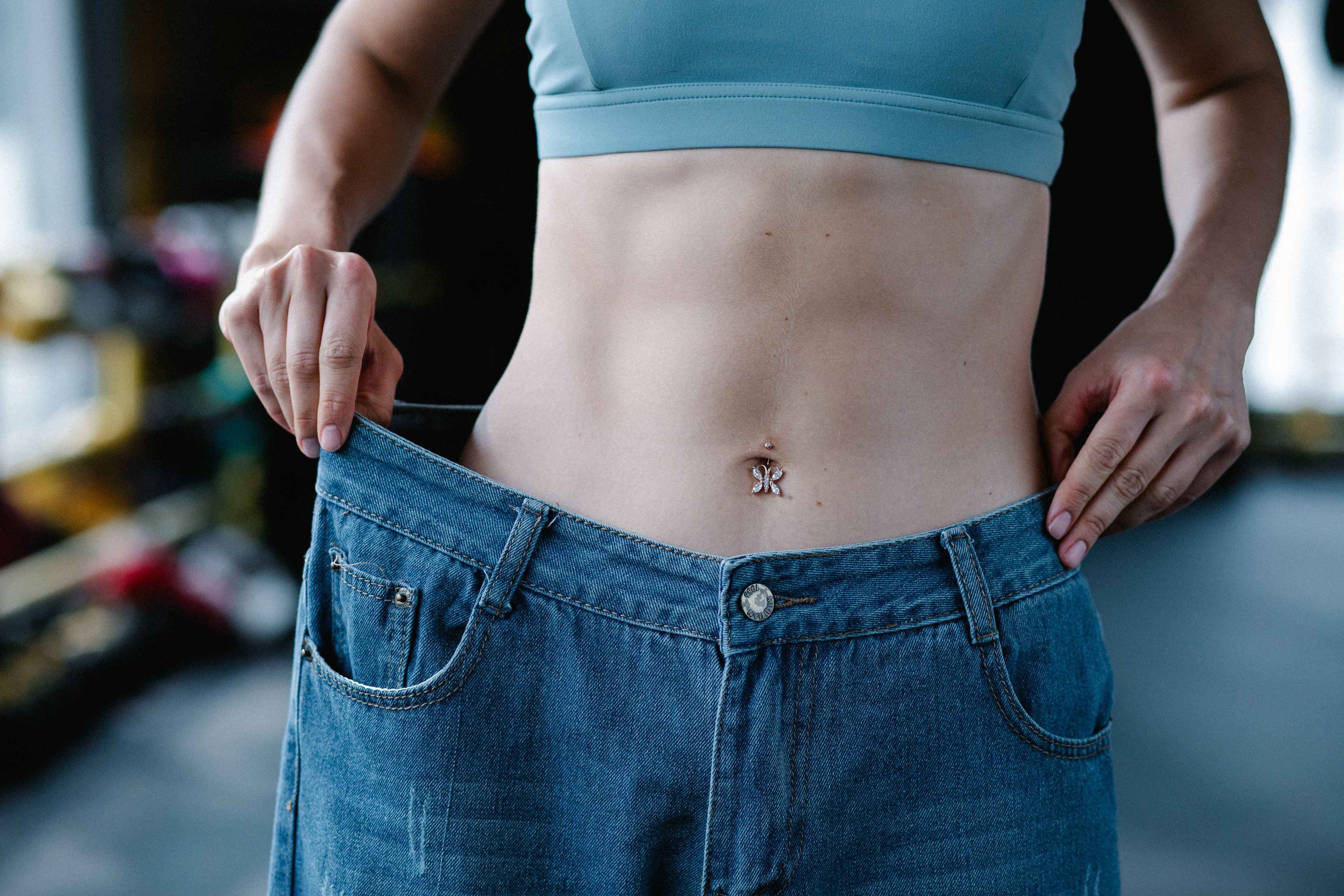
No. Fat and muscle are different tissues made of different cells, so one cannot become the other. What looks like fat turning into muscle is two separate processes happening at once: fat cells shrink as stored fat is burned and breathed out, while muscle fibers grow with training and protein.
Can fat turn into muscle?
No. Fat is stored in fat cells called adipocytes; muscle is made of long, multinucleated muscle fibers. Neither cell type converts into the other. Training shrinks one and grows the other, which is why the mirror can change faster than the scale.
Adipose tissue is connective tissue made mostly of adipocytes, whose main job is storing energy as lipids (Wikipedia: adipose tissue). Skeletal muscle fibers form when myoblasts fuse, and exercise increases the myofibrils inside existing fibers, making them larger (Wikipedia: skeletal muscle). That growth is what hypertrophy means. Think of asking whether a fuel tank can turn into an engine: they can change together, but they remain different things. For more on training when progress slows, see how to gain muscle when it’s stopped coming easy.
What happens to fat and muscle when you train and diet?
When stored fat is burned, fat cells shrink rather than disappear, and most of the fat leaves as carbon dioxide you breathe out. Separately, training plus protein makes existing muscle fibers bigger. When both happen together, that’s body recomposition.
- Fat side: Of 10 kg (22 lb) of fat oxidized, about 8.4 kg (18.5 lb) leaves as carbon dioxide through the lungs and 1.6 kg (3.5 lb) as water (UNSW Sydney, reporting Meerman & Brown).
- Fat cells: In adults, the number of fat cells stays roughly constant even after marked weight loss; about 10% are renewed each year (Spalding et al., 2008).
- Muscle side: In one four-week study, overweight men new to regular resistance training gained 1.2 kg (2.6 lb) of lean mass while losing 4.8 kg (10.6 lb) of fat on a high-protein diet (Longland et al., 2016).
That’s a striking example, not a promise of the same result for everyone. The key point is that fat loss and muscle gain have separate causes, even when they show up at the same time.

Why does it look like fat turns into muscle?
Because the scale can stay flat while your shape changes. When you gain muscle while losing fat, especially as a beginner or someone carrying more fat, bodyweight hides two opposite movements. People with more fat also tend to lose less lean tissue while dieting.
A flat scale with a smaller waist and fuller arms can be recomposition, not conversion. Starting body fat also affects what weight changes are made of: in weight gain, lean tissue makes up about 60–70% of the gain in thin people versus 30–40% in people with obesity. And the lean share of weight lost tends to be lower when starting body fat is higher (Forbes, 2000).
So carrying more fat may improve your odds of keeping or gaining muscle while cutting. If you’re already lean, a surplus tends to put more of a gain toward lean tissue. Neither pattern means fat becomes muscle.
Does muscle turn into fat when you stop training?
No. When you stop training, muscle fibers shrink; if you keep eating the same while moving less, fat can rise. Those are two separate changes. Previously trained muscle may also regrow faster when you return.
In a small study of eight men, seven weeks of training increased lean mass by 6.5%; after seven weeks off, it returned to baseline. Seven weeks of retraining brought leg lean mass to 12.4% above baseline (Seaborne et al., 2018). That’s encouraging evidence from a small study, not a guarantee.
During a training break, adjust your food intake closer to your lower activity level. That helps avoid treating your old training routine as if it were still happening.
Should you lose fat first or build muscle first?
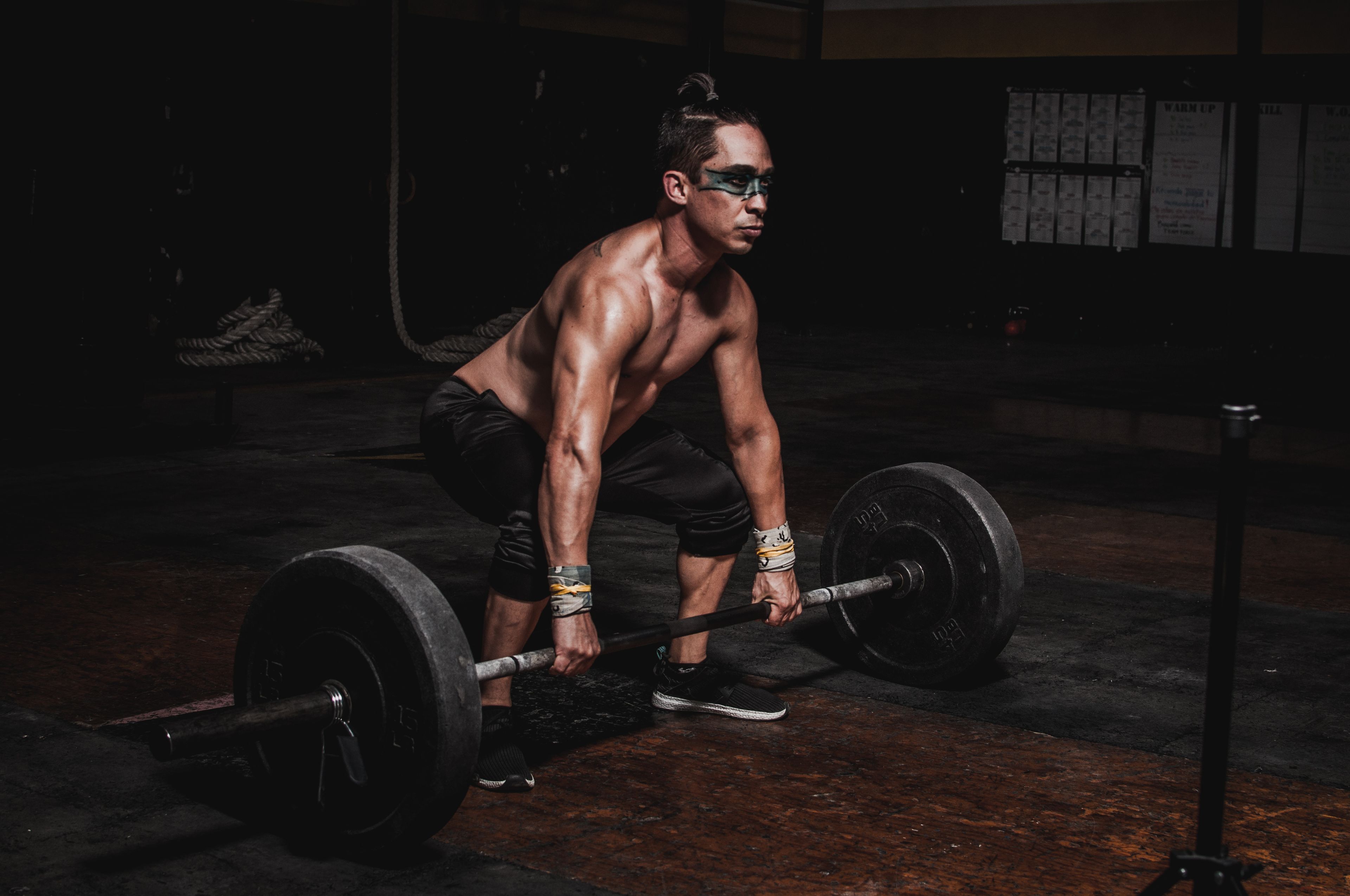
It depends on your starting point. If you have plenty of fat to lose, cut while lifting hard and you may gain muscle too. If you’re already lean, build with a small surplus. If you’re in between and stuck for months, pick one phase.
| Where you're starting | Best first move | Why |
|---|---|---|
| Plenty of fat to lose, new to lifting | Moderate deficit, hard progressive lifting, high protein | Overweight beginners gained 1.2 kg (2.6 lb) lean mass while losing 4.8 kg (10.6 lb) fat in four weeks; people with more fat tend to lose less lean tissue while dieting (Longland et al., 2016; Forbes, 2000) |
| In between (“skinny fat”) | Maintenance to a small deficit; lift hard and reassess after 8–12 weeks | Recomposition can be slower; keep any deficit under about 500 kcal/day (Murphy & Koehler, 2022) |
| Already lean | Small surplus to build, then a short cut | Leaner people tend to put more of a gain into lean tissue (Forbes, 2000) |
| Returning after a break | Train as before and eat near maintenance | Retraining raised leg lean mass to 12.4% above baseline in seven weeks (Seaborne et al., 2018) |
Progressive training and enough protein matter in every row. A deficit around 500 kcal/day impaired lean-mass gains on average in a review of studies (Murphy & Koehler, 2022). If you’re in the middle, see how to fix skinny fat, can you build muscle in a calorie deficit, and the body recomposition calculator.
Body not changing? Which half has stalled?
If your body isn’t changing, one of the two processes may not be happening, and the scale cannot tell you which. You may not be losing fat, building muscle, or either one. The fix differs, so identify which process stalled first.
- Fat loss stalled: If your waist and weekly average weight are both flat, review energy balance, including portions and weekends.
- Muscle gain stalled: If your training log and arm or thigh measurements are flat, look at effort, progression, protein, and sleep.
Fat loss and muscle gain stall for different reasons. Find out which half of your progress has stalled by looking at how you eat, train, and recover, then focus on the part that needs attention.
FAQ
Is it possible to gain muscle while losing fat?
Yes, especially if you’re new to lifting or carrying extra fat. In a four-week study, overweight beginners on high protein gained 1.2 kg (2.6 lb) of lean mass while losing 4.8 kg (10.6 lb) of fat (Longland et al., 2016). Lean, experienced lifters generally find it harder.
Is it easier to gain muscle when you're fat?
Partly. People with more fat tend to lose less lean tissue while dieting, so they may be able to build muscle while cutting. But in a surplus, leaner people put 60–70% of weight gained into lean tissue, versus 30–40% for people with obesity (Forbes, 2000).
Where does fat go when you lose it?
Mostly out through your lungs. Of 10 kg (22 lb) of fat burned, about 8.4 kg (18.5 lb) leaves as exhaled carbon dioxide and 1.6 kg (3.5 lb) as water (UNSW, reporting Meerman & Brown). The fat cells shrink rather than disappear.
Does muscle turn into fat if you stop working out?
No. Muscle shrinks when training stops, and fat can rise if you eat as before while moving less. In one small study, lean mass gained over seven weeks returned to baseline after seven weeks off, then leg lean mass regrew beyond baseline during retraining (Seaborne et al., 2018).
Written and maintained by LiftDecode. Training and nutrition education for healthy adults, not medical advice — if you have a health condition or an injury, talk to a professional who can examine you.