Can You Build Muscle in a Calorie Deficit? Who Can and Who Can't
Can you build muscle in a calorie deficit? Yes if you are new, returning or carrying fat; rarely if lean and trained. Deficit size, protein and what to do.
- Published
- Reading time
- 7 min
- By
- LiftDecode
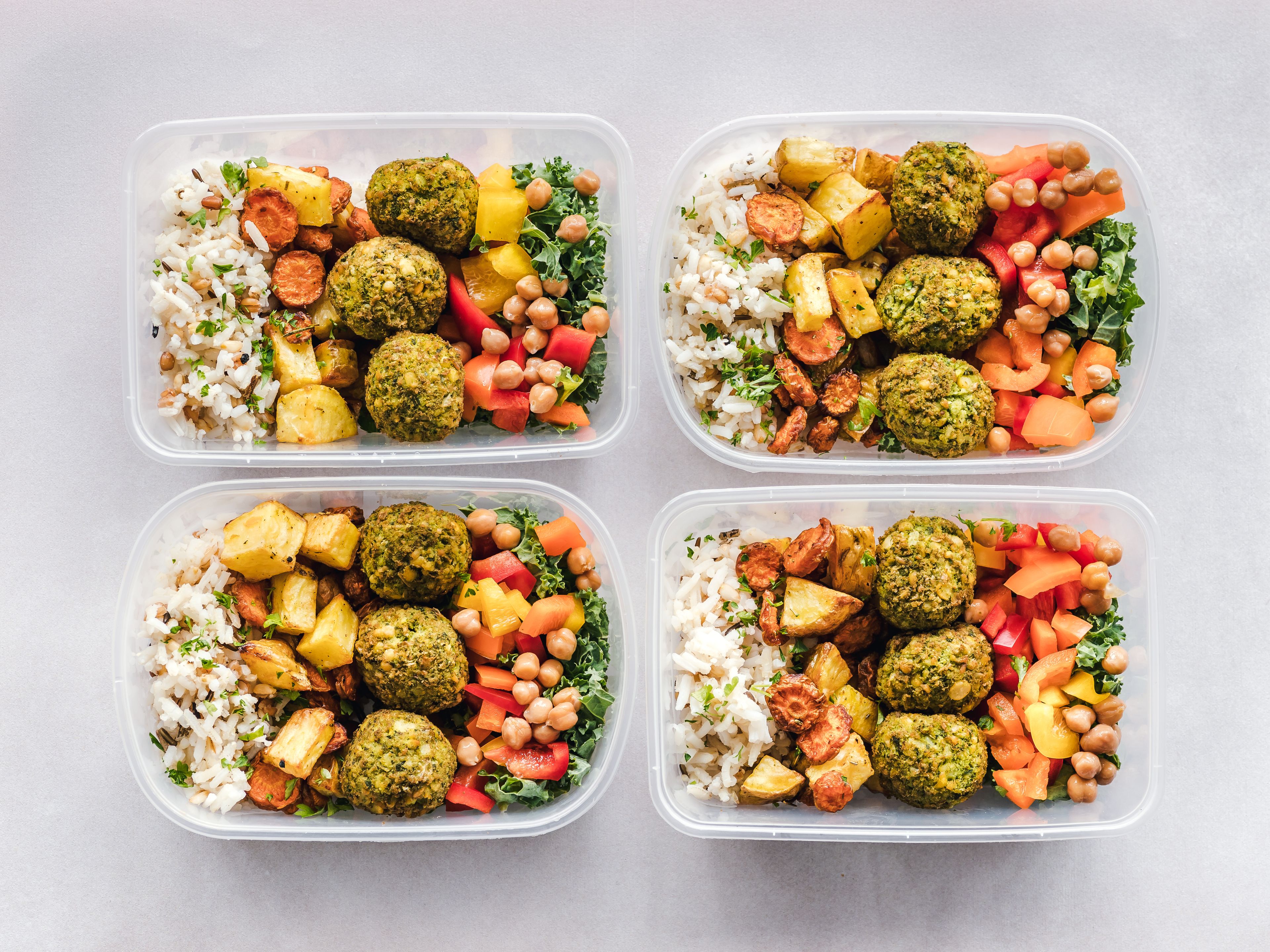
Yes, but mainly if you’re new to lifting, returning after a break, or carrying extra fat. In a four-week trial, overweight beginners on a 40% deficit and high protein gained 1.2 kg of lean mass. Lean, experienced lifters rarely manage it, and across studies a deficit of about 500 calories a day was enough to stop lean-mass gains.
Can you build muscle in a calorie deficit?
Some people can. Building muscle while losing fat—called body recomposition, though fat never turns into muscle—is well documented in beginners and people with higher body fat, and has also been shown in some trained lifters. The leaner and more experienced you are, and the bigger the deficit, the less likely it becomes.
Recomposition is a practitioners’ term, not a standardized outcome. It is possible, but possible does not mean efficient: progressive resistance training and evidence-based nutrition are the key factors (Barakat et al., 2020). For more on what matters most in a muscle-building diet, start with the basics. If you’re working on a skinny-fat physique, see how to fix skinny fat without bulking or cutting forever.
Who can build muscle in a deficit, and who can't?
Beginners, lifters returning after a layoff, and people with plenty of fat to lose have the best odds. Lean lifters with years of training have the worst: in studies of lean, trained people dieting, most groups lost some fat-free mass. For them, holding muscle is the win.
| Who you are | Can you gain muscle in a deficit? | What the evidence shows | Best move |
|---|---|---|---|
| Beginner with extra fat | Very likely | Overweight young men new to lifting gained 1.2 kg lean mass in four weeks on a 40% deficit with 2.4 g/kg protein (Longland et al., 2016) | Lift progressively, eat high protein, and use a moderate deficit |
| Returning after a layoff | Likely, though not tested in a deficit | After a seven-week break, a small study found leg lean mass was 12.4% above baseline after retraining, compared with 6.5% after the first seven weeks (Seaborne et al., 2018) | Treat the first months back like a recomp |
| Trained, moderate body fat | Possible, slower | Recomposition has been documented in trained people; gains stop around a 500 kcal/day deficit on average (Barakat et al., 2020; Murphy & Koehler, 2022) | Keep the deficit small and loss near 0.5–0.7% of bodyweight weekly |
| Lean and well trained | Unlikely | Fat-free mass fell in 9 of 13 groups of lean, trained dieters (Helms et al., 2014) | Aim to keep muscle while cutting; build in a surplus |
Fat-free mass, often called lean mass, is everything that isn’t fat, including water and organs; it is not identical to muscle. The Longland participants were 40 overweight, recreationally active young men who did not regularly resistance train, so those results don’t describe a typical experienced lifter. Returning lifters can benefit from newbie gains and how long they last, but the retraining study was small and did not use a deficit.
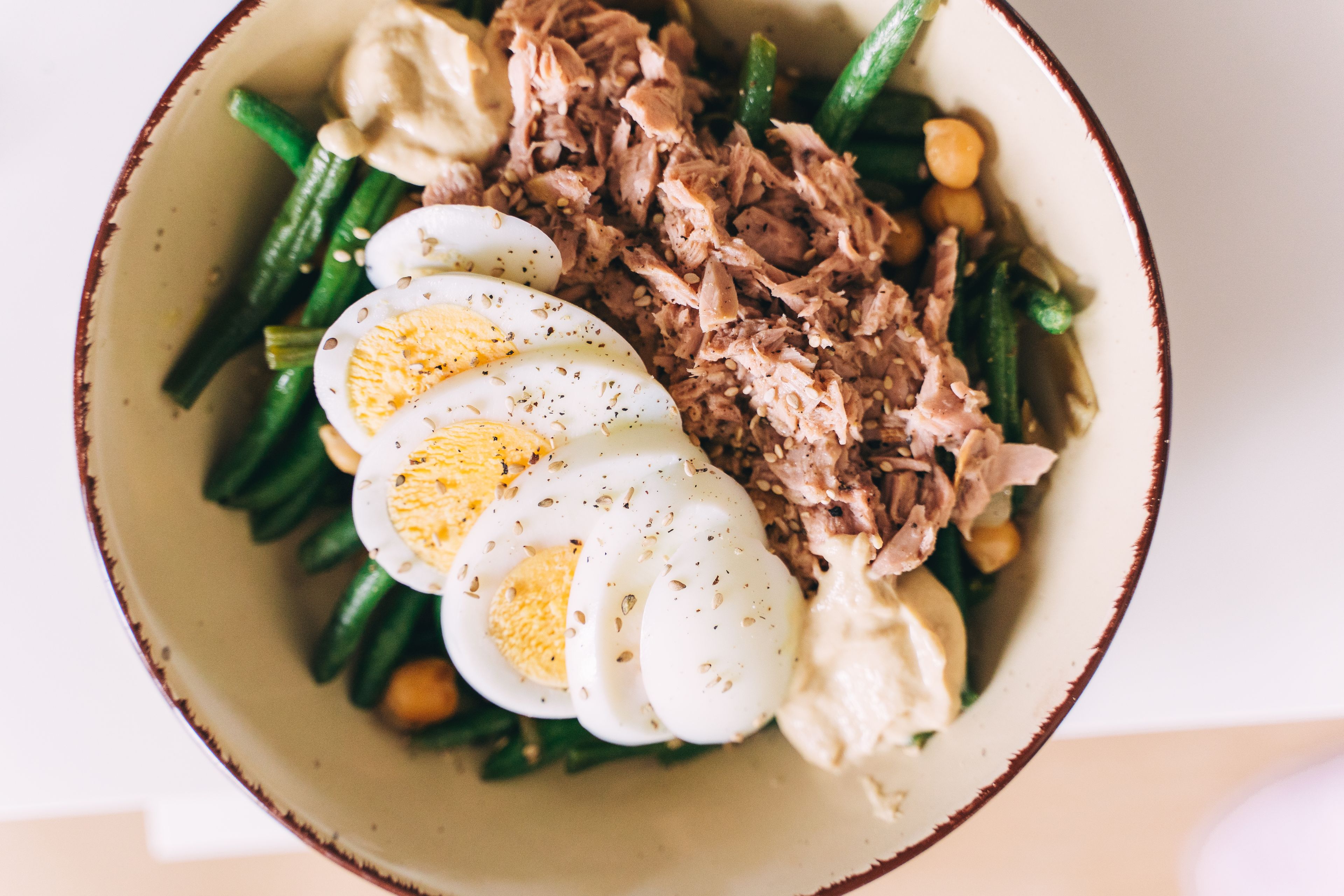
How big a deficit stops muscle gain?
On average, about 500 calories a day. A 2022 meta-analysis found lifting in a deficit produced smaller lean-mass gains than lifting without one, and estimated that gains disappear at roughly 500 kcal per day. Strength gains, interestingly, held up (Murphy & Koehler, 2022).
That is an average, not a personal cutoff. Beginners with more fat may tolerate a larger deficit; lean lifters may need a smaller one. Among elite athletes, losing about 0.7% of bodyweight per week was associated with a 2.1% lean-mass gain, while losing 1.0% per week left lean mass essentially unchanged (Garthe et al., 2011).
- If muscle gain matters during a cut, keep the deficit at or below about 500 calories a day.
- Aim to lose about 0.5–0.7% of bodyweight weekly; for example, at 180 lb (82 kg), that is roughly 0.9–1.3 lb (0.4–0.6 kg).
What does it take to gain muscle while losing fat?
You need three things at once: a small deficit, high protein, and training that still progresses. In a well-known recomposition trial, doubling protein from 1.2 to 2.4 g/kg (about 1.1 g/lb) turned a 0.1 kg lean-mass change into a 1.2 kg gain while increasing fat loss (Longland et al., 2016).
- Keep the deficit small. Use the guidance above rather than chasing rapid scale loss.
- Eat enough protein. The ISSN says 1.4–2.0 g/kg daily suits most exercising people; resistance-trained people dieting may need 2.3–3.1 g/kg (about 1.0–1.4 g/lb) to maximize lean-mass retention (Jäger et al., 2017). See how much protein you need to build muscle.
- Keep training progressive. Your load or reps should still rise over time. A cut is not the time to replace challenging lifting with light “toning” work.
- Protect sleep. Sleep is one of the non-training factors that can affect recomposition.
Longland’s trial used a 40% deficit, lifting plus HIIT six days a week, and a fully controlled diet. It was extreme and supervised, so treat it as evidence that recomposition can happen in a specific group, not as a template.

Can you build muscle on 1,200 or 1,500 calories a day?
For most adults who lift, those intakes are far more than 500 calories below maintenance, past the point where lean-mass gains stopped on average. A small, sedentary person might be close; an active man usually needs well over 2,500 calories just to maintain.
For adults ages 19–60, estimated needs are 2,600–3,000 calories for active men and 2,200–2,400 for active women (Merck Manual, from the Dietary Guidelines). That puts 1,500 calories roughly 1,100–1,500 below an active man’s needs, and 1,200 roughly 1,000–1,200 below an active woman’s.
A beginner with plenty of fat to lose might still gain some lean mass in a large deficit, but that is an exception, not a plan. Use the body recomposition calculator to estimate a more personal target.
When should you stop trying to recomp?
If you’re already fairly lean and your lifts and measurements haven’t moved for two or three months, stop trying to force a recomp. Choose one job for your body: a focused cut or a slow lean bulk.
- Strength flat or falling for 8–12 weeks.
- Arm and thigh measurements unchanged.
- Waist barely moving either.
If you still want to lose fat, cut at a pace that lets you keep training hard and preserve muscle. If building muscle is the priority, move to a small surplus and learn how to lean bulk without getting fat. Asking a deficit to build muscle is often the bottleneck.
If you're in a deficit and not progressing, what else could it be?
The deficit might be the whole story, or only part of it. Low protein, sets that stop far short of failure, too little weekly volume, and poor sleep all make a deficit harder on muscle, and several can stack at once.
- Protein: Too little makes it harder to retain lean mass while dieting.
- Effort: If sets consistently end far from failure, the training may not give your muscles enough reason to grow.
- Volume: Too few challenging weekly sets can limit progress.
- Recovery: Poor sleep can undermine training and body recomposition.
A deficit is one common reason lifters stop progressing, but it rarely acts alone. Find out whether the deficit is really your bottleneck by looking at your eating, training, and recovery together, including whether you’re asking a deficit to do a surplus’s job.
FAQ
Is a 500 calorie deficit too much to build muscle?
For many people, it’s right at the limit. A 2022 meta-analysis found that a deficit of about 500 kcal a day prevented lean-mass gains on average, while strength gains held up (Murphy & Koehler, 2022). Beginners and people with more fat may still gain at 500; lean, trained lifters should go smaller if muscle gain is the goal.
Can you build muscle on a 700 calorie deficit?
It’s unlikely unless you’re new to lifting and carrying a fair amount of fat. That exceeds the roughly 500 kcal a day at which lean-mass gains stopped on average. Overweight beginners in one trial still gained lean mass at a 40% deficit, but with 2.4 g/kg protein and supervised training six days a week (Longland et al., 2016).
Can you build muscle on 1,500 calories a day?
Most lifters can’t, because 1,500 is far below what they burn. Guidelines estimate active men need about 2,600–3,000 calories daily and active women 2,200–2,400 (Merck Manual, from the Dietary Guidelines). At 1,500, the realistic aim is keeping muscle while losing fat.
Is it possible to gain muscle while losing fat?
Yes. It’s called body recomposition, and it has been shown in beginners and resistance-trained people (Barakat et al., 2020). The ingredients are a small deficit, high protein, and training that keeps progressing. The leaner and more experienced you are, the slower it goes.
Written and maintained by LiftDecode. Training and nutrition education for healthy adults, not medical advice — if you have a health condition or an injury, talk to a professional who can examine you.