Newbie Gains: How Long They Last and What Comes After
Newbie gains are the fast strength and size gains of your first months of lifting. Why they happen, how long they last, and what to change when they stop.
- Published
- Reading time
- 6 min
- By
- LiftDecode
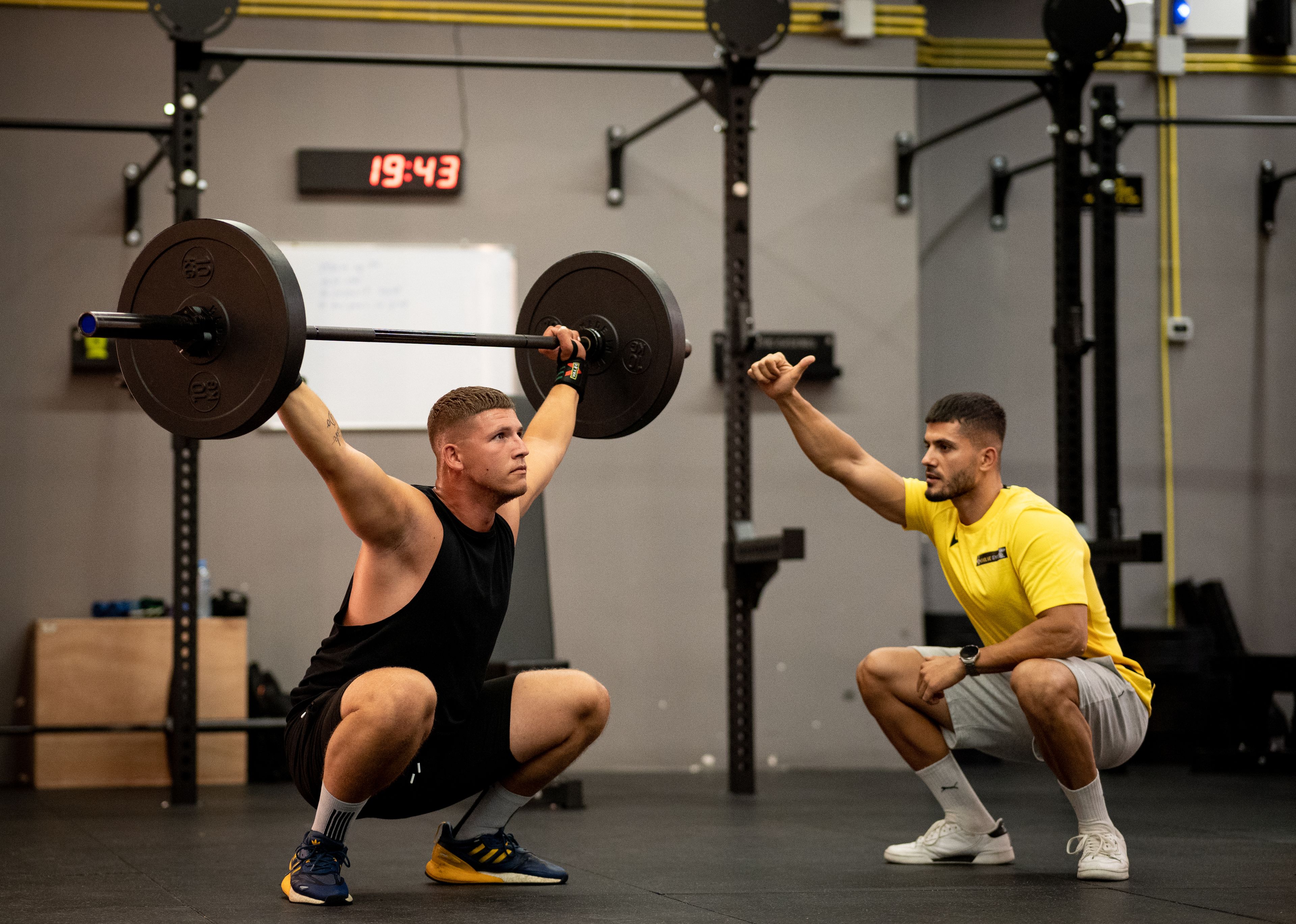
Newbie gains are the unusually fast strength and muscle gains most people make in their first months of lifting. They come mostly from your nervous system learning the lifts, with muscle growth following more slowly. They fade gradually—usually within the first year or so—as adding weight every session stops working.
What are newbie gains?
Newbie gains are the rapid progress of a new lifter: weights climb almost every session and muscles start to fill out within weeks. An untrained body has room to adapt, so even modest, reasonable training can provide a strong new stimulus. Because the exercises and effort are new, a beginner doesn’t need a complicated program to get a response at first.
- Strength usually rises much faster than muscle size in the first weeks.
- In a small study of seven young adults, leg-training force rose 38.9% in 35 days while quad size rose 6.5–7.4% (Seynnes et al., 2007). Measurable size changes appeared after about three weeks.
- Untrained people generally respond more to a given program than people who already train. The same routine can be a major new signal for one person and a familiar stimulus for another.
Why do beginners gain so fast?
Mostly because your nervous system learns fast: you recruit more muscle, coordinate better and groove the technique, so the same muscle can lift more. Real growth starts within weeks, but early scans can overstate it because training-related swelling adds to measured size. That early combination can make progress feel dramatic even before much of the visible change comes from new muscle tissue.
- In the 35-day study, force rose about 39% while quad size rose about 7%, showing how much early strength can outpace growth (Seynnes et al., 2007).
- In a study of 10 untrained men, quad size rose about 2.7% by week three and 10.4% by week 10; early increases were not purely hypertrophy because swelling also affected measurements (Damas et al., 2016).
- The further you are from your potential, the more room you have to adapt quickly. As you become more trained, progress from the same work tends to slow.
How much muscle can a beginner gain?
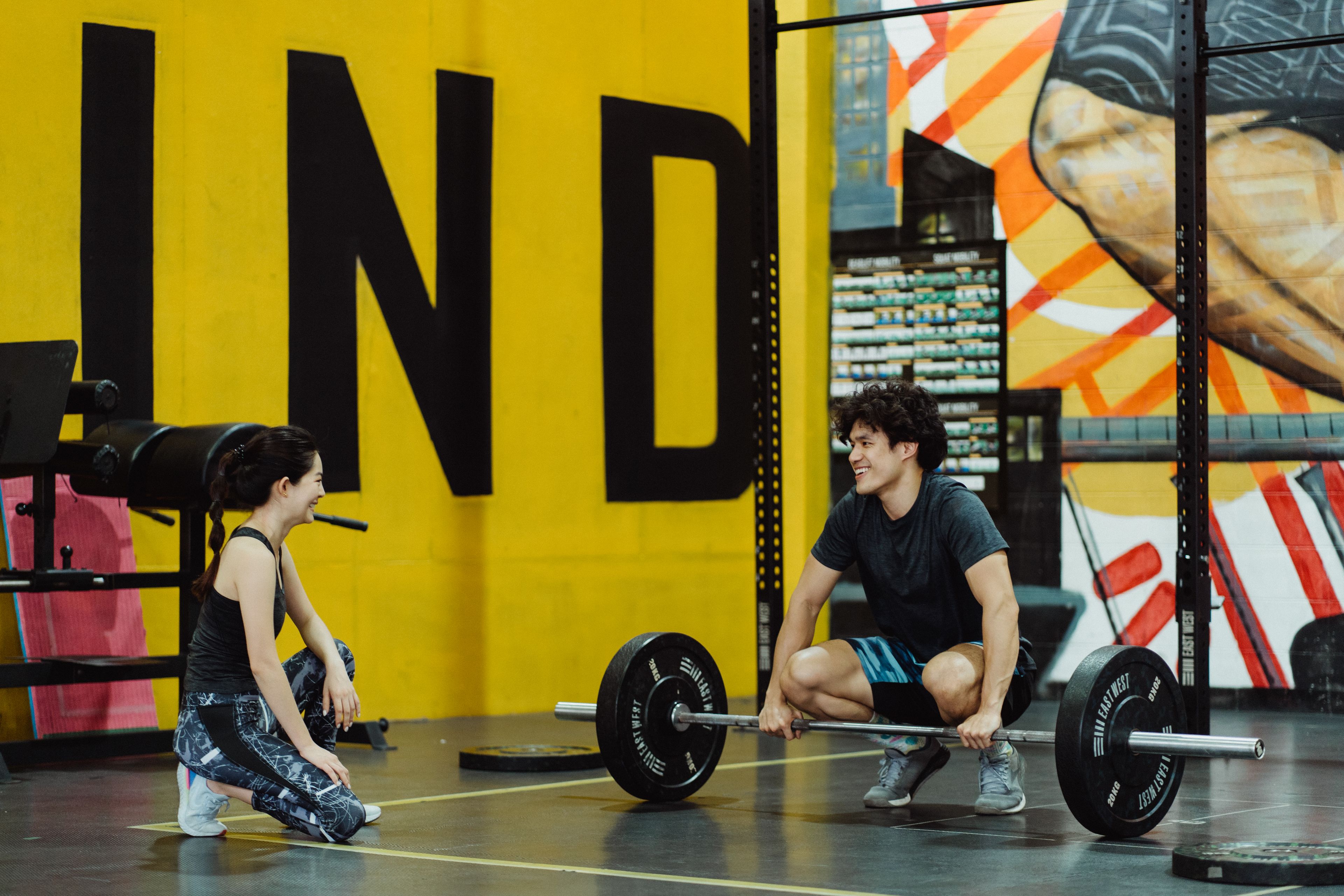
It varies more than most people expect. In 585 beginners who trained their arms for 12 weeks, biceps size changes ranged from −2% to +59%, while strength gains ranged from 0 to +250% (Hubal et al., 2005). Averages hide how differently people respond: some change very little, while others make large gains over the same period.
- The Hubal study included 342 women and 243 men; men gained 2.5% more biceps cross-sectional area than women.
- A separate 10-week study found about 10% quad-size growth, though swelling contributed to the early measurements (Damas et al., 2016).
- Compare your own training log over time instead of benchmarking against someone else’s first year. For month-by-month expectations, see how much muscle you can gain in a month.
How long do newbie gains last?
There is no fixed clock, but for most people the fastest phase fades within the first year of consistent training. You are likely past it when adding weight every session repeatedly fails despite good sleep and food, and resets only help briefly. The slowdown is a normal training transition, not evidence that you have reached your limit. How long it takes to build muscle depends on your training consistency as well as time.
You’re past newbie gains if:
- You repeatedly fail to add weight on a simple linear program.
- Deloads or resets bring you back to the same stalled numbers.
- Weight increases, but your reps keep falling.
Patchy training means 12 months on the calendar may include much less than 12 months of consistent practice.
| Newbie phase | After newbie gains | |
|---|---|---|
| Typical response | Large: untrained men gained 20.9% strength and 5.6% quad size in 21 weeks | Smaller: strength athletes gained 3.9% strength and essentially no size, at −1.8% |
| Main driver of early strength | Neural learning: force rose 38.9% while size rose 6.5–7.4% in 35 days | Muscle growth and practice with heavy loads |
| Progression that works | Add weight almost every session | Add reps, then load, across weeks |
| What usually stalls it | Missed sessions, no progression rule | Too few hard sets, poor recovery, under-eating, program hopping |
In a small 21-week study, eight untrained men gained 20.9% in maximal force and 5.6% in quad size, compared with 3.9% and −1.8% among eight strength athletes (Ahtiainen et al., 2003). The contrast illustrates why a routine that produces fast gains for a beginner may need more deliberate progression later.
Can you waste newbie gains?
You can’t lose them by starting late: an untrained body still responds strongly when you begin. But you can waste the fast phase by changing programs constantly, under-eating, ending sets far from failure or never following a progression rule. Beginners are forgiving, which can hide habits that cause stalls once progress slows.
- Avoid hopping programs every few weeks; give a plan time to work.
- Eat enough to support growth.
- Take sets close enough to failure to challenge you.
- Log your lifts and follow a clear rule for progressing.
Use this phase to learn the lifts well and build the habit of logging and progressing. Those habits make it easier to see what is working and to adjust when adding weight every session is no longer realistic.
What should you do when newbie gains end?
Switch from adding weight every session to progressing across weeks: build more hard sets where needed, earn load increases with reps, plan lighter weeks and pay closer attention to food and sleep. These factors matter more as the easy early progress fades. First, work out what is actually limiting progress before changing everything.
- Use double progression: reach your rep targets, then increase the load. This lets you make progress across several workouts even if the weight stays the same for a while.
- Add hard sets for lagging muscles and keep working sets close to failure.
- Consider an intermediate workout program built around progress across weeks.
The end of beginner progress and a specific bottleneck can feel the same from the inside. Find out whether it’s the end of the fast phase or something fixable and identify what to address first. For other terms you’ll meet in training, see the lifting glossary.
FAQ
How long do newbie gains usually last?
For most people, the fastest phase fades within the first year of consistent training. The real signal isn’t the calendar: it’s when adding weight every session keeps failing despite good sleep and food. Missed weeks don’t count, so patchy training stretches the phase out.
What do newbie gains mean?
It’s gym slang for the fast progress new lifters make: weights rise almost every session and muscle starts to show within weeks. Much of the early strength comes from your nervous system learning the lifts; muscle growth follows more slowly.
Can you waste beginner gains?
You can’t miss the window by starting late—untrained muscle responds strongly whenever you begin. You can waste the fast phase by hopping programs, under-eating, ending sets far from failure or never adding weight. Use it to learn the lifts and build a progression habit.
How much muscle can newbies gain?
It varies hugely. In a study of 585 beginners training their arms for 12 weeks, biceps size changes ranged from −2% to +59% (Hubal et al., 2005). Compare yourself with your own log, not someone else’s first year.
Written and maintained by LiftDecode. Training and nutrition education for healthy adults, not medical advice — if you have a health condition or an injury, talk to a professional who can examine you.