Does Soreness Mean Muscle Growth? (Not Sore ≠ No Gains)
Does soreness mean muscle growth? No. Soreness tracks novelty, not gains, and not being sore after a workout is normal. Better signs your muscles are growing.
- Published
- Reading time
- 7 min
- By
- LiftDecode
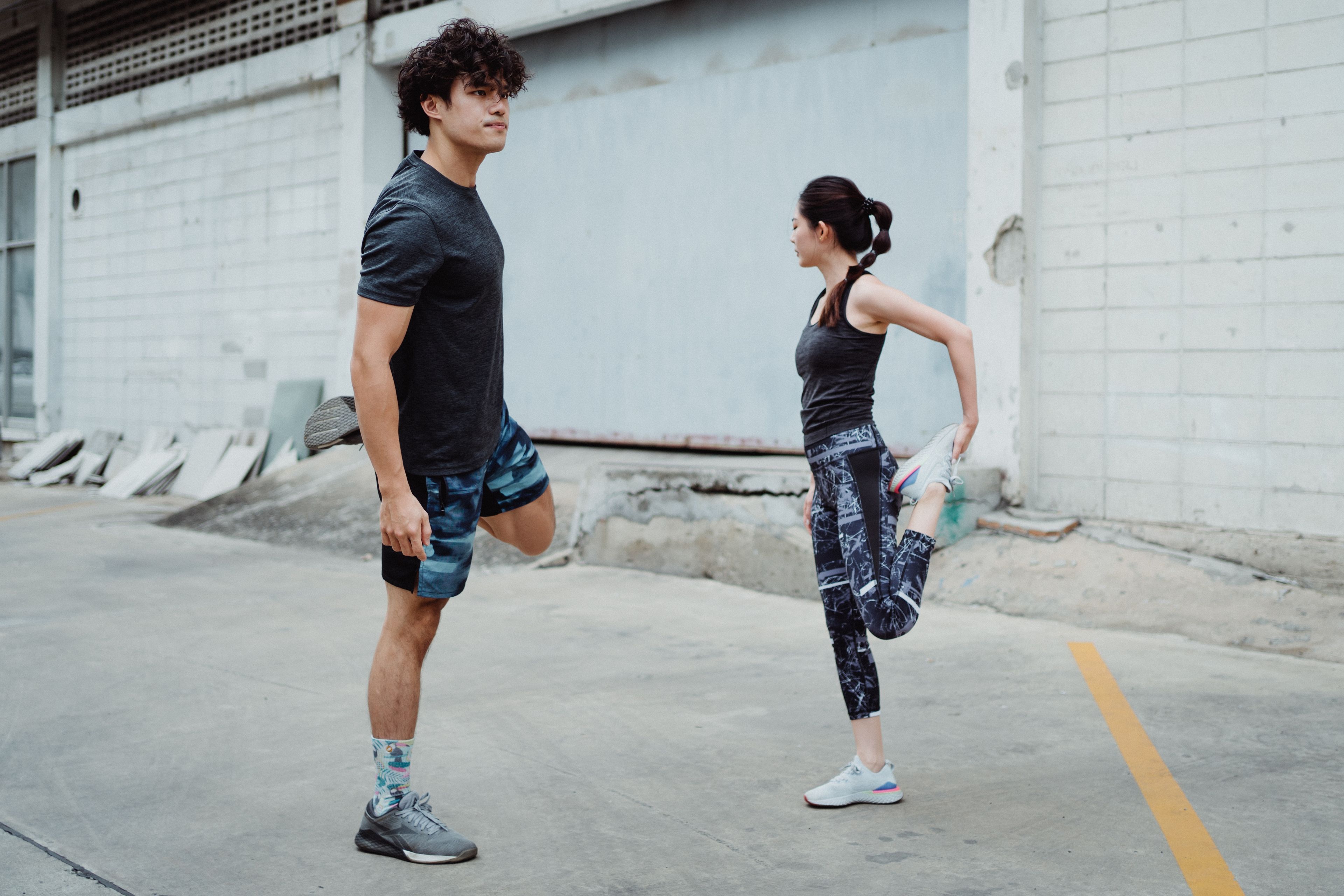
No. Soreness tells you a muscle did something it was not used to, not that it grew. In a trial where one group was eased in and avoided soreness, both groups gained the same muscle and strength. Getting less sore as you keep training is normal adaptation, and there are far better signs your muscles are growing.
Does soreness mean your muscles are growing?
No. Soreness is a rough sign that a muscle was exposed to something unfamiliar, especially lowering (eccentric) work, but it tracks growth poorly. Long endurance events cause plenty of soreness with little muscle gain, and well-trained lifters grow muscles that barely get sore.
Schoenfeld and Contreras concluded that soreness should not be used as a definitive gauge of results. They note that there is no evidence muscle development is slower in people who do not get sore (Schoenfeld & Contreras, 2013).
- Marathon running and long-distance cycling can cause DOMS without meaningful muscle growth.
- Soreness varies widely between people and between muscles.
- For recovery context, see muscle recovery and when it limits growth.
What actually causes muscle soreness?
Delayed onset muscle soreness (DOMS) is the pain and stiffness that follows unaccustomed or strenuous exercise, mostly from eccentric, muscle-lengthening work. It usually builds over the first day, peaks within 24 to 72 hours, and fades within about a week (DOMS overview).
Soreness can appear about 6 to 8 hours after a hard bout and peak around 48 hours, though the timing and intensity vary with the workout and the person (Schoenfeld & Contreras, 2013). Eccentric actions—the lowering phase of a lift—cause muscle micro-injury more often and more severely than other muscle actions (Cheung, Hume & Maxwell, 2003).
- A new exercise can make a familiar muscle sore.
- Eccentric work and loading a muscle at a deep stretch often cause more soreness.
- A big jump in sets or total workload can do it too.
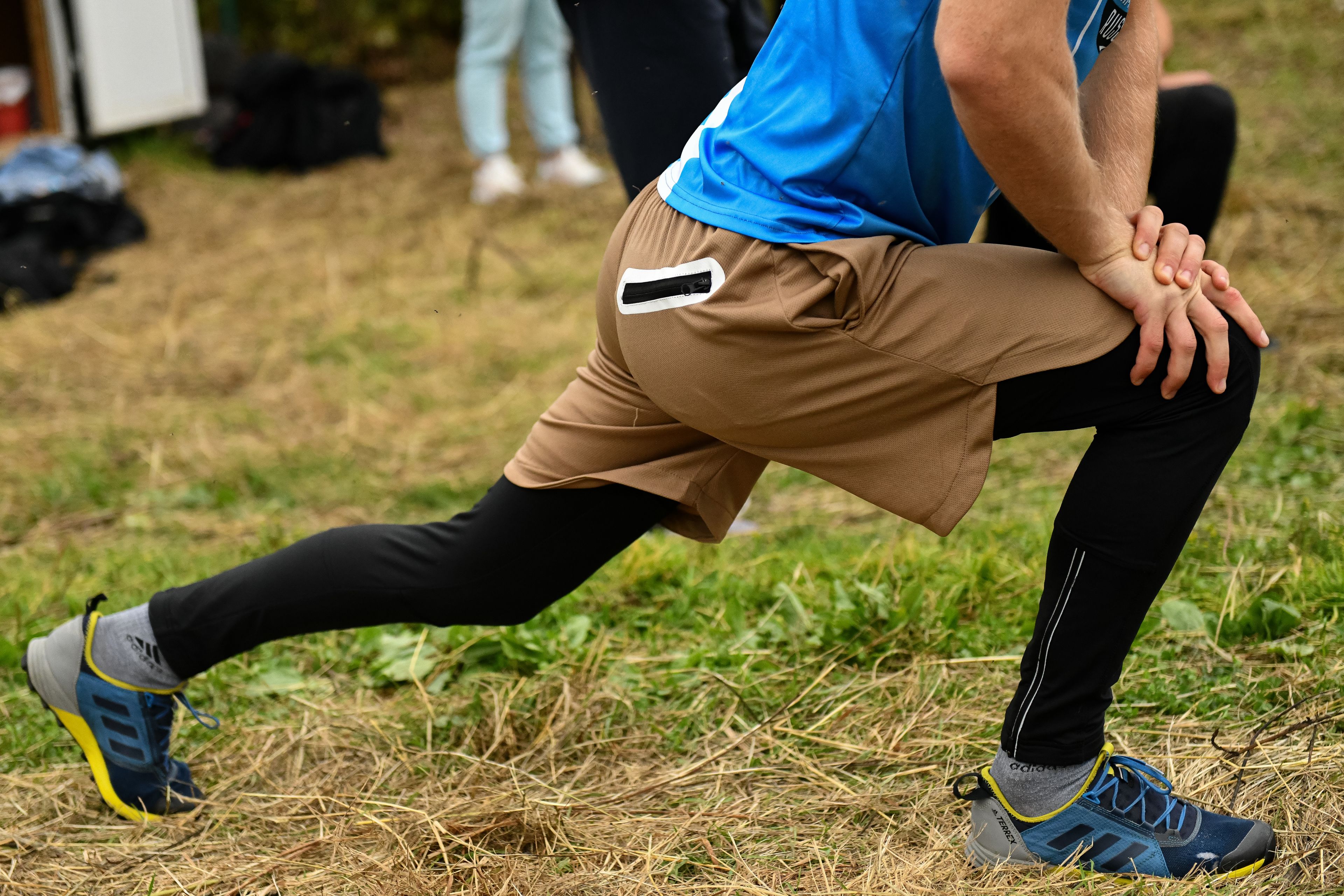
Is there any truth to "no pain, no gain"?
A little. Soreness means the muscle was challenged in a new way, and muscle damage was long thought to help drive growth. But newer research suggests early training mostly spends the muscle’s building effort on repair; growth tracks protein synthesis only once damage has faded.
In a study of 10 young men, muscle damage and muscle protein synthesis were highest in the first week, but neither was related to hypertrophy. Protein synthesis at weeks 3 and 10 was strongly correlated with growth (r ≈ 0.9); the authors described the early response as “repair-oriented” (Damas et al., 2016). The sorest weeks may be when your muscle is patching itself, not building. For the growth stimulus that matters, see what mechanical tension is and why it drives growth.
Are your muscles growing if you're not sore?
Very likely, if your training is hard and progressing. In a 2011 study, a group eased in over three weeks, reported little soreness, and showed no muscle-damage marker, yet gained muscle volume and strength equal to a group that was hammered from day one. Fading soreness is adaptation, not failure.
After eight weeks of eccentric cycling, muscle volume rose 6.5% in the eased-in group and 7.5% in the other group; strength rose 25% and 26%, respectively, with no significant difference (Flann et al., 2011). It was a small study using cycling rather than barbell lifting, but it isolates the question well.
The repeated bout effect means that after a muscle experiences a damaging workout, it adapts so the same work causes less soreness, swelling, and strength loss. The effect lasts weeks, which helps explain why muscles you train regularly can keep growing while getting less sore.
Not sore is what adaptation feels like.
Can chasing soreness slow your progress?
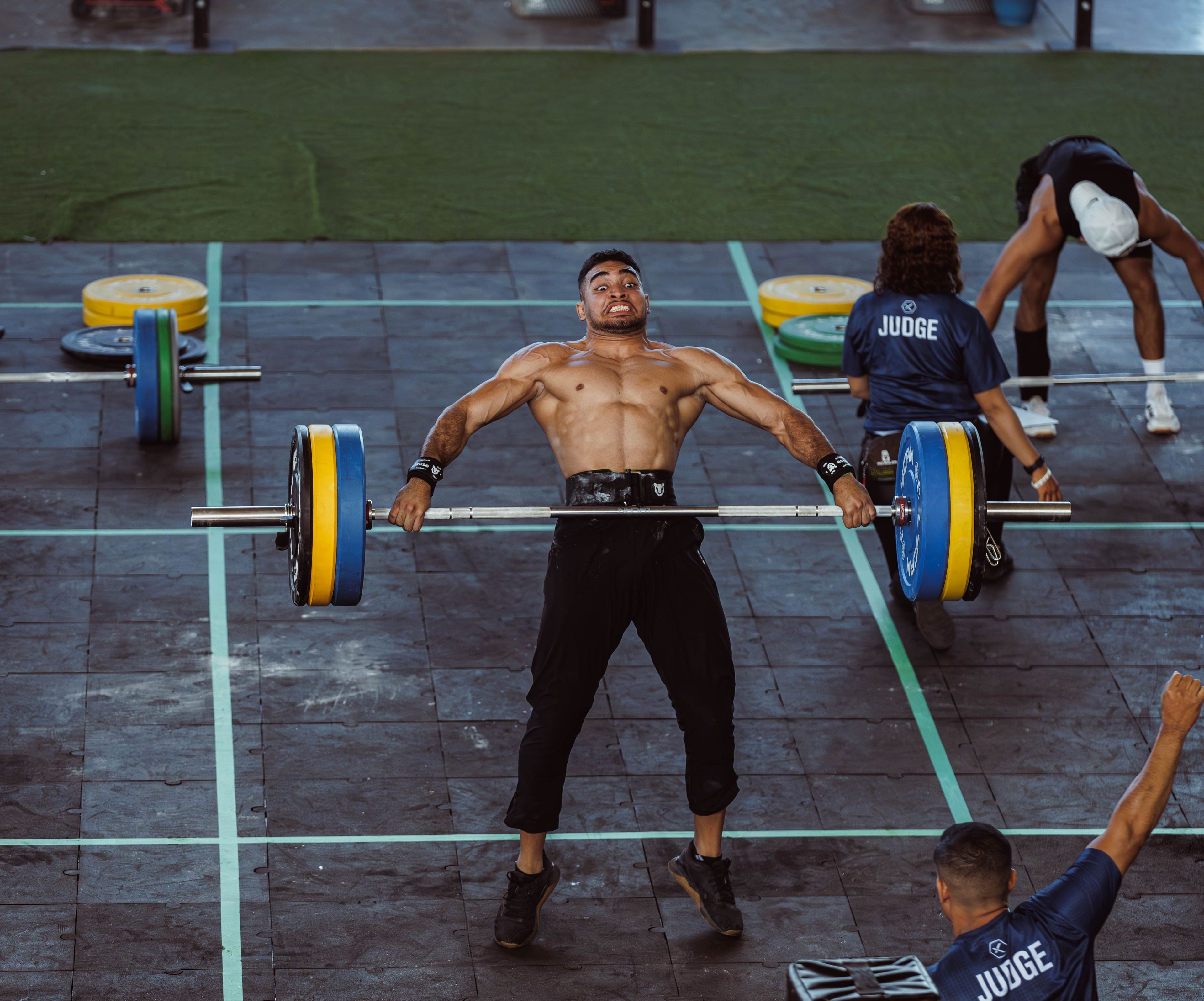
Yes. Severe muscle damage can cut a muscle’s force output by half or more, and hard, sore muscles can make the next session worse or lead you to skip it. Chasing soreness also pushes you to keep changing exercises, trading measurable progress for novelty.
- Severe damage can reduce force by 50% or more; when deficits reach 70%, full recovery has taken up to 47 days (Schoenfeld & Contreras, 2013).
- New exercises every week can keep you sore while preventing you from progressing on any one exercise.
- Learn why constant exercise variety stalls progress.
Extreme pain with dark or cola-colored urine, reduced urine, or marked weakness after hard exercise can signal rhabdomyolysis; contact a doctor promptly (MedlinePlus).
How can you tell if your muscles are growing?
Track what growth produces, not what it feels like. The most useful signals are more reps or more load in the same rep range over weeks, slowly rising tape measurements at a steady body fat, and bodyweight trending up on a planned surplus. Check them over weeks, not after one session.
| Signal | What to track | Check it | What it tells you |
|---|---|---|---|
| Soreness | How sore you feel 24–72 hours later | — | How new or eccentric-heavy the session was, not a growth measure (Schoenfeld & Contreras, 2013; Flann et al., 2011) |
| Logbook performance | Reps at the same load, or load at the same reps, on main exercises | Every session; judge the trend over 4–6 weeks | Whether the training stimulus is progressing |
| Tape measurements | Upper arm, chest, thigh, waist; same spot and time of day | Every 2–4 weeks | Whether limbs grow while the waist holds steady |
| Progress photos | Same lighting, pose, and time of day | Every 4 weeks | Visible change you may not see day to day |
| Bodyweight trend | Weekly average of daily weigh-ins | Weekly | Whether you are in the surplus growth needs |
If your logbook numbers on the same exercises rise over 4–6 weeks at similar effort, the stimulus is working regardless of soreness. If you cannot add weight, see how to progressively overload when you can't add weight, and use how much muscle you can realistically gain in a month to set expectations.
Should you train when you're sore?
Usually yes, with judgment. Light or moderate training of a sore muscle is the most effective short-term pain relief for DOMS, though the relief is temporary (Cheung, Hume & Maxwell, 2003). If soreness stops you hitting your usual reps with good form, train other muscles that day and ease the novelty next time.
- Warm up longer before deciding how the muscle feels.
- Keep your planned exercises; if a lift is clearly down, reduce the load instead of grinding.
- Introduce new exercises and volume increases gradually.
Not sore and not growing — what then?
Then soreness was never the problem. The fix is somewhere measurable: effort that stops too far from failure, no progression rule, too few weekly sets, or not enough food or sleep.
- Check whether your last reps are challenging.
- Follow a clear progression rule and record your work.
- Review your weekly set count and recovery.
- Check your food intake and sleep.
If those signals are stalled, start with why you might not be gaining muscle. Once you stop grading workouts by soreness, the question becomes which measurable thing is off. Check what's actually limiting your growth to identify the bottleneck to address first.
FAQ
Are my muscles growing if I'm not sore?
They can be. In a controlled study, a group eased into training with little soreness and no sign of muscle damage gained the same muscle volume (6.5% vs. 7.5%) and strength as a group that got very sore (Flann et al., 2011). Judge growth by your logbook and measurements, not soreness.
Should I skip the gym if I'm sore?
Usually not. Exercise is the most effective way to relieve DOMS pain, though the relief is temporary (Cheung et al., 2003). Warm up well and train as planned; if soreness stops you hitting normal reps with good form, train other muscles that day. Extreme pain with dark urine needs a doctor, not a workout.
Is it good for muscles to be sore?
It is not good or bad by itself; it signals that the session was new or eccentric-heavy. Mild soreness after a program change is normal. Frequent, severe soreness is a cost: badly damaged muscle can lose half its force or more and take weeks to recover (Schoenfeld & Contreras, 2013).
What does no soreness after a workout mean?
Most often, your muscles have adapted to that exercise and workload through the repeated bout effect. It does not mean the session was too easy. The better test is effort and progression: were your last reps hard, and are reps or load creeping up across weeks? If yes, the workout did its job.
Written and maintained by LiftDecode. Training and nutrition education for healthy adults, not medical advice — if you have a health condition or an injury, talk to a professional who can examine you.