Strength Training Over 40: What Changes and What Doesn't
Strength training over 40 still builds muscle and strength. What really changes after 40 (recovery, protein per meal, joints), what's myth, and a 4-day plan.
- Published
- Reading time
- 7 min
- By
- LiftDecode
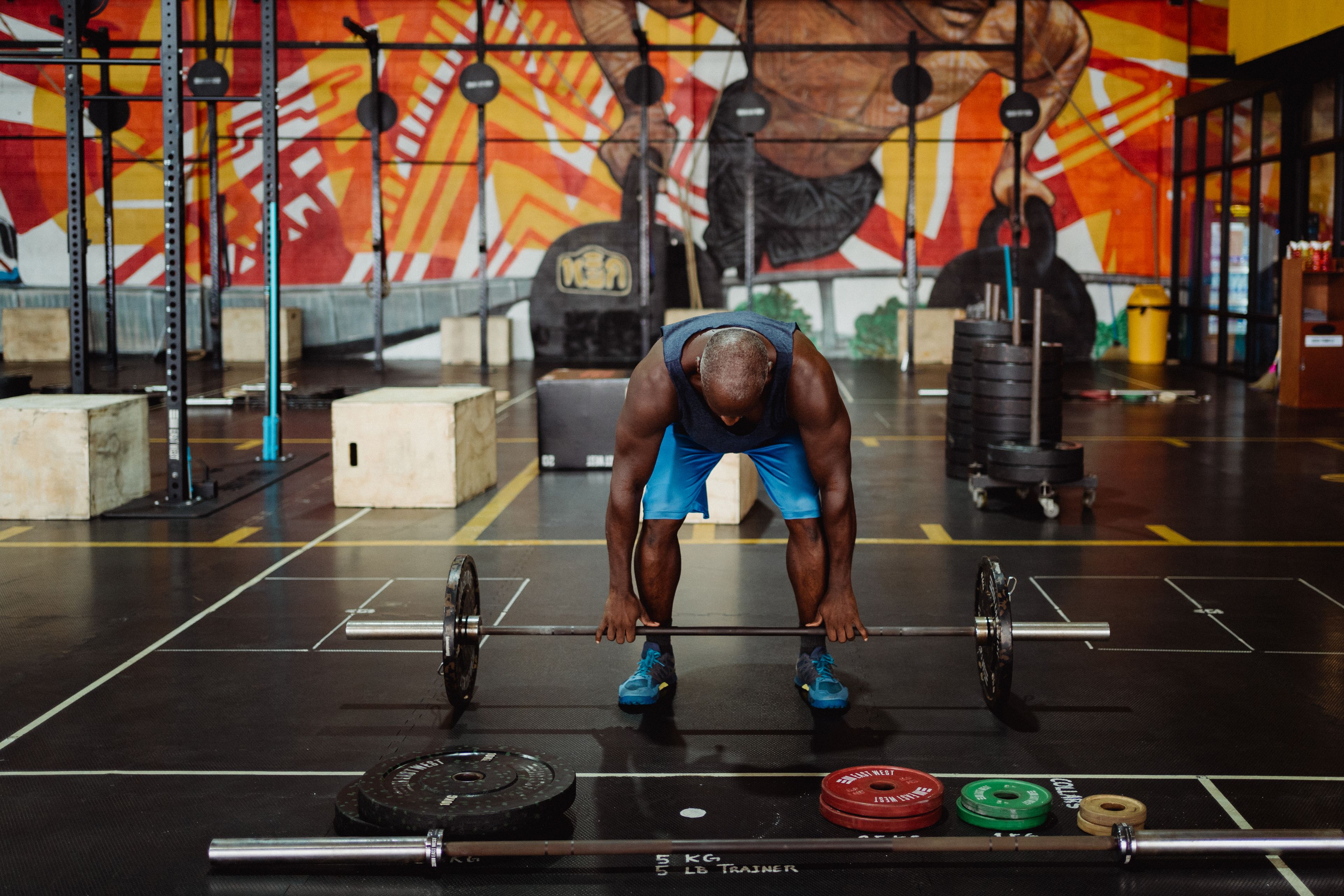
Strength training over 40 works almost like it does at 25: progressive lifting still builds muscle and strength. Recovery, joints and protein needs become less forgiving. Train hard, usually stopping a rep or two short of failure, and protect your sleep.
Is 40 too late to start strength training?
No. Men in their 60s gain strength and muscle from the same program as men in their 30s. Studies of adults over 50 also show reliable gains.
In a 10-week program, men aged 30 and 62 both increased squat strength and thigh muscle size, despite higher testosterone and IGF-1 in the younger men (Kraemer et al., 1999). Across 49 studies of 1,328 adults aged 50 and older, average lean mass rose 1.1 kg (2.4 lb); higher-volume programs produced larger gains (Peterson, Sen & Gordon, 2011).
A separate analysis found strength gains of 24–33% across four exercises (Peterson et al., 2010). Start where you are and progress gradually. If muscle gain has stalled, here’s how to keep gaining muscle when it’s stopped coming easy.
What actually changes after 40?
Muscle mass starts a gradual decline in the late 40s, testosterone drifts down, protein needs per meal creep up, and life may leave less recovery time. None stops progress, but each changes how you train.
- Muscle mass: In an MRI study of 468 adults, a noticeable drop in absolute muscle mass appeared near the end of the fifth decade, mainly in the lower body (Janssen et al., 2000). Train your legs consistently.
- Testosterone: Low testosterone was found in about 20% of men over 60, 30% over 70 and 50% over 80 (Harman et al., 2001). In your 40s, it is not the typical reason for a stall; discuss symptoms such as low libido, fatigue or low mood with a doctor.
- Protein per meal: Men around 71 needed about 0.40 g/kg per meal to maximize muscle protein synthesis, compared with 0.24 g/kg for men around 22 (Moore et al., 2015). A 0.4 g/kg serving is a practical target at any age.
- Recovery: Sleep, work and family demands compete with training. If they increase, adjust training volume before adding more work.

Which "over 40" advice is myth?
You can build muscle after 40, light weights are not your only option, and hormones are not usually the first explanation for a stall. Effort and recovery still matter.
- Myth: “You can’t build muscle after 40.” Older men gained strength and muscle in the studies above. Slower progress is still progress.
- Myth: “Only light weights now.” Growth was similar with light and heavy loads when sets came close to failure, while heavier loads improved one-rep max strength (Schoenfeld et al., 2017). Use a heavy compound lift and moderate-load work with comfortable exercises and a warm-up.
- Myth: “It’s all testosterone.” Most men in their 40s should first check effort, progression, sleep and protein.
- Myth: “Train like you did at 25.” Grinding failure sets six days a week can outstrip recovery. Keep hard work productive instead of making every set a test.
How should a man over 40 train?
Train each muscle twice a week with about 10 hard sets, using one heavy compound lift per session and moderate-load accessories. A four-day upper/lower split suits many schedules; three full-body days work when time is tight. Twice-weekly training showed a larger effect size than once-weekly training in a meta-analysis (Schoenfeld, Ogborn & Krieger, 2016); U.S. guidelines recommend muscle-strengthening work at least two days a week (CDC). See this 4-day upper lower split and how to progress it.
Four-day upper/lower template for lifters over 40
| Day | Exercise | Sets × reps | Reps in reserve |
|---|---|---|---|
| Mon – Upper A | Bench press | 3 × 5–7 | 2 |
| Chest-supported row | 3 × 8–10 | 1–2 | |
| Seated dumbbell press | 2 × 8–10 | 1–2 | |
| Lat pulldown | 3 × 8–12 | 1–2 | |
| Lateral raise | 2 × 12–15 | 0–1 | |
| EZ-bar curl | 2 × 10–12 | 0–1 | |
| Tue – Lower A | Squat (back, safety-bar or goblet) | 3 × 5–7 | 2 |
| Romanian deadlift | 3 × 8–10 | 2 | |
| Leg press | 2 × 10–12 | 1 | |
| Leg curl | 2 × 10–12 | 0–1 | |
| Calf raise | 2 × 10–15 | 0–1 | |
| Thu – Upper B | Incline dumbbell press | 3 × 8–10 | 1–2 |
| Pull-up (assisted if needed) | 3 × 6–10 | 1–2 | |
| Seated cable row | 2 × 10–12 | 1 | |
| Cable fly | 2 × 12–15 | 0–1 | |
| Triceps pushdown | 2 × 10–12 | 0–1 | |
| Face pull | 2 × 12–15 | 1 | |
| Fri – Lower B | Trap-bar deadlift | 3 × 4–6 | 2–3 |
| Bulgarian split squat | 2 × 8–10 each leg | 1–2 | |
| Leg extension | 2 × 12–15 | 0–1 | |
| Hip thrust | 2 × 8–12 | 1 | |
| Farmer's carry | 3 × 30–40 m | — |
This LiftDecode template is not a study protocol. Each major muscle gets about 8–12 hard sets across two sessions; swap painful exercises for pain-free options. Rest 2–3 minutes after the first two exercises and 60–90 seconds after the rest.
- Keep most sets at 1–3 reps in reserve (RIR), the reps you estimate you could still complete. Keep heavy compounds at 2 RIR; take only the final isolation set near failure.
- Warm up with five easy minutes and 2–4 ramp-up sets.
- Use double progression: once every set reaches the top of its rep range at the target RIR, add 5 lb (2.5 kg) to lower-body lifts or 2.5–5 lb (1–2 kg) to upper-body lifts.
- As LiftDecode’s rule of thumb, deload every 6–8 weeks or after performance drops for two sessions: halve your sets for a week. See how to run a deload week.
What should you eat to build muscle after 40?
Aim for about 1.6 g of protein per kg of body weight daily (0.7 g per lb), across three or four meals of roughly 0.4 g/kg—about 30–40 g for many men. Eat near maintenance or in a small surplus to limit unwanted waist gain.
- Daily protein: A 49-trial meta-analysis found fat-free mass gains plateaued around 1.62 g/kg daily; protein supplementation had less benefit with age (Morton et al., 2018). Read more on how much protein you need to build muscle.
- Per meal: A 200 lb (91 kg) man targeting about 145 g daily could eat four meals of around 36 g each.
- Calories: To build, aim to gain about 0.25–0.5% of body weight weekly; for recomp, eat around maintenance (Iraki et al., 2019).
How do you know it's working?
Your logbook should show more weight or reps at the same effort every one to two weeks. Your joints should feel the same or better, and your waist should stay stable or shrink.
- Track each main lift’s top set as weight × reps × RIR, weekly average body weight, and monthly waist measurement.
- If loads fall for two sessions, sleep drops below normal, or joint pain nags, deload and check sleep and stress before adding work.
- If a lift has not moved in three weeks despite good sessions, progression or recovery may be the bottleneck.
- Planning ahead? See building muscle after 50 for the next decade.
If you have heart disease, high blood pressure, diabetes, chest pain or dizziness with exertion, or are returning after years away with a health condition, check with your doctor before heavy lifting.
After 40, a stall often comes from an overspent recovery budget and a program that no longer forces progress. To sort through training, sleep, stress and eating, check what’s limiting your progress first.
FAQ
Is 40 too late to start strength training?
No. In a head-to-head study, 62-year-old men gained squat strength and thigh muscle size from the same 10-week program as 30-year-olds (Kraemer et al., 1999). Starting at 40 can still bring fast progress, especially if you are new or returning to lifting.
Can you get ripped at age 40?
Yes. Build muscle first, then diet modestly while continuing to lift heavy. Losing about 0.5–1% of body weight weekly is the range contest-prep research uses to retain muscle (Helms et al., 2014); keep protein high and avoid crash dieting.
How many days a week should a man over 40 lift weights?
Three or four days is practical. U.S. guidelines recommend muscle-strengthening work at least two days per week (CDC), and training each muscle twice weekly works well for building muscle. A four-day upper/lower split spreads the work across the week.
Does lower testosterone after 40 stop muscle growth?
Not for most men in their 40s. Low testosterone was found in about 20% of men over 60 in a large study (Harman et al., 2001). Check effort, progression, sleep and protein first; talk to a doctor if you have symptoms.
Written and maintained by LiftDecode. Training and nutrition education for healthy adults, not medical advice — if you have a health condition or an injury, talk to a professional who can examine you.