Natural Bodybuilding: Realistic Limits and Why Naturals Stall
Natural bodybuilding has real limits, but most naturals stall long before them. What FFMI data says, why drug-free lifters plateau, and how to train and eat.
- Published
- Reading time
- 7 min
- By
- LiftDecode
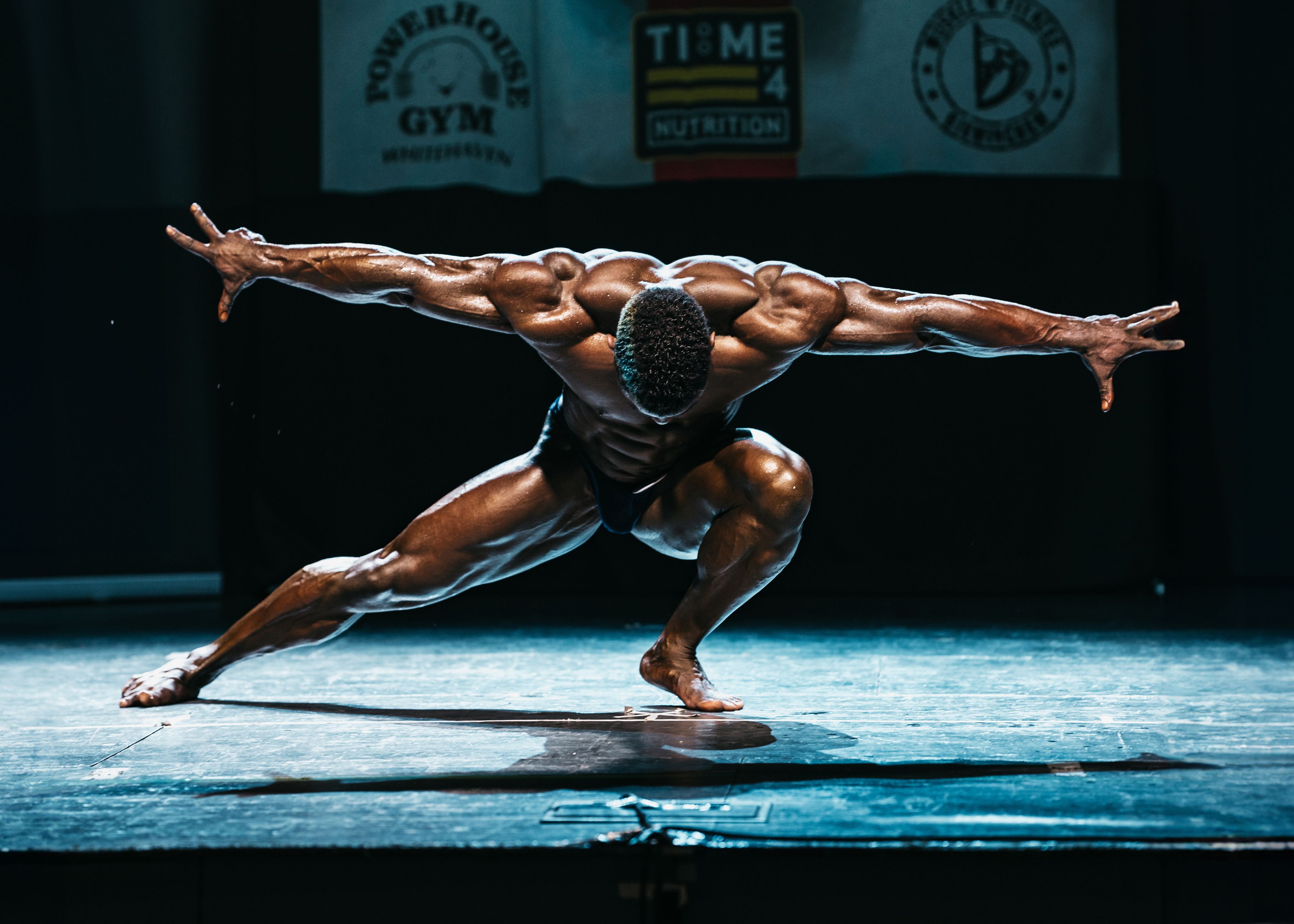
Natural bodybuilding means building—and usually competing with—a physique without performance-enhancing drugs, in federations that test. Natural limits are real: drug-free athletes in a classic study reached a fat-free mass index near 25. But most naturals stall years before a genetic ceiling, for reasons they can fix.
What counts as natural bodybuilding?
Natural bodybuilding means competing or training without anabolic steroids and other performance-enhancing drugs, under a federation’s testing rules. Testing and the required drug-free period vary by federation, and the label “natural” does not guarantee a show tests.
- Tested federations may use urinalysis and polygraphs on or near competition day.
- The IFBB Pro League runs Natural Pro contests, testing for anabolic agents and diuretics or masking agents by urinalysis, with polygraph prescreening (IFBB Pro League).
- Mr. Olympia used drug tests only once, in 1990; the IFBB reversed that decision the following year (1990 Mr. Olympia).
How much muscle can a natural build?
More than most people ever reach. In the study behind the “natty limit,” drug-free athletes’ fat-free mass index reached about 25, while many steroid users exceeded it. Treat 25 as a rough marker of elite natural muscularity, not a personal target.
FFMI is fat-free mass in kilograms divided by height in meters squared—roughly, BMI for muscle. You can estimate yours with the FFMI calculator.
- In 1995, researchers measured 157 male athletes: 83 steroid users and 74 non-users. The non-users’ normalized FFMI reached 25.0; pre-steroid-era Mr. America winners averaged 25.4, while some steroid users exceeded 30 (Kouri et al., 1995).
- The study relied on self-reported drug status and gym athletes measured in 1995, so 25 is a screening heuristic, not a verdict.
- A 2024 study of 111 college football players found FFMI values as high as 27.7 and concluded that an athlete’s upper limit may exceed 25; the players were subject to random drug testing, though the study itself did not screen for steroid use (Fields et al., 2024).
- In our view, an FFMI of 21 or 22 with good proportions can win natural shows and look excellent. FFMI measures muscularity, not your worth or effort.
Your number is one clue, not a finish line. For context on what progress can look like, see how much muscle you can gain in a month and a year.
Why do natural bodybuilders stall?
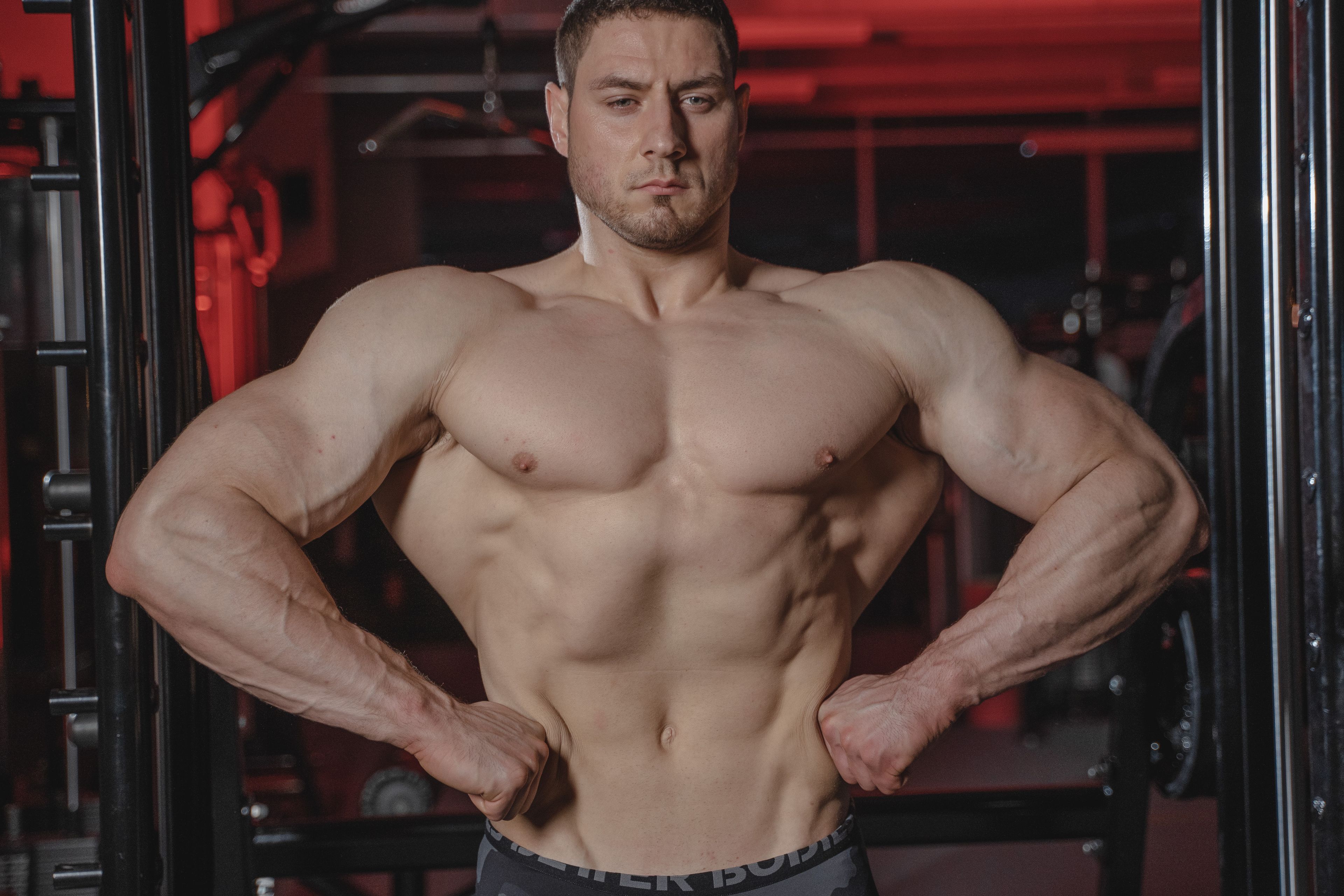
Usually it is for reasons unrelated to a genetic ceiling: no rule that drives progress, too few hard sets, eating too much or too little for too long, or comparing yourself with drug-assisted physiques. Rule those out before deciding you are capped.
- No progression rule. If your logbook shows the same weights for months, set a clear rule for adding reps or load instead of hopping between programs.
- Too little hard volume. A meta-analysis found each added weekly set was associated with more muscle gain, with 10 or more sets per muscle trending toward the largest gains (Schoenfeld et al., 2017). Use this guide to how many sets per muscle group per week.
- Bulking too fast or cutting too often. Off-season guidance suggests gaining about 0.25–0.5% of body weight per week for novice and intermediate lifters, with advanced lifters going slower (Iraki et al., 2019).
- Using the wrong benchmark. Arnold Schwarzenegger has said he used steroids during his competitive years, when they were legal (NBC News, 2005).
If you recognize one of these patterns, you may be stuck, not capped.
How should a natural bodybuilder train?
Train each muscle about twice a week with 10–20 hard sets, most ending one to three reps from failure, and use a written rule to progress reps or loads. A five-day push, pull, legs, upper, lower week can spread the work across manageable sessions.
A meta-analysis found a larger effect for training twice weekly than once weekly (0.49 versus 0.30) (Schoenfeld et al., 2016). The table is LiftDecode’s template, not a study protocol; it puts major muscles at roughly 10–16 weekly hard sets. Rest 2–3 minutes on compound lifts and 60–90 seconds on isolation work.
| Day | Exercise | Sets × reps | Reps in reserve |
|---|---|---|---|
| 1 Push | Bench press | 3 × 6–8 | 1–2 |
| Incline dumbbell press | 3 × 8–10 | 1 | |
| Seated dumbbell shoulder press | 2 × 8–10 | 1 | |
| Lateral raise | 3 × 12–15 | 0–1 | |
| Overhead triceps extension | 3 × 10–12 | 0–1 | |
| 2 Pull | Weighted pull-up | 3 × 6–8 | 1–2 |
| Chest-supported row | 3 × 8–10 | 1 | |
| Seated cable row | 2 × 10–12 | 1 | |
| Rear-delt fly | 2 × 12–15 | 0–1 | |
| Barbell curl | 3 × 8–12 | 0–1 | |
| 3 Legs | Back squat | 3 × 5–8 | 1–2 |
| Romanian deadlift | 3 × 8–10 | 1–2 | |
| Leg press | 2 × 10–12 | 1 | |
| Lying leg curl | 3 × 10–12 | 0–1 | |
| Standing calf raise | 3 × 10–15 | 0–1 | |
| 4 Upper | Overhead press | 3 × 6–8 | 1–2 |
| Lat pulldown | 3 × 8–12 | 1 | |
| Machine chest press | 2 × 10–12 | 0–1 | |
| Cable lateral raise | 2 × 15–20 | 0–1 | |
| Hammer curl + triceps pushdown | 2 × 10–12 each | 0–1 | |
| 5 Lower | Hack squat or leg press | 3 × 8–12 | 1 |
| Hip thrust | 2 × 8–12 | 1 | |
| Leg extension | 3 × 12–15 | 0–1 | |
| Seated leg curl | 2 × 10–12 | 0–1 | |
| Seated calf raise | 3 × 12–15 | 0–1 |
- Use double progression: reach the top of the rep range, then add load.
- Add a set to a lagging muscle before adding another exercise.
- Deload when performance drops across sessions; a push pull legs routine is one way to arrange the week.
How should a natural eat in the off-season and in contest prep?
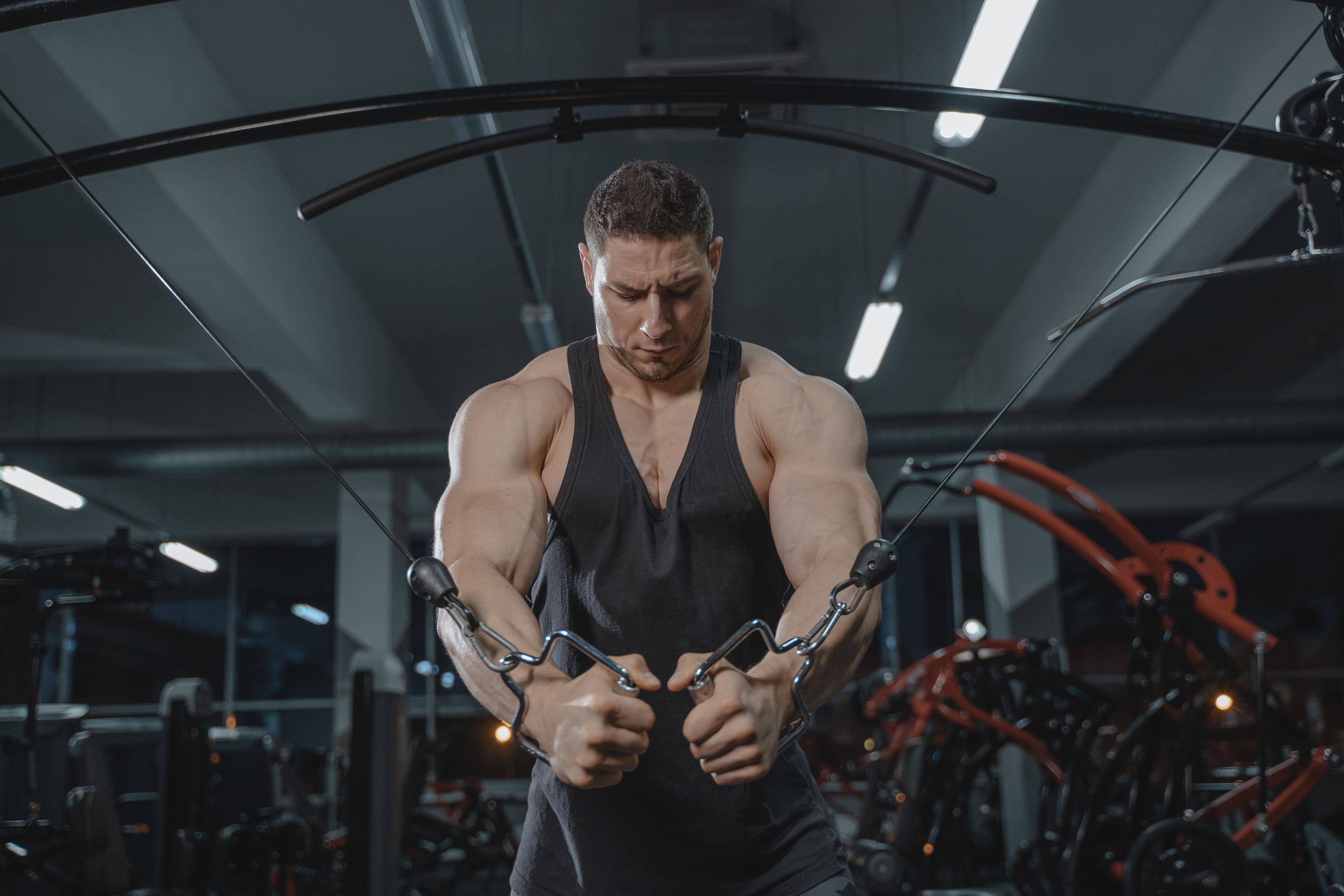
In the off-season, eat a small surplus of about 10–20% and gain roughly 0.25–0.5% of body weight weekly, less if advanced. In prep, aim to lose about 0.5–1% weekly with high protein; contest dieting is costly for naturals, so do it rarely.
- Off-season: Aim for protein of 1.6–2.2 g/kg/day and fat of 0.5–1.5 g/kg/day, with the rest of your calories from carbohydrates (Iraki et al., 2019). For practical surplus guidance, see how to lean bulk without getting fat.
- Contest prep: A review recommends losing about 0.5–1% of body weight each week, eating 2.3–3.1 g of protein per kg of lean body mass, and getting 15–30% of calories from fat (Helms et al., 2014).
- Count the cost: In a 12-month case study of one natural bodybuilder, body fat fell from 14.8% to 4.5%, and testosterone dropped from 9.22 to 2.27 ng/mL. Hormones returned after the contest, but strength had not fully recovered six months later (Rossow et al., 2013). One case cannot predict your response, but it shows why a deficit should not become your default.
Are you near your natural limit, or just stuck?
You may be near your limit if you have trained consistently for years, your FFMI is in the mid-20s, and gains stay slow despite sound training and nutrition. You are more likely stuck if lifts and body weight have been flat for months while a clear bottleneck remains.
Near-limit signs—LiftDecode’s practical markers, anchored to the FFMI research:
- You have years of consistent, logged training.
- You still make slow, real progress over 6–12 months.
- Your FFMI is roughly 23–25 at a lean body fat.
Stuck signs:
- Your lifts have not moved for 8 or more weeks.
- You changed programs in the last three months.
- Your weight has been flat for months, or sleep and stress are poor.
If a bottleneck is obvious, address it before replacing your whole program. You can also compare your situation with how to gain muscle when it’s stopped coming easy.
Before you decide you have hit your natural limit, rule out the fixable causes. LiftDecode’s diagnosis can help you check which bottleneck is first across training, eating, and recovery.
FAQ
Can you be a bodybuilder naturally?
Yes. Tested federations run natural contests, and the IFBB Pro League has Natural Pro contests that use urinalysis and polygraph testing (IFBB Pro League). Years of progressive training can build a stage-ready physique without performance-enhancing drugs.
Is there a natty Mr. Olympia?
Mr. Olympia is not a natural contest. It used drug testing only in 1990, and the IFBB reversed that decision the following year (1990 Mr. Olympia). Natural bodybuilders compete in tested federations and natural divisions.
Is Arnold Schwarzenegger natty or not?
No. Schwarzenegger has said publicly that he used steroids during his competitive era, when they were legal, and that he has no regrets (NBC News, 2005). His physique is a poor benchmark for a drug-free lifter’s progress.
What is considered natural bodybuilding?
It means building or competing without anabolic steroids, growth hormone, insulin, diuretics, or other banned drugs, with a federation verifying eligibility through testing. Federations often use urinalysis and may use polygraphs; check the rules to learn how long you must have been drug-free.
Written and maintained by LiftDecode. Training and nutrition education for healthy adults, not medical advice — if you have a health condition or an injury, talk to a professional who can examine you.