Does Alcohol Kill Gains? How Much Drinking Hurts Muscle
Does alcohol kill gains? Not in small doses. What the research shows about drinking, muscle growth, sleep and recovery, and how to drink without stalling.
- Published
- Reading time
- 7 min
- By
- LiftDecode
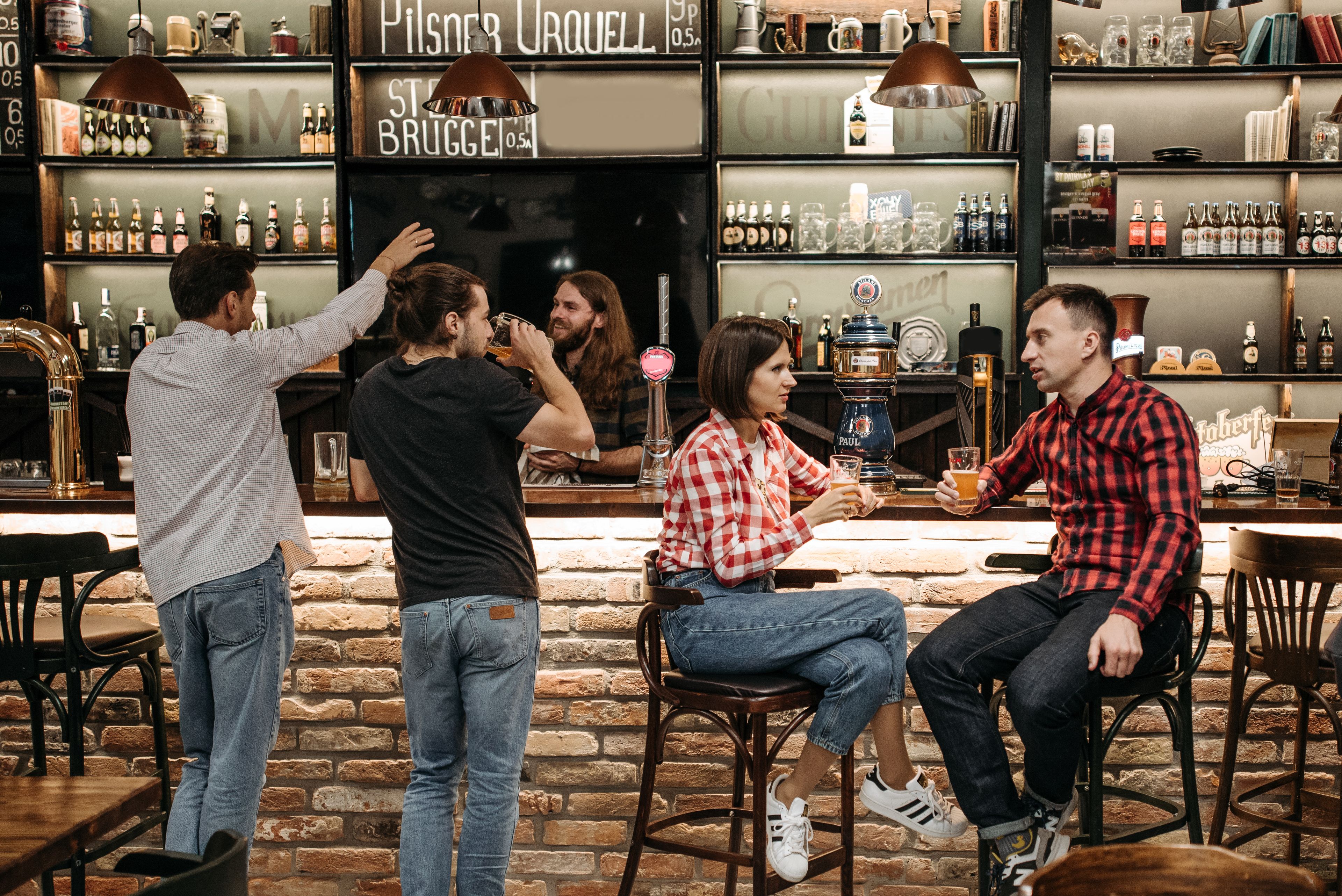
Not unless you drink a lot. A drink or two now and then is unlikely to show up in your progress. Heavy nights are different: a dose equal to eight or nine drinks for a 176-lb (80-kg) man cut post-workout muscle protein synthesis by 24%, even with protein, and bigger doses disrupt sleep more. How much and how often decide the cost.
Does alcohol kill gains?
Occasional light drinking, no; regular heavy drinking, it can. The studies showing harm used about 1 to 1.5 grams of alcohol per kilogram of bodyweight—roughly six to nine US standard drinks for a 176-lb (80-kg) lifter.
One US standard drink is about 14 grams of pure alcohol: 12 oz of 5% beer, 5 oz of 12% wine, or 1.5 oz of 40% spirits, according to NIAAA. For an 80-kg person, 1 g/kg is 80 grams, or about 5.7 drinks; 1.5 g/kg is 120 grams, or about 8.6 drinks. That’s a useful scale for reading the findings below.
| Band | About how many drinks (80 kg) | What studies found |
|---|---|---|
| Low: ≤0.25 g/kg | About 1 | Overnight HRV-based recovery down ~9 percentage points (Pietilä et al., 2018) |
| Moderate: 0.25–0.75 g/kg | About 2–4 | Recovery down ~24 points (Pietilä et al., 2018); 0.6–0.7 g/kg after lifting did not delay 24-hour strength recovery (Haugvad et al., 2014) |
| High: >0.75 g/kg | About 5 or more | Recovery down ~39 points (Pietilä et al., 2018); 1 g/kg worsened strength loss after eccentric exercise (Barnes et al., 2010); 1.2–1.4 g/kg raised cortisol (Haugvad et al., 2014); 1.5 g/kg cut muscle protein synthesis 24% despite protein (Parr et al., 2014) |
If you want a broader framework for what matters most in a muscle-building diet, start with the dose and pattern rather than treating every drink the same.
What does a big night do to muscle building?
It blunts the muscle-building response. After a hard session, men who drank 1.5 g/kg—about 8.6 US standard drinks for an 80-kg lifter—built muscle protein 24% more slowly than with protein alone, even though they also had protein. With carbohydrate instead of protein, the drop was 37% (Parr et al., 2014).
That study involved eight physically active men who lifted and cycled, then had 25 grams of whey immediately after exercise and again four hours later. Alcohol was consumed starting one hour after training, over three hours. Muscle protein synthesis still rose above resting levels in every condition—about 29% to 109%—so “kills” is too strong. “Taxes” is more accurate.
A review of 12 studies found that alcohol after resistance exercise was associated with higher cortisol and lower testosterone, plasma amino acids, and muscle protein synthesis (Lakićević et al., 2019). That does not mean a single hormone change determines your growth, but it supports keeping heavy drinking away from the work you want to adapt to. For context, whether post-workout protein timing matters is a separate question from how a large alcohol dose affects the response.
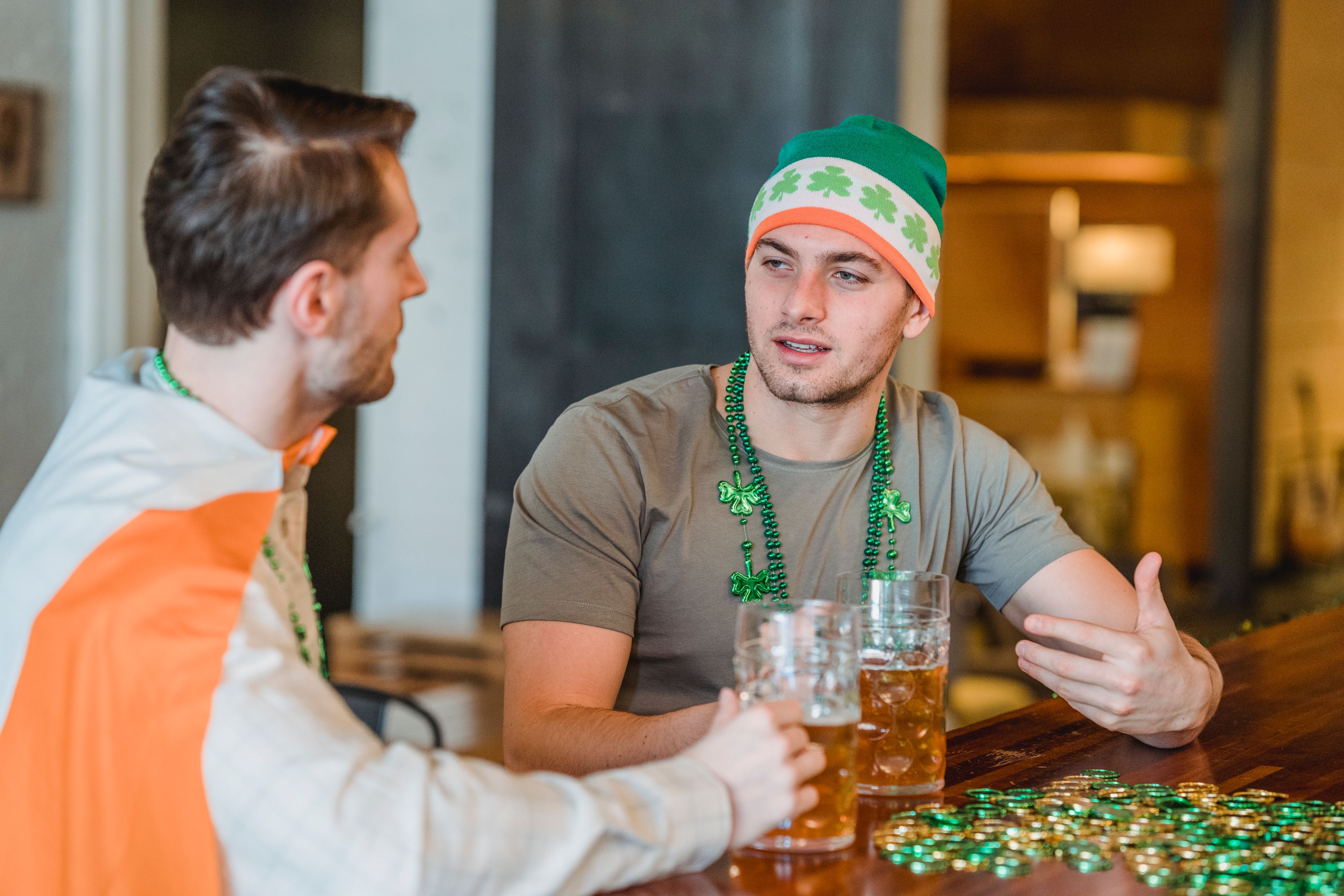
Does a drink or two after training hurt recovery?
Probably not much. In a study of trained lifters, both lower and higher doses after training left strength and jump recovery intact at 24 hours. But after very damaging eccentric exercise, 1 g/kg—about 5.7 US standard drinks for an 80-kg person—made strength losses clearly worse.
In the trained-lifter study, nine recreationally trained people drank 0.6–0.7 g/kg (about 3.4–4 drinks) or 1.2–1.4 g/kg (about 6.9–8 drinks) after lifting. Strength, electrically stimulated force, and squat-jump performance had recovered at 24 hours, though the higher dose raised cortisol and lowered the free-testosterone-to-cortisol ratio (Haugvad et al., 2014).
The damaging-exercise study used 300 maximal eccentric quadriceps contractions. At 36 hours, isometric strength was down 34% after 1 g/kg, compared with 12% without alcohol; other strength measures also showed greater losses (Barnes et al., 2010). The harder and less familiar the session, the more a big dose can cost. A separate moderate-alcohol result came from mice with surgically overloaded muscles, so it does not establish what happens in lifters (Steiner et al., 2015).
How does alcohol affect sleep and recovery?
It makes sleep less restorative in a dose-dependent way. In observational data from 4,098 people, heart-rate-based recovery in the first hours of sleep fell by about 9, 24, and 39 percentage points after low, moderate, and high alcohol intake, respectively (Pietilä et al., 2018).
The study grouped intake as low at 0.25 g/kg or less, moderate above 0.25 through 0.75 g/kg, and high above 0.75 g/kg. For an 80-kg lifter, those bands work out to about one drink, two to four drinks, and five or more. These were real-world wearable recordings, not a controlled training trial.
Sleep is one of your main recovery levers. The cost of a big night may show up in the next day or two as poor readiness or flat sessions rather than a direct, obvious change in muscle. See muscle recovery and when it limits growth for the wider picture.

How can you drink without losing progress?
Keep drinking nights small and away from your hardest sessions, eat your protein anyway, and count the calories. The goal isn’t zero alcohol; it’s keeping your weekly pattern from stealing sleep, sessions, and food quality.
- Keep most occasions in the low band: about one drink for a 176-lb (80-kg) person; save bigger nights for rare occasions.
- Avoid big nights right after heavy or unfamiliar sessions, and the night before a key training day.
- Eat your usual protein. In the high-dose study, protein softened the drop: 24% versus 37% with carbs. See how much protein you need to build muscle.
- Count the energy: an average drink carries 100–150 calories, so three can add 300 or more (Harvard T.H. Chan School of Public Health).
For adults who drink, the CDC defines moderate drinking as two drinks or fewer a day for men and one or fewer for women (CDC).
Drinking moderately and still stuck — what then?
Then alcohol is probably not your main bottleneck. Moderate drinkers who stall usually have something else first: effort, progression, total food, protein, or sleep. Knowing which one is first saves months of guessing; see the most common reasons muscle stops coming.
Check the basics in this order:
- Are your lifts or reps progressing over time?
- Are your hard sets challenging enough, and are you eating enough total food and protein?
- Is sleep consistent enough to support training?
If your drinking is moderate and your progress still isn’t, something else is likely first. See what’s actually slowing your progress with a quick, no-judgment check of training, food, sleep, stress, and habits like drinking, then prioritize what to fix.
FAQ
Will I gain more muscle if I quit drinking?
If you drink heavily or often, probably—mostly through better sleep, better sessions, and fewer empty calories. If you have a drink or two occasionally, quitting is unlikely to change much. Studies showing muscle-building harm used large doses, around 1–1.5 g/kg (Parr et al., 2014).
Can you drink alcohol and still be ripped?
Yes, if the calories fit. An average drink carries about 100–150 calories, so three a day adds 300 or more (Harvard Nutrition Source). Lean lifters who drink keep it occasional and account for it, since those calories add up during a cut.
Is one beer after a workout bad?
Not in any way research has detected. After lifting, even moderate doses of 0.6–0.7 g/kg—about 3.4–4 US standard drinks for an 80-kg person—didn’t delay 24-hour strength recovery (Haugvad et al., 2014). One beer is well below that for most adults; eat your usual protein meal alongside it.
What kills muscle gains the most?
Usually not alcohol. Common gain-killers include training that never progresses, sets that stop too far from failure, too little food or protein, and short sleep. Heavy, frequent drinking matters mainly because it can worsen sleep, sessions, and food quality.
Written and maintained by LiftDecode. Training and nutrition education for healthy adults, not medical advice — if you have a health condition or an injury, talk to a professional who can examine you.